01
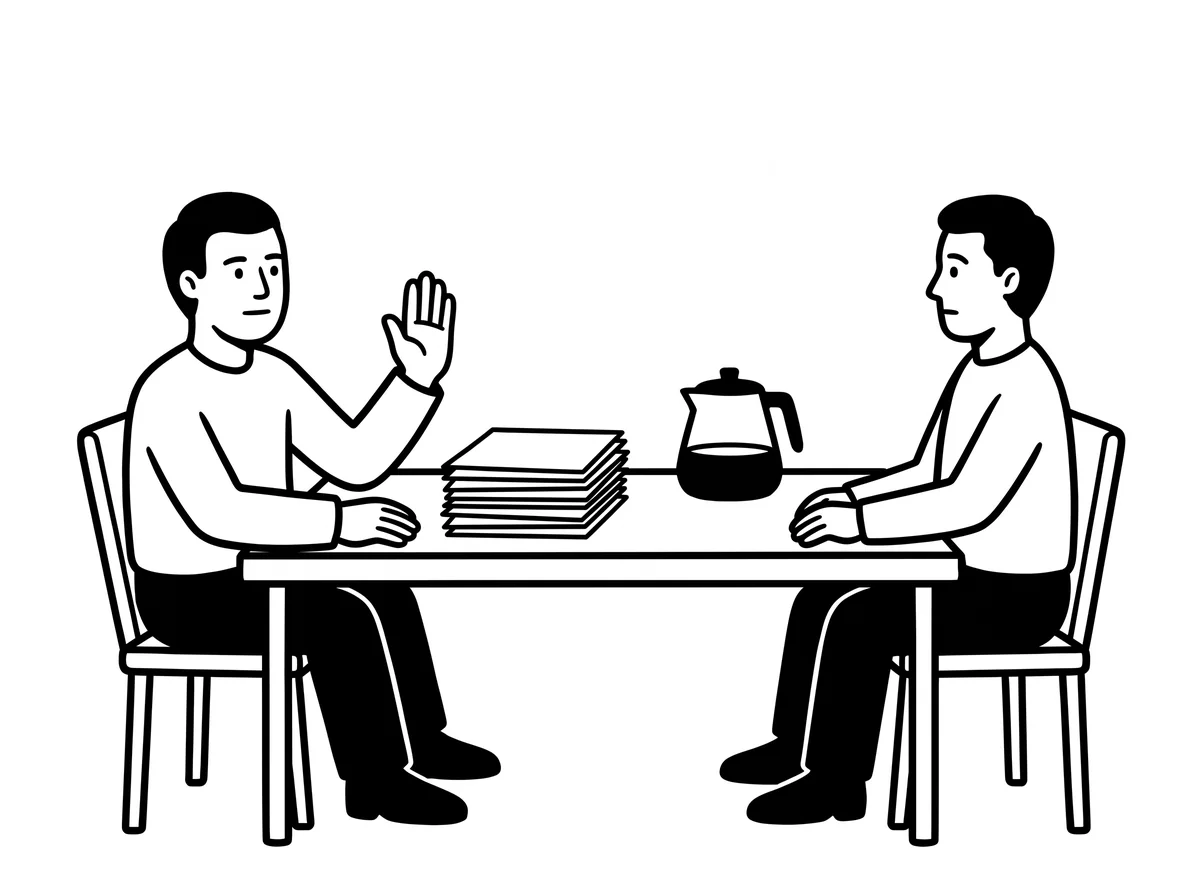
Every rule has a source.
No system of ours decides anything that does not lead back to a document, a clause or an approval.
In practiceIn a commission rulebook, every rule leads back to a citable contract clause, and is secured with tests.
Company
Every rule has a source. What we cannot prove, we do not claim.
Anyone who assembles AI from ready-made building blocks cannot answer that question. They do not know themselves why the system decided what it decided. For a managing director who has to answer for every number, that is not a tool but a risk.
That is why we build differently: every rule leads back to a source, every decision can be traced, and where the rulebook is not certain, the system does not calculate, it presents the case. That is not a philosophy, it is built into what we have delivered.
Four rules built into every system we deliver.
01
No system of ours decides anything that does not lead back to a document, a clause or an approval.
In practiceIn a commission rulebook, every rule leads back to a citable contract clause, and is secured with tests.
02
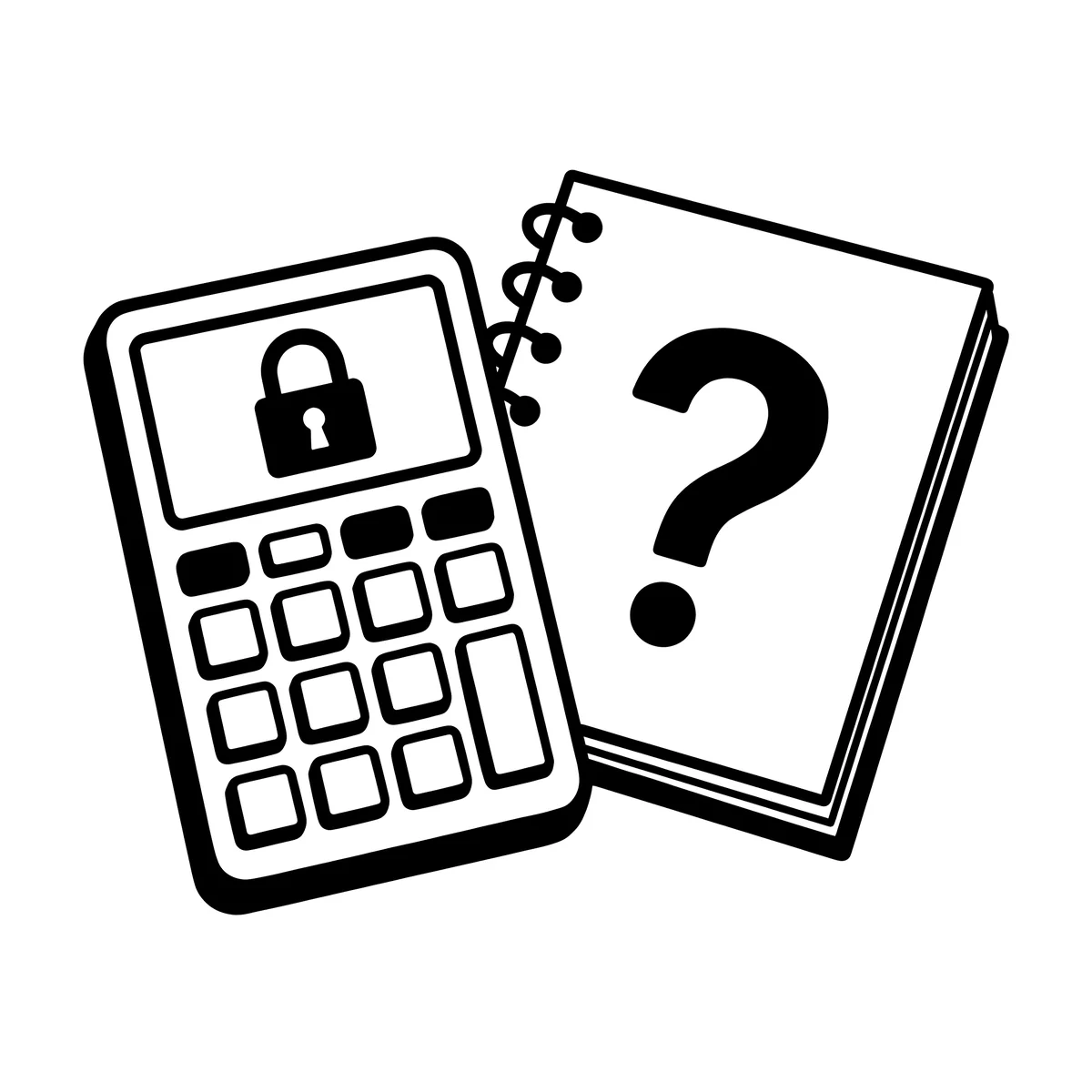
Where the basis is missing, the system does not calculate. A blocked value is better than a wrong one.
In practicePositions for which the rulebook is not secured are blocked. The engine refuses the calculation instead of guessing.
03
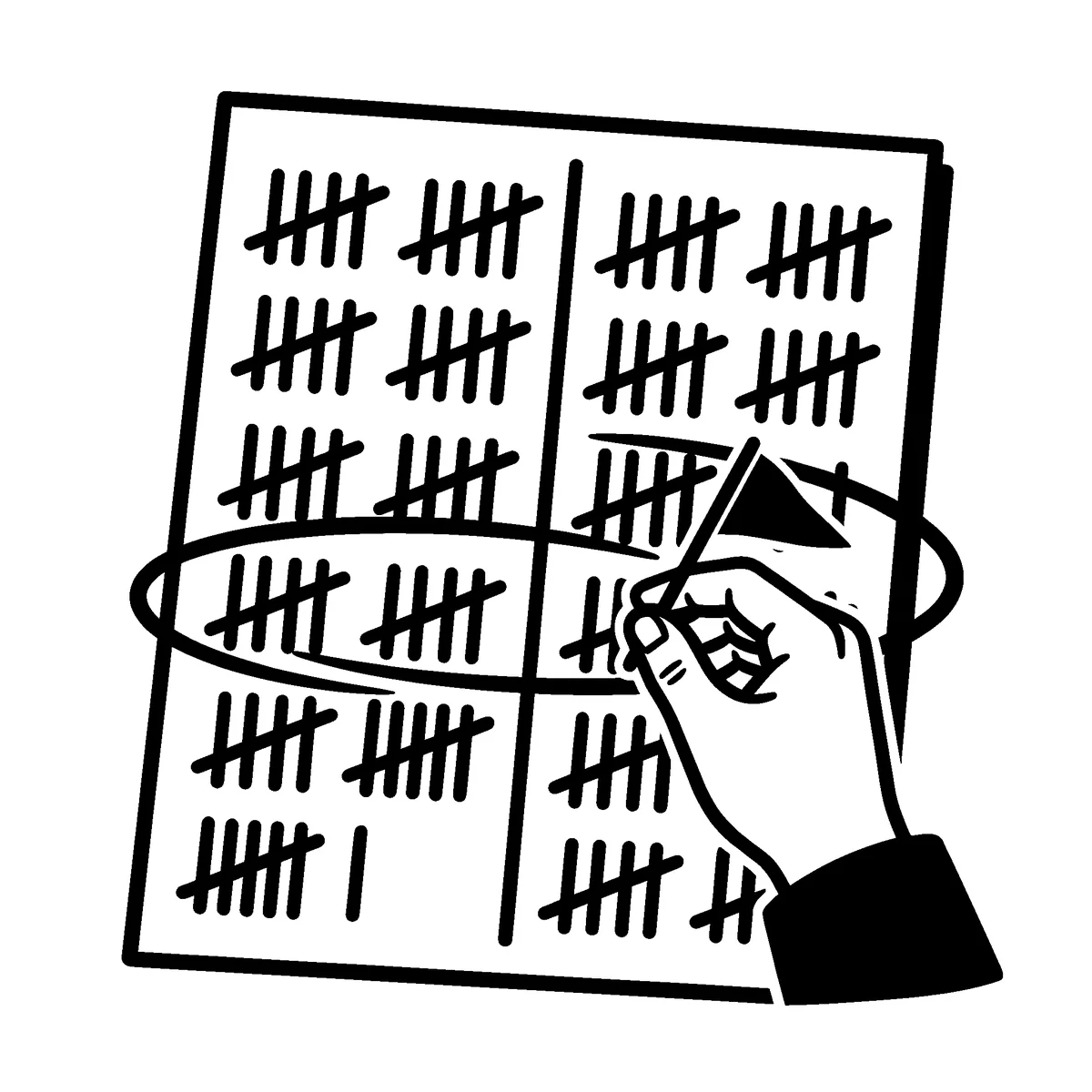
Discrepancies land on a person's desk. They are never smoothed over in the background.
In practiceA settlement system checks to the cent against official monthly figures and presents discrepancies for review instead of quietly merging them.
04
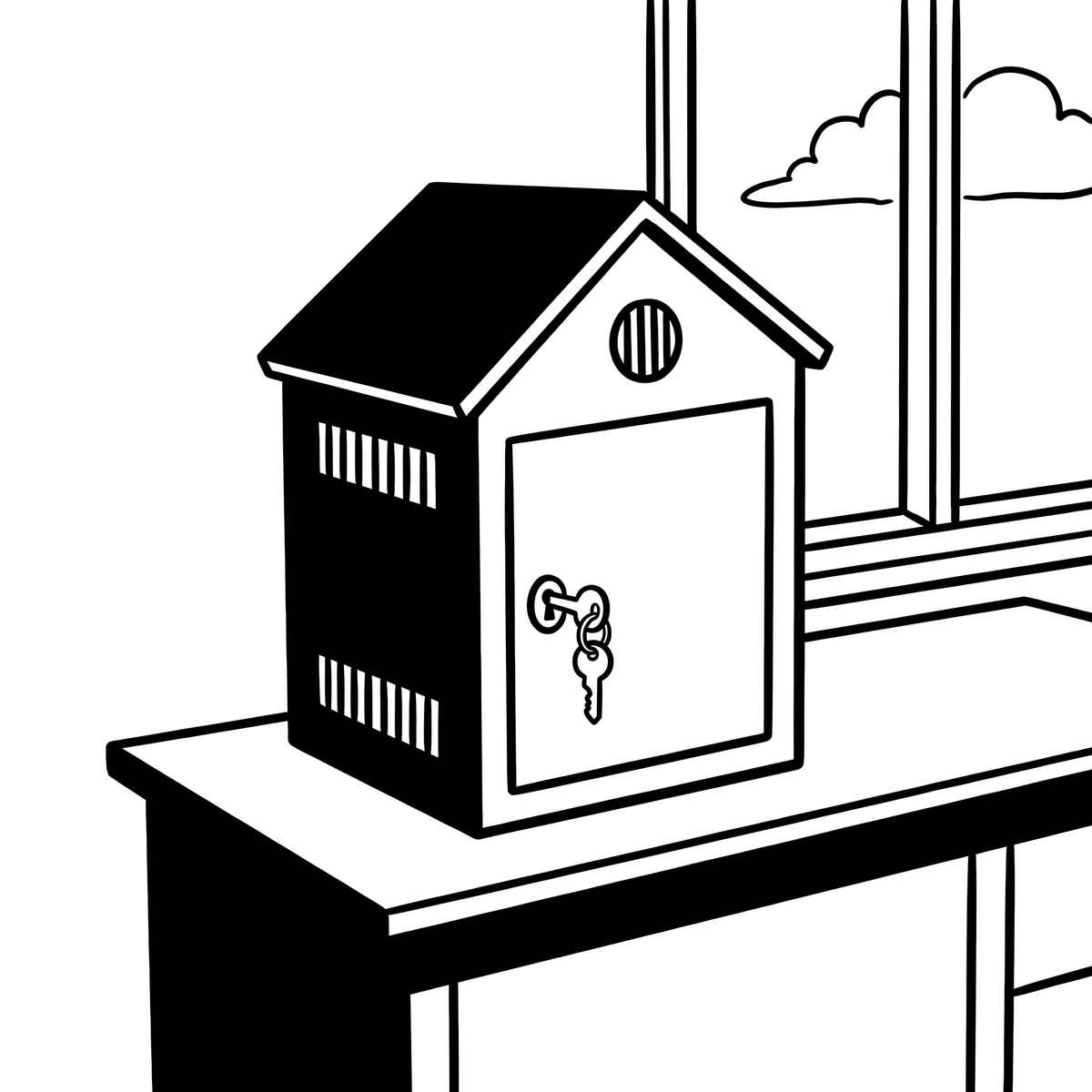
Where data stays and who sees it is a decision, not a default setting.
In practiceModels run on your infrastructure or in a European cloud with the keys in your hand. We decide that in the first step, not in an addendum.
TRACE
Five steps every project runs through, and that make it traceable why a system does what it does.
TTrace the process
Not the org chart, but the path an order, a file or a part really takes, together with the people who walk it. What counts gets measured: handovers, waiting times, rework.At the end you haveThe as-is process with the spots where it gets stuck.
RRules with sources
Every rule the system will later decide by gets its source: contract, instruction, approval. What has no source does not become a rule.At the end you haveThe rulebook with references, readable for the department and for management.
AAsk before assuming
The system is built to recognise edge cases and present them to a person. It does not guess, it blocks or asks. The approval steps are fixed before anything is built.At the end you haveA prototype with real data, in which your people have seen the exceptions themselves.
CControl stays with you
Where data lives, who has access, what gets logged: decisions in the first step, not in an addendum. Models run in-house or in Europe with your keys, every decision can be read back.At the end there runsThe system in operation, monitored, documented, with a way back.
EExtend step by step
Only when the first process holds up in daily work does the next one follow, on the same access, the same rules, with far less effort. That is how a foundation grows, not a patchwork.At the end you haveThe next step, honestly calculated, even if it says "not yet".
Tools we actually use, no partnerships, no certificates, no client list. We work with these things every day.

 Azure
Azure Google Cloud
 Anthropic
 n8n
n8n Databricks
 Supabase
 PostgreSQL
 Docker
 Kubernetes
 LangChain
Four sentences you hear often in our industry. We cross them out and say what we do instead.
Tell us what you are planning. We will tell you what will hold, what will not yet, and where we would start differently, without slides, without obligation.