COMPUTER
VISION.

Seeing what a thousand eyes overlook.

Cameras have long been in production, warehouse and goods receipt. Computer vision turns them into inspectors that do not get tired: they spot scratches and missing parts on the line, count pallets as they pass, read labels and delivery notes, in real time and with a log that proves every decision.

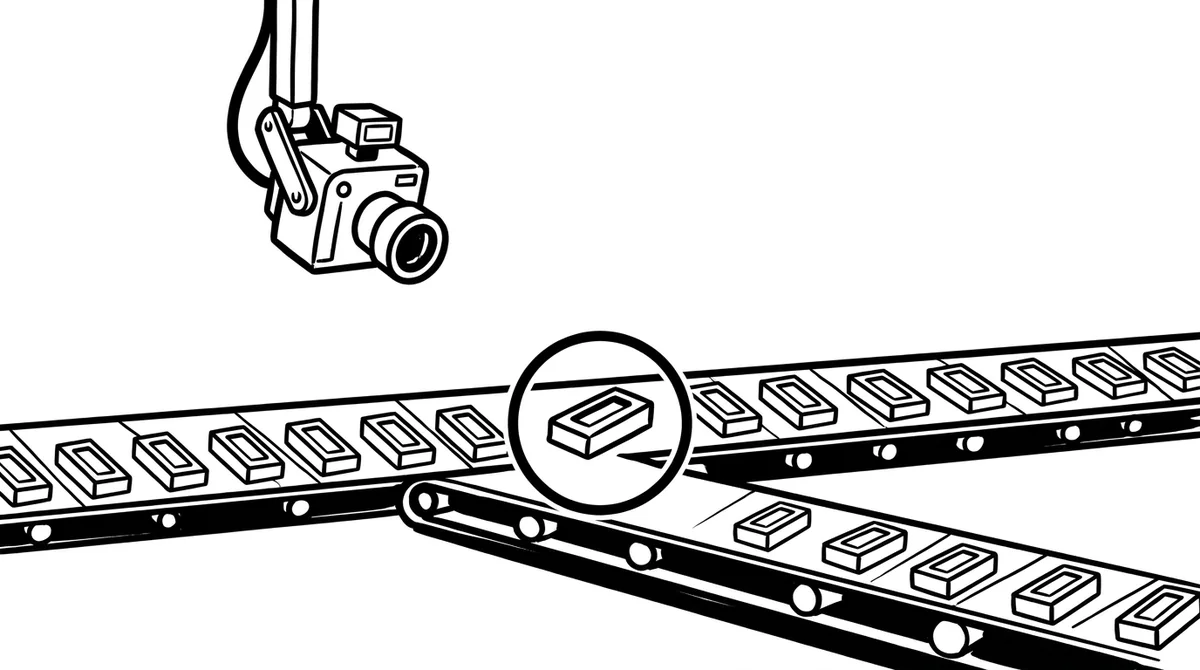
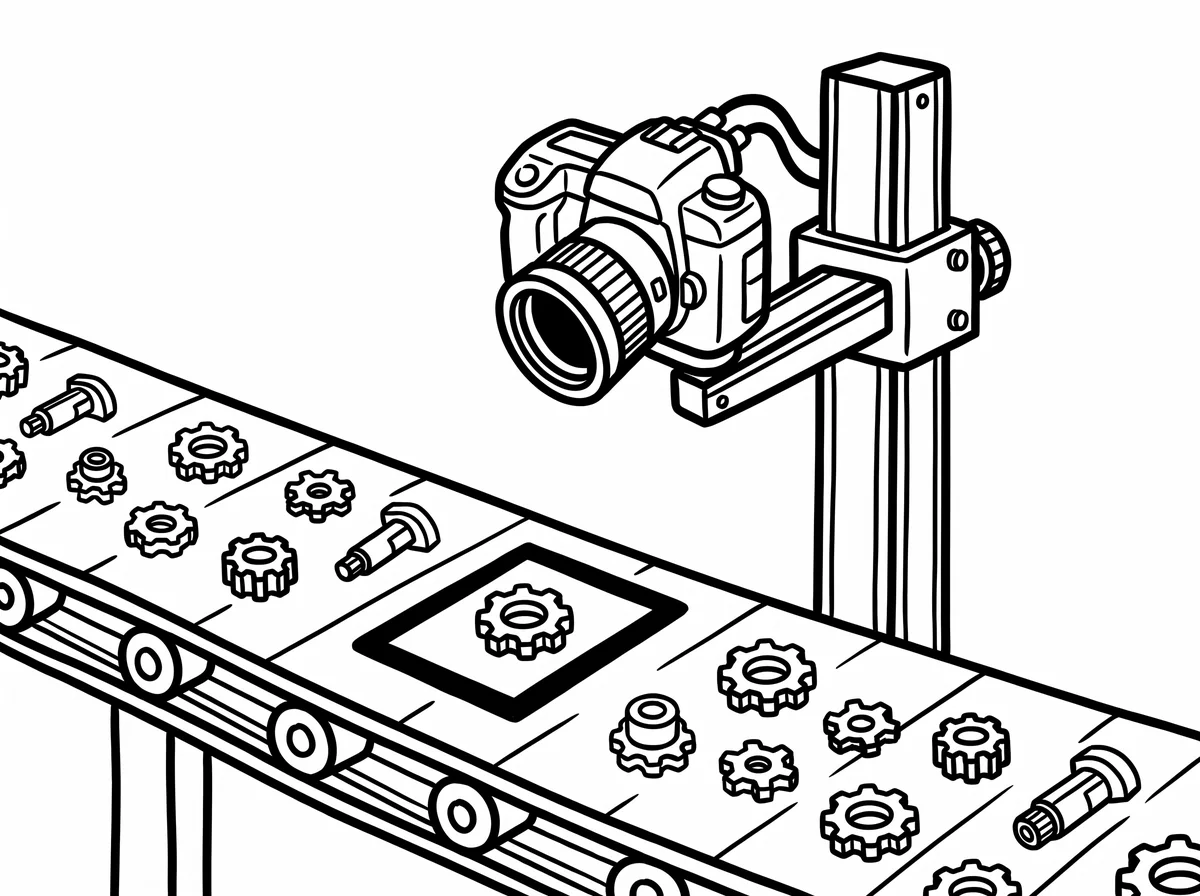
A camera above a conveyor belt with identical parts, one part is circled

Where cameras take work off you.

Not every camera needs AI. But wherever people spend hours looking, counting or typing today, it is worth a look.

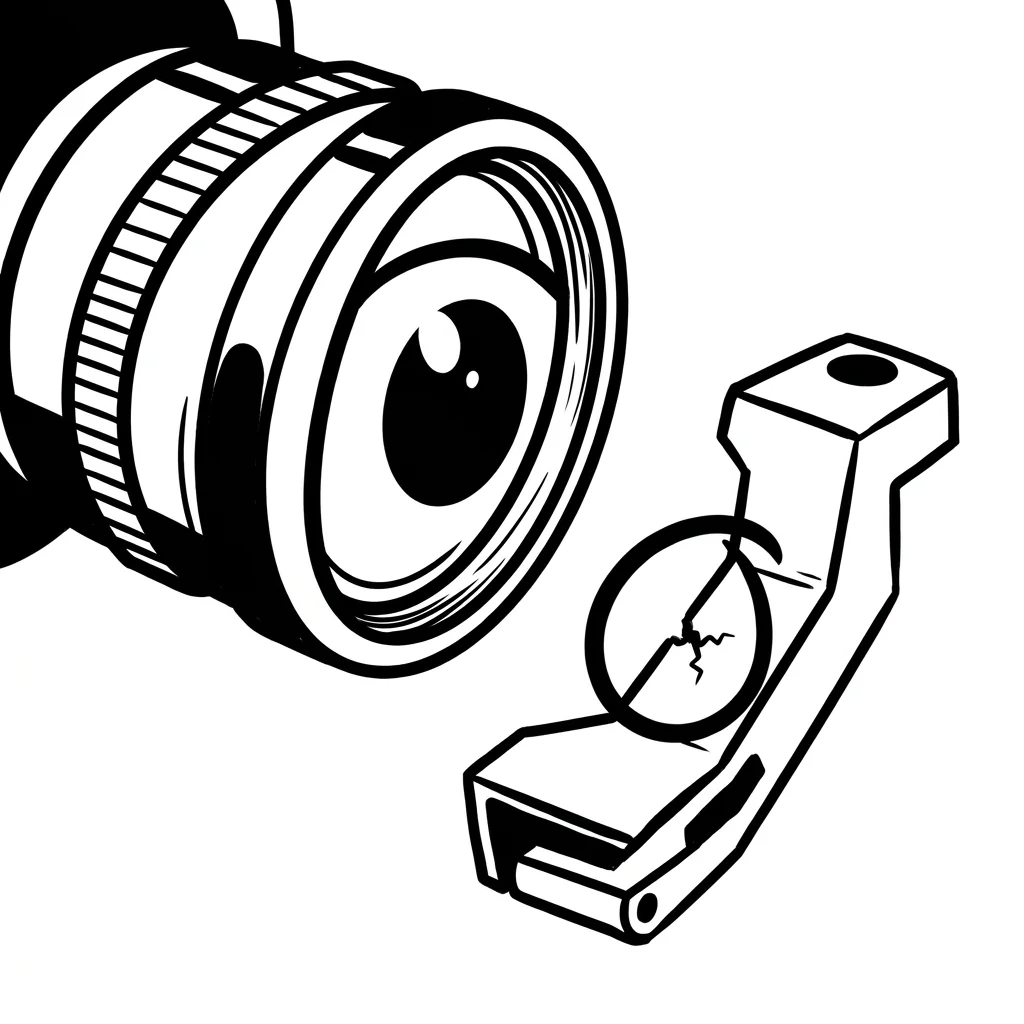
A camera eye looks at a component, a tiny crack is highlighted

Inspect quality.

Scratches, missing parts, dimensional deviations, right on the line, on every part, not just the sample. Uncertain cases go to the inspector, everything else passes through.

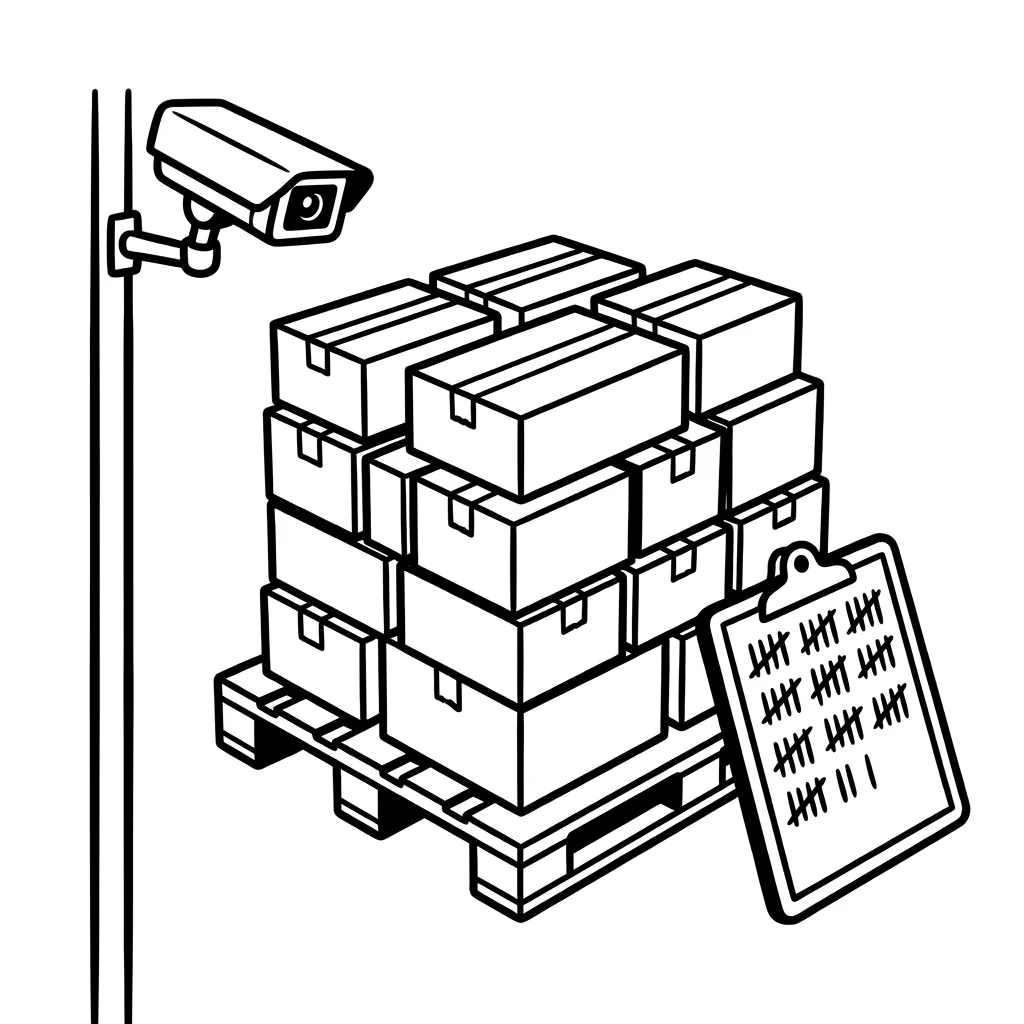
A camera counts boxes on a pallet with a tally

Count & track.

Pallets in goods receipt, components on the shelf, stock in the warehouse: counting as they pass instead of by hand, and the stock in the system matches the stock on the shelf.

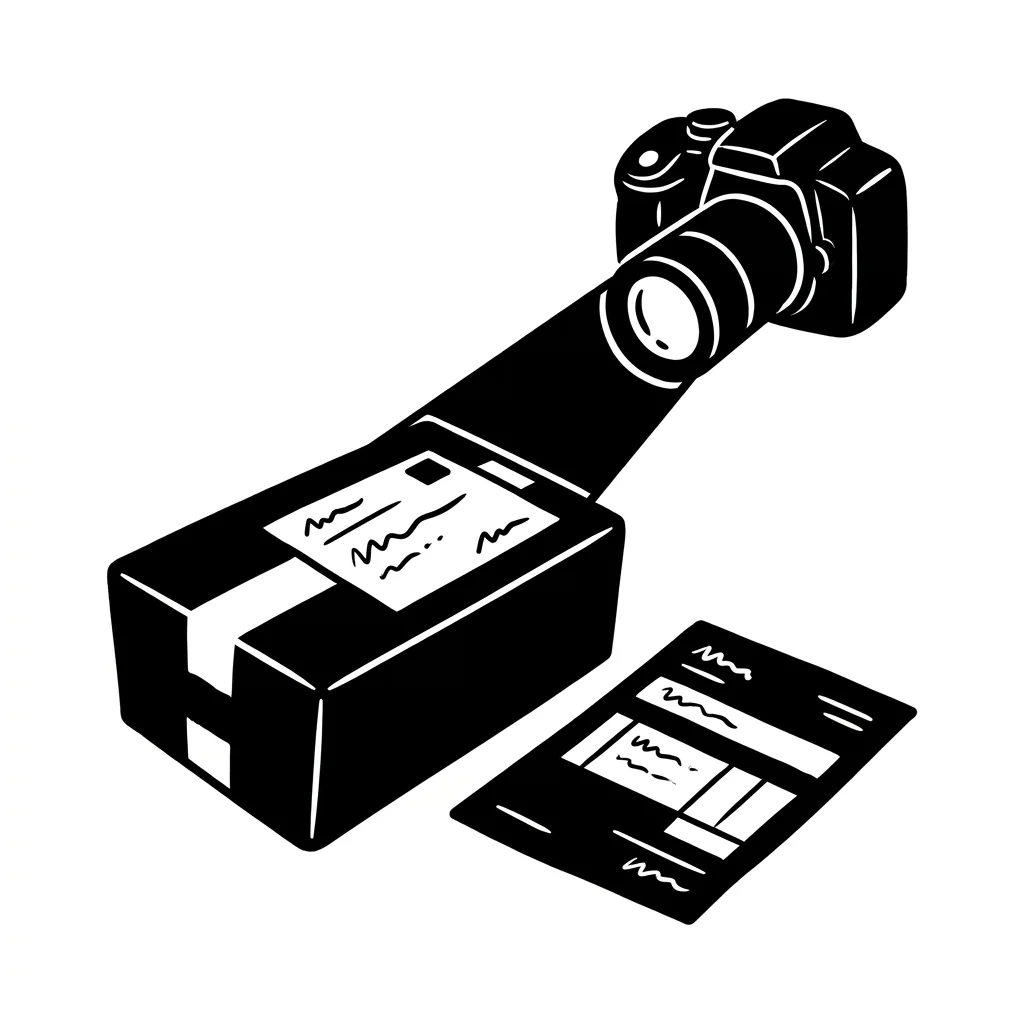
A camera reads a parcel label and a delivery note

Read & capture.

Labels, delivery notes, type plates, meter readings, handwritten too. What gets typed today lands directly in the ERP, with the image as evidence.

How a camera inspects.

Every part that passes through the image is compared with what the model learned from your good and bad parts. A match takes milliseconds, and every decision stays traceable with its image.

People decide the edge cases: What the model cannot classify with confidence is flagged and presented to the inspector. Their judgement flows back into training.

live · line 2 · cam 1inspection
4 ok · 1 defect → routed to inspector

How we proceed.

Three steps. Each ends with something you hold in your hands.

01

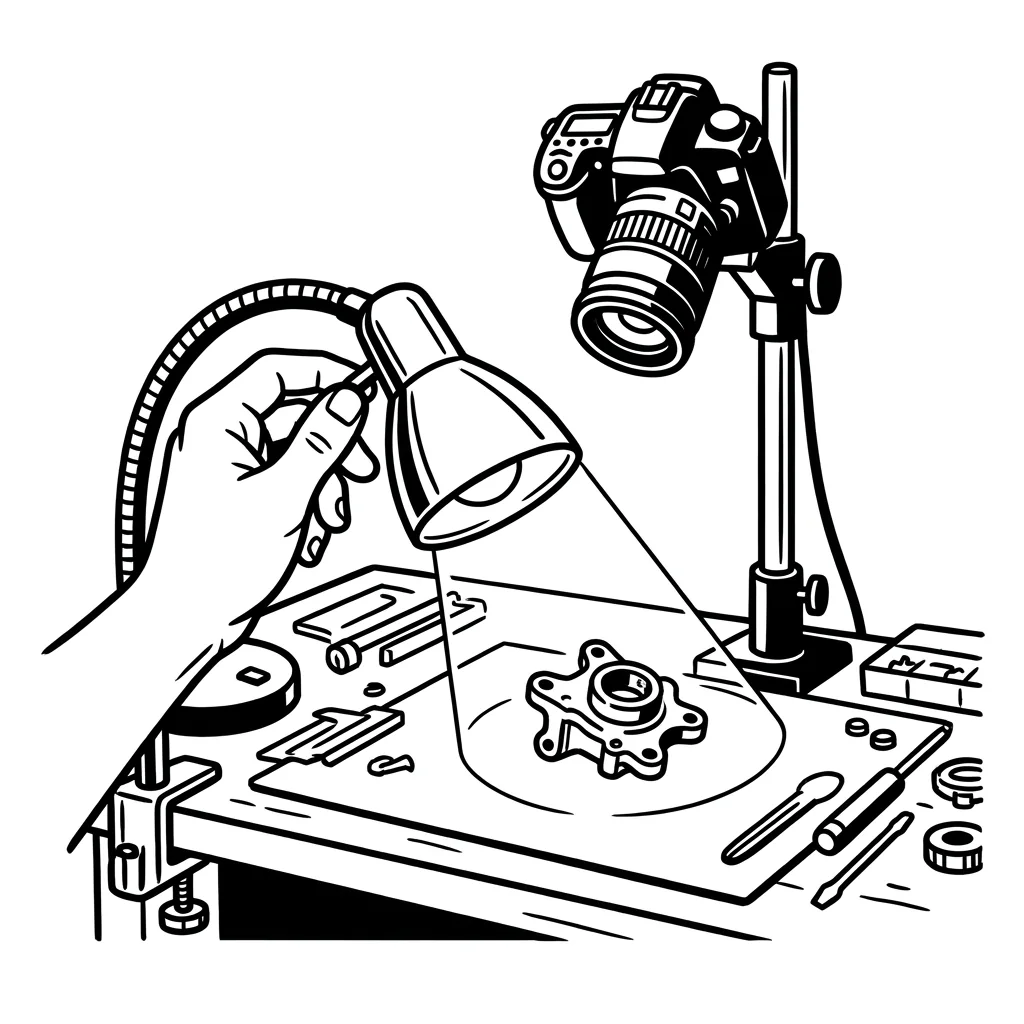
A person aligns a lamp over a component under a camera

At the end you haveThe inspection case with camera, light and sample images, and an honest assessment of what can be recognised.

Check the image situation.

Which cameras exist, what is the light like, what do good and bad parts look like? We collect first images right on the line and tell you before the project what the camera will reliably see, and what not.

02

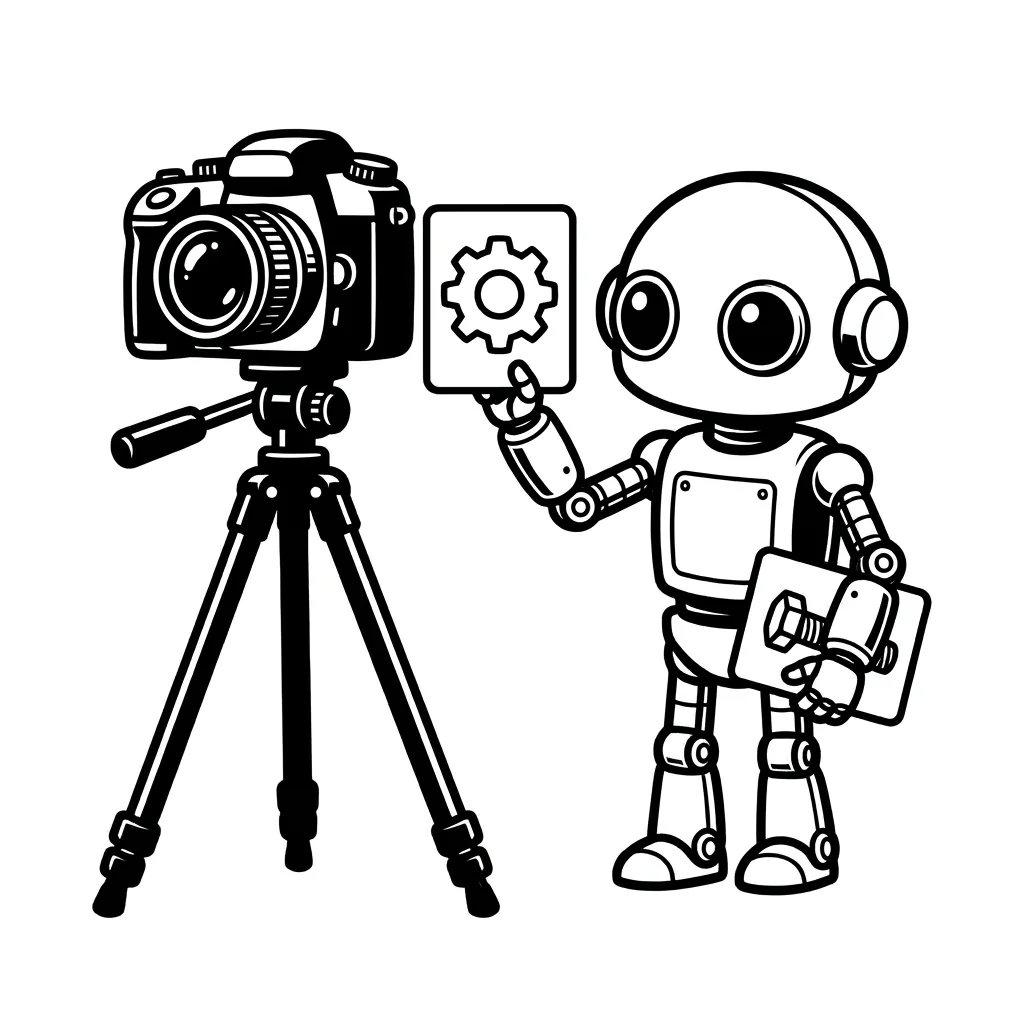
A robot shows a camera index cards with components

At the end there runsA model trained on your parts and your defect images, verified against real line images.

Train the model.

With your parts, your defect images and the judgement of your inspectors. We train, measure against real images and repeat until the model knows the edge cases, not just the easy ones.

03

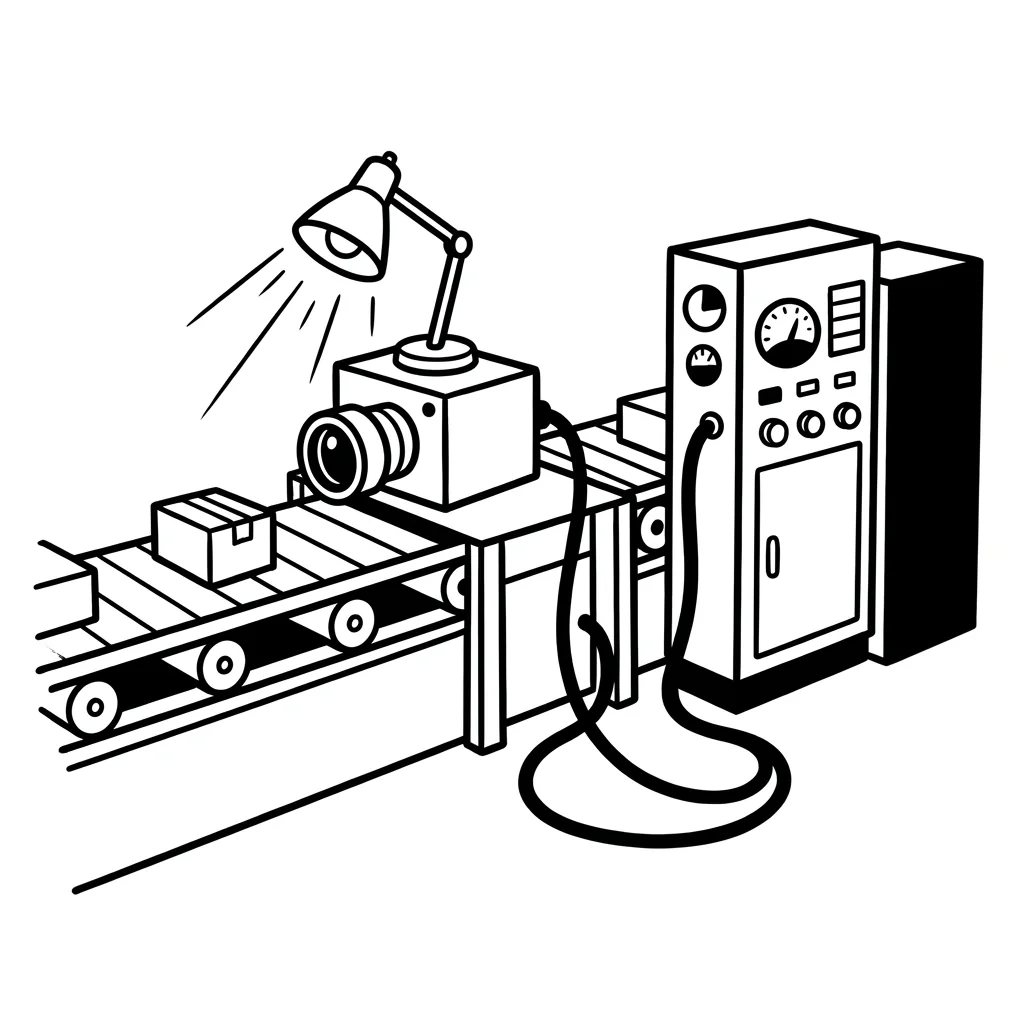
A small camera box next to a production line, a glowing lamp beside it

At the end there worksInspection on the line, with alarm, connection to control system and ERP, and ongoing relearning.

Operate on the line.

Edge box on the line, connection to control system and ERP, alarm and log. The model keeps learning from the inspectors' judgements, and we stay until it runs stably in shift operation.

Runs in the plant, not in the cloud.

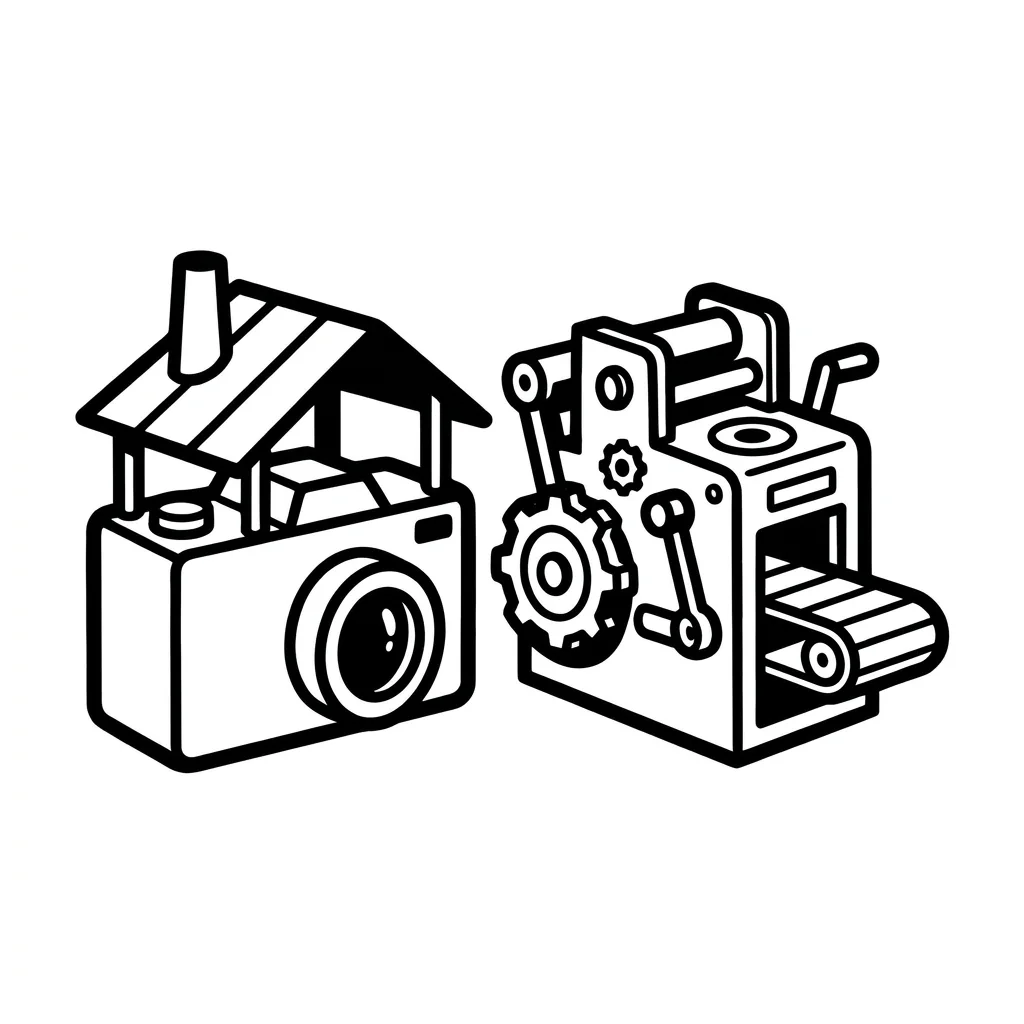
A camera box with a small factory roof above it

Even without internet.

Evaluation runs on a box right on the line. Images do not leave the plant, and the inspection keeps running even when the line to the outside is down.

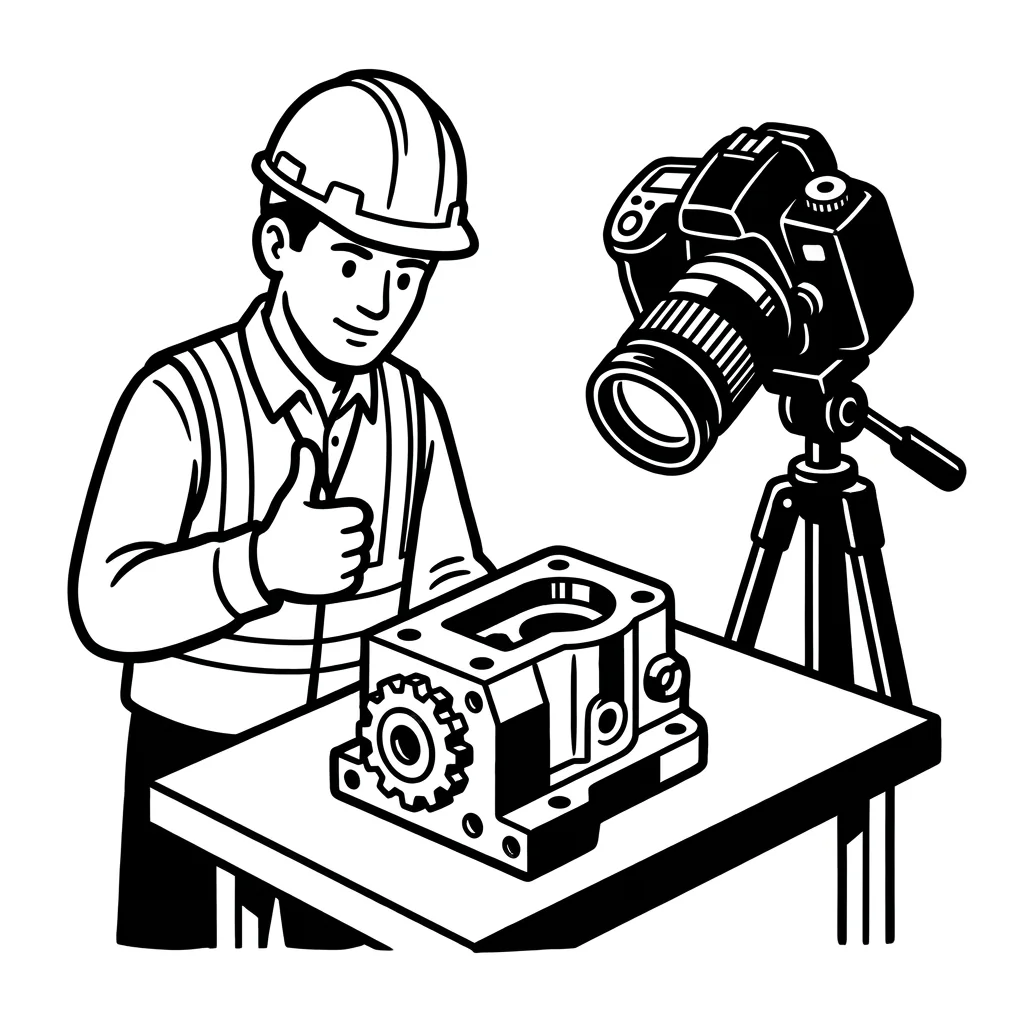
An inspector and a camera look at the same part, the inspector gives a thumbs up

People decide the edge cases.

What the model classifies with uncertainty is presented to the inspector, with image and reason. Their judgement improves the model, and no one has to trust a black box.

What should the camera see?

Do not send us a specification. Tell us where someone spends hours looking today.

FAQ.

Do we need new cameras?

Often not. Many inspection cases run with existing industrial cameras or simple hardware. What matters is light and perspective, and we settle that on your line before the project, not at the desk.

How many sample images does the model need?

Far fewer than many expect, especially for clearly defined defect patterns. How many it takes for your parts we estimate after the first shots; the images are captured during running operation without holding up your production.

Does it work with changing light and dirt?

Yes, if you plan for it from the start: a lighting concept, shots from all shifts and defect images under real conditions. A model that only works under lab light is not one we build.

What about people in the picture?

Cameras are pointed at parts and processes, not at people. Where people can enter the picture, they are technically anonymised, and the works council and data protection sit at the table from the start.

How fast is an inspection?

Fast enough for the cycle of your line: evaluation runs on a box right on site, without a detour via the internet. The result is there before the part reaches the next station.