CLOUD.

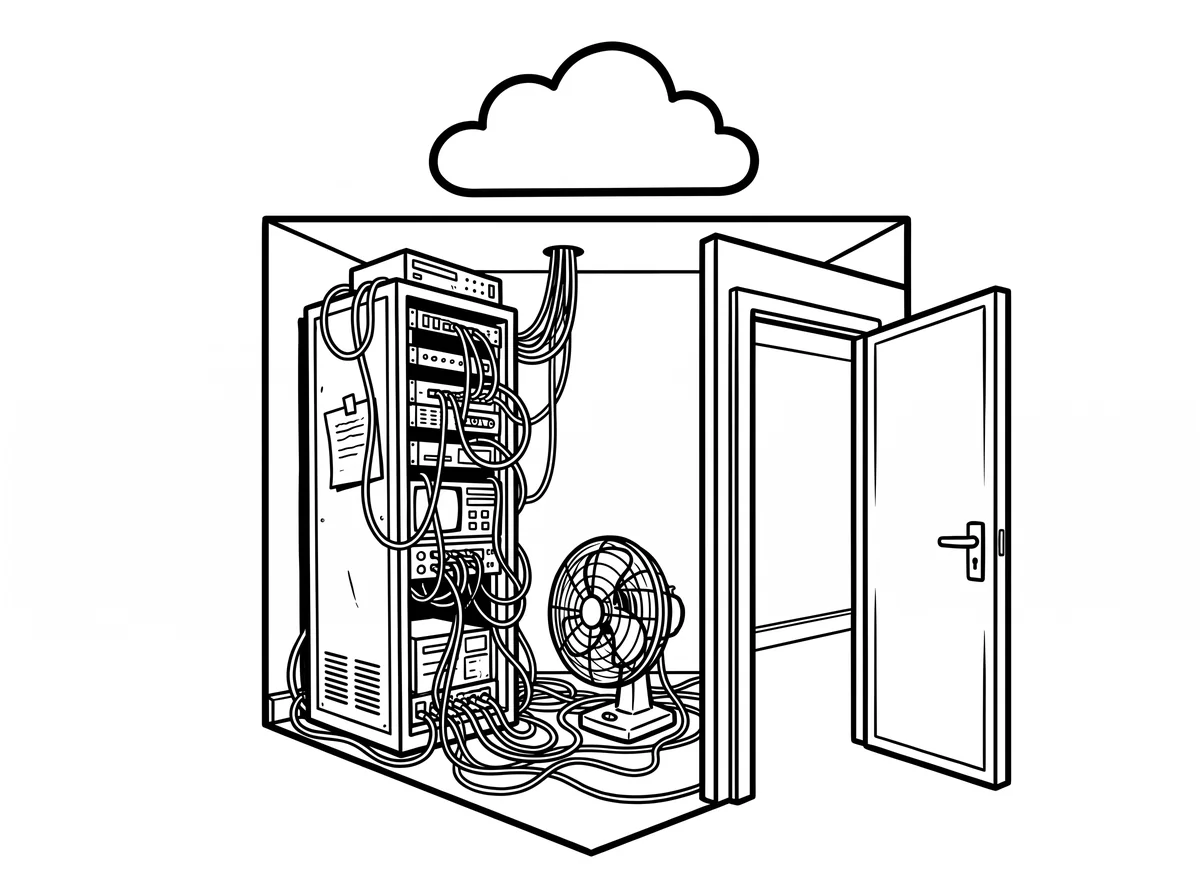
What is still running in your basement?

The server in the basement lasted a long time. Now new applications and AI need computing power that grows with you, security that someone maintains around the clock, and costs you can see. We move to the cloud what runs better there, and leave in-house what belongs there. No dogma, with a plan.

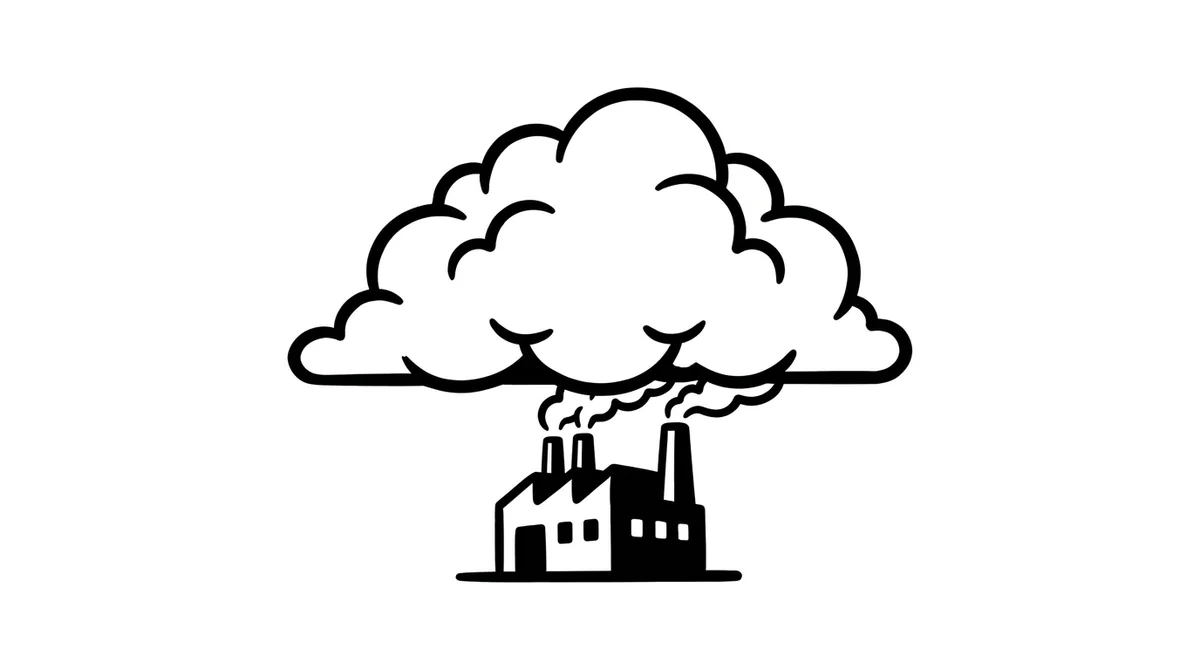
A small factory with a cloud docking onto its roof like a lid

What belongs in the cloud, and what does not.

Not everything has to move. But what moves should run better afterwards than before: faster, safer, cheaper to operate.

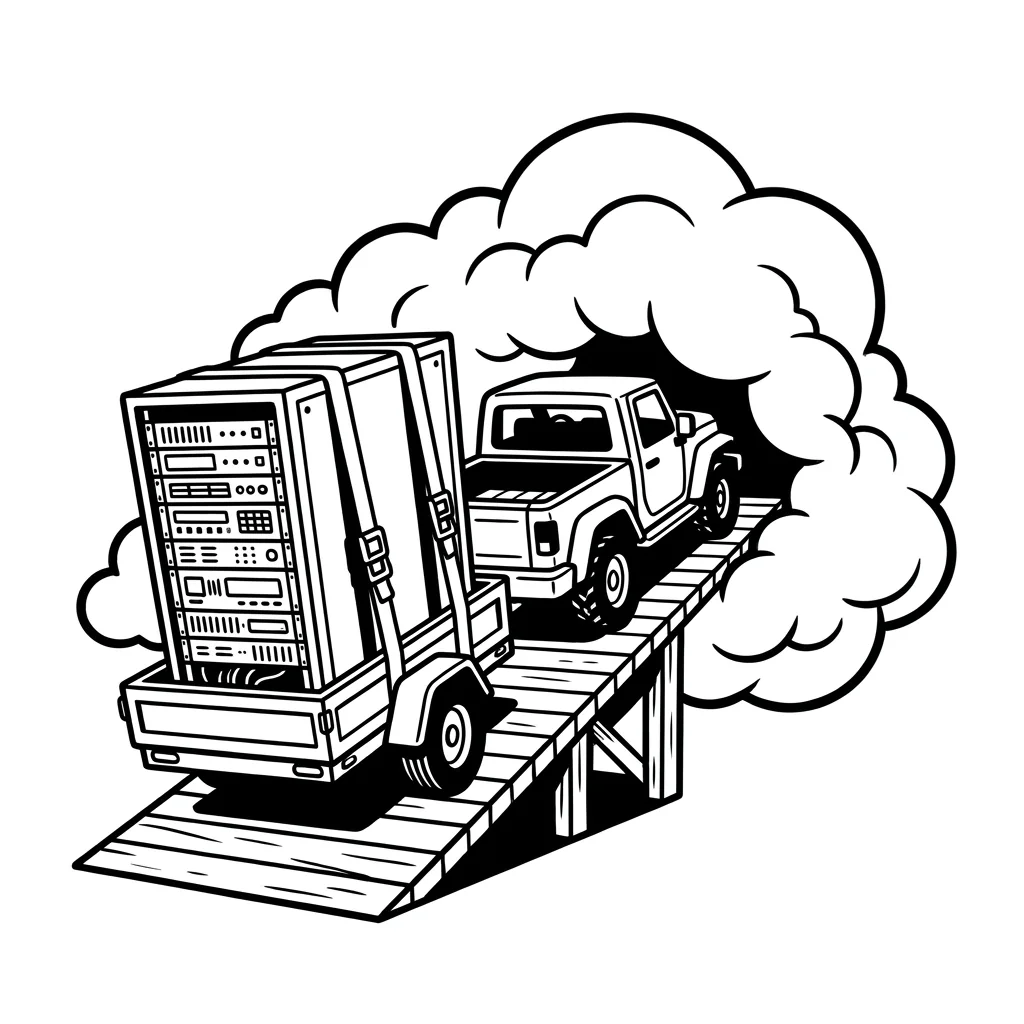
A server rack is pulled up a ramp on a trailer into a cloud

Infrastructure.

Servers, network, backup and access, at AWS, Azure, Google or a European provider. Built as code so that every environment is reproducible, not hand-knitted.

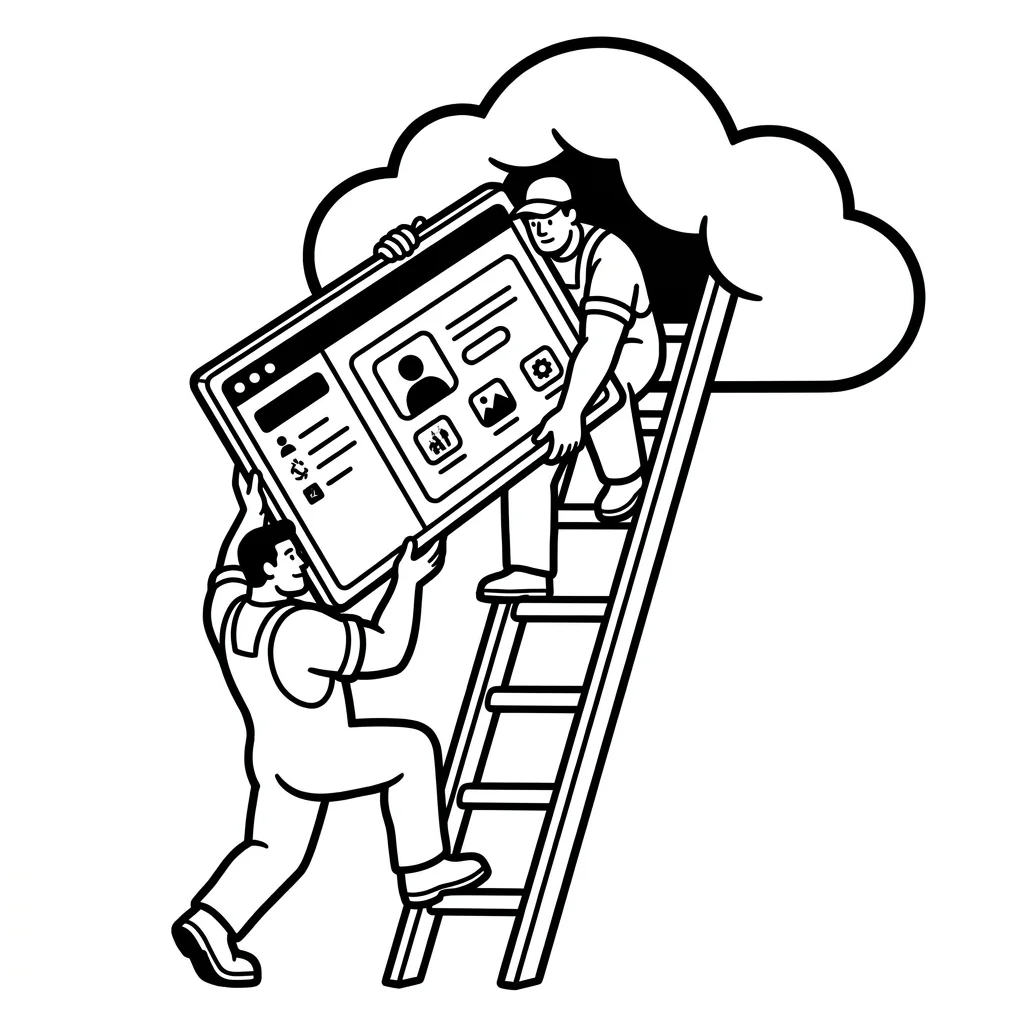
A moving crew carries an application window up a ladder into a cloud

Applications.

Migrate existing applications, build new ones cloud-native: in containers, with automatic deployments and without weekend maintenance windows.

A robot plugs a cable into a socket that sits in a cloud

AI workloads.

Computing power for models and agents on demand, with data that stays encrypted and bound to a region, and costs that are visible per use case.

Grows with you. Shrinks with you.

In your own data centre you buy for the peak and pay for it all year. In the cloud, what is needed right now is what runs. Load follows demand, not the peak.

The catch: Whoever does not measure still pays for idle time. That is why budgets, alarms and automatic shutdown are part of it from the start.

capacity · eu-central4 instances running

you pay for what runs · idle instances shut down automatically

How we proceed.

01

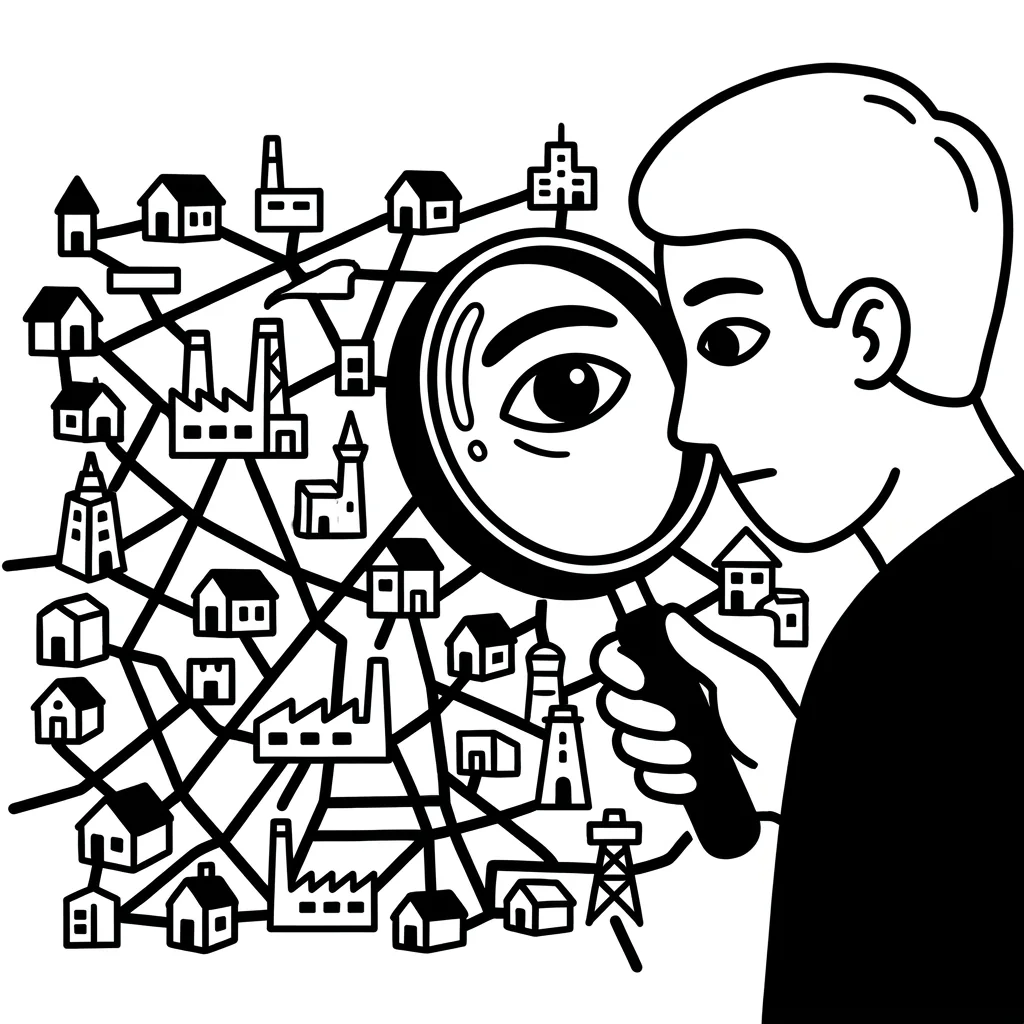
A person with a magnifying glass over a map of connected buildings

At the end you haveThe map of your applications and data, with dependencies, risks and what really costs money today.

Check the landscape.

Which applications run where, who depends on whom, what does operation really cost today? We look at your landscape before anyone talks about providers.

02

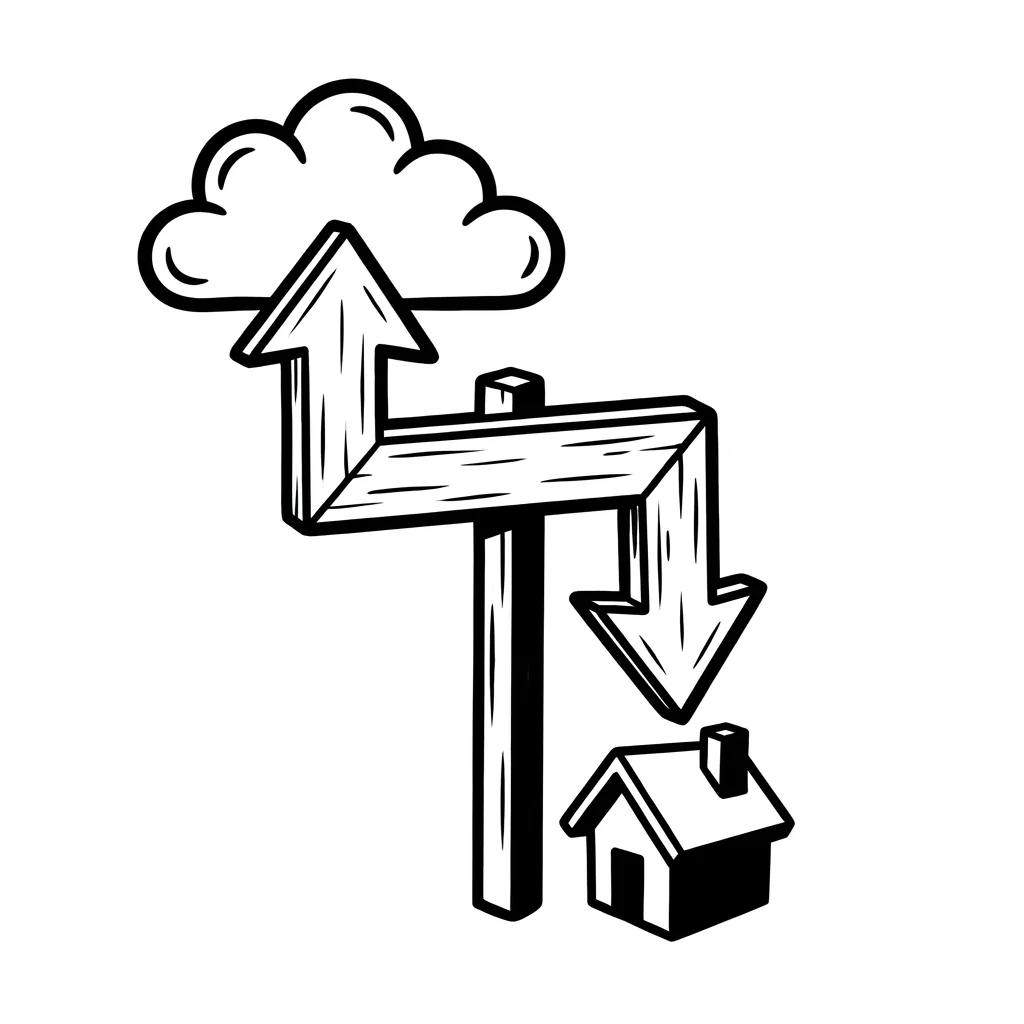
A signpost whose arrows point to a cloud and to a house

At the end you haveThe target picture with migration path: what goes where, in which order, and what deliberately stays in-house.

Target picture & path.

What moves, what stays, what gets replaced, and in which order so that operations never stop? Plus provider, region, security and a cost model that management understands.

03

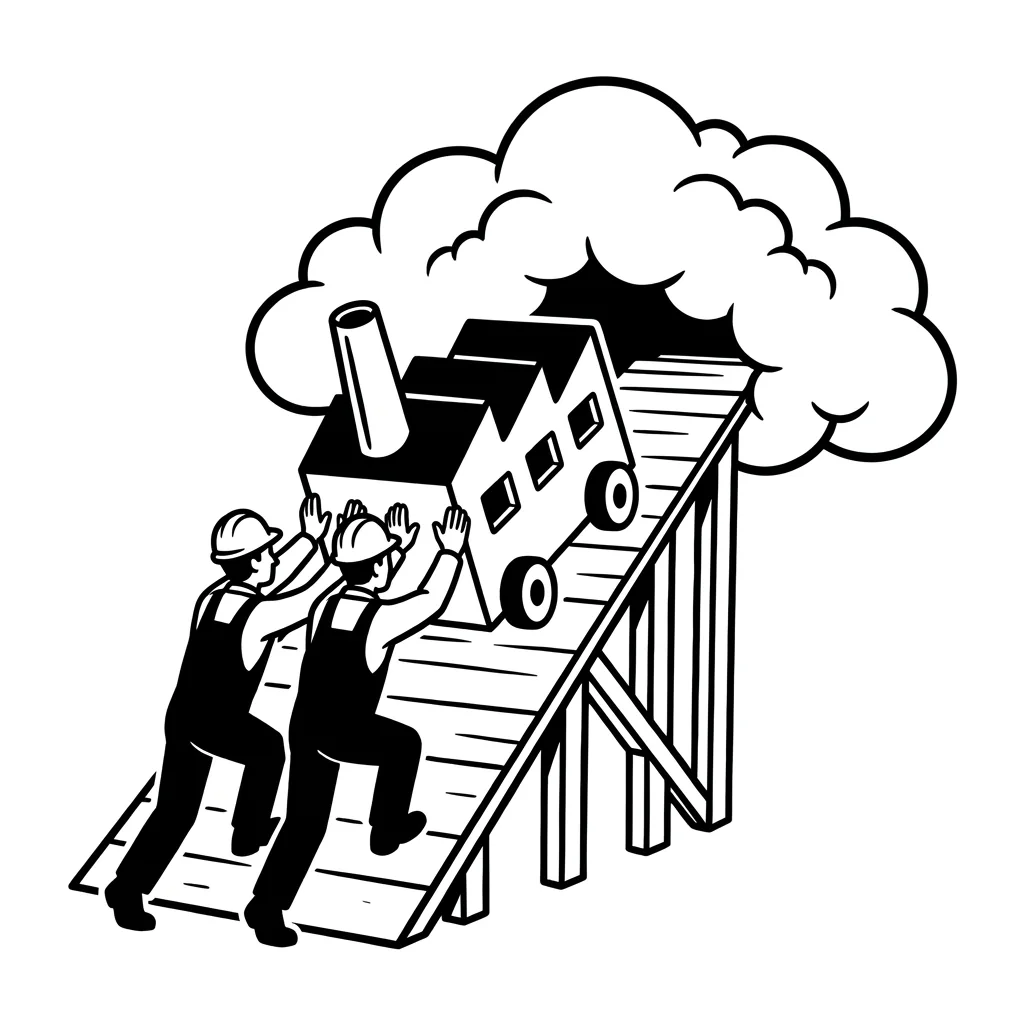
A small factory on wheels is pushed up a ramp into a cloud

At the end there runsYour landscape in the cloud, monitored, with budgets and alarms, and a team that can operate it.

Migrate & operate.

Step by step, application by application, with a way back in case something sticks. Then monitoring, cost control and handover to your team or to our operations.

In the cloud, and still master of the house.

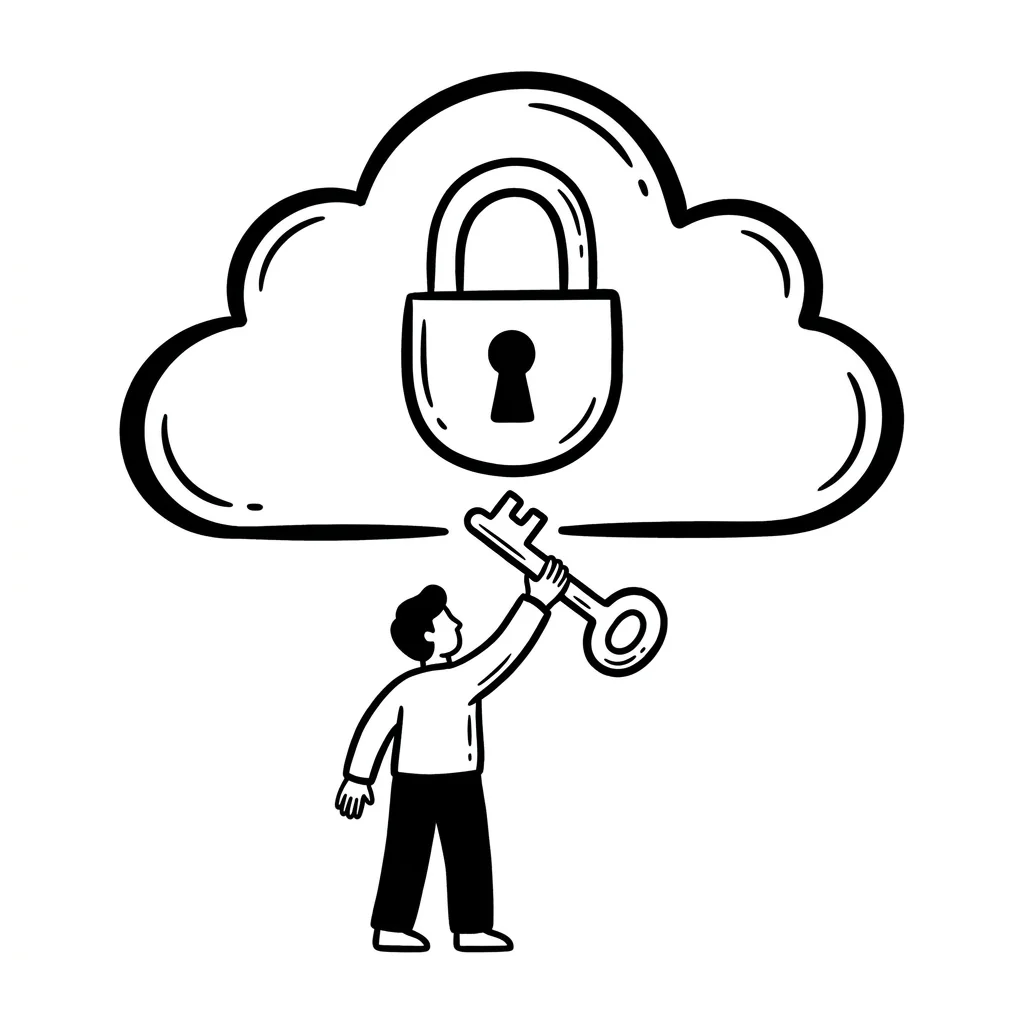
A cloud with a padlock, a person holds the key

Your data, your location, your key.

Region in Europe, encryption with keys that stay with you, and access rights you manage yourself. Who accesses what and when remains traceable.

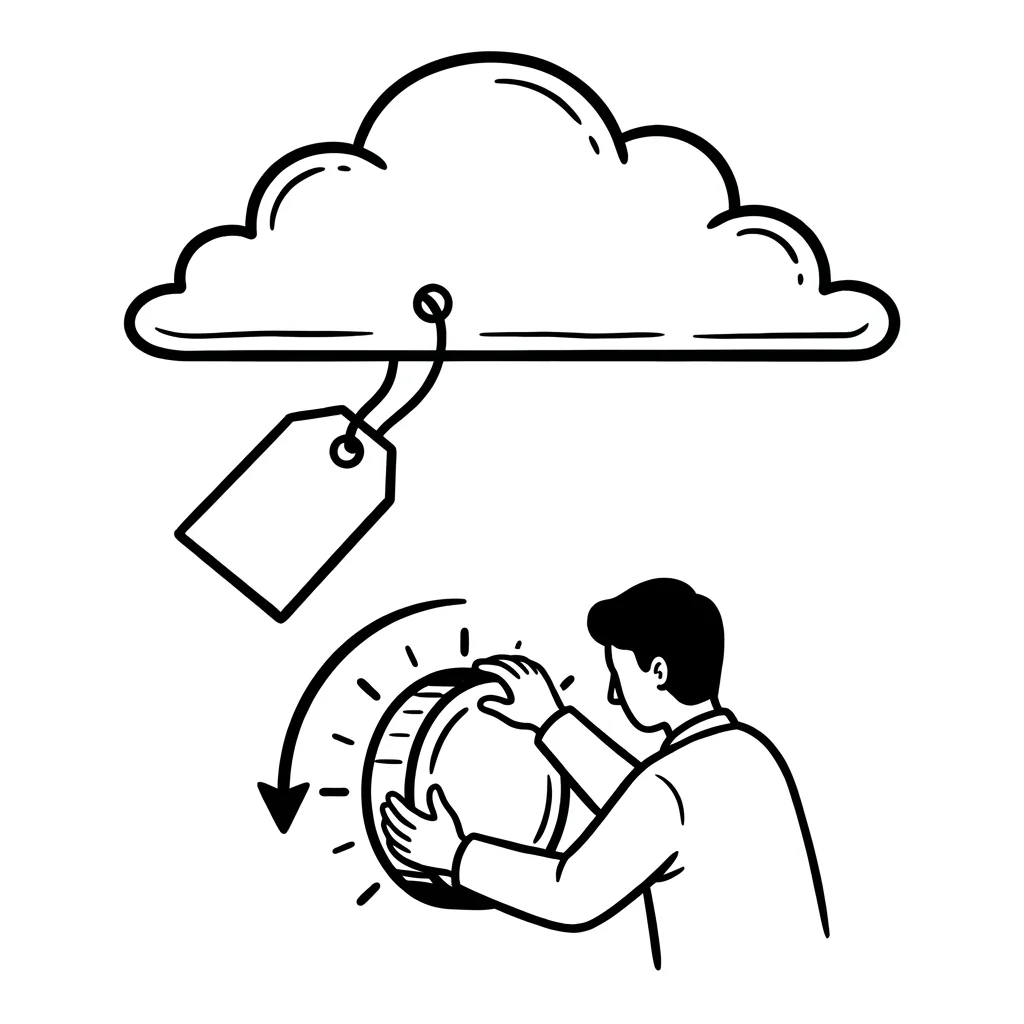
A cloud with a price tag, a person turns a dial down

Costs visible, not surprising.

Budgets per application, alarms on outliers, automatic shutdown of what is not needed. The bill at the end of the month surprises no one.

What is still sitting in your server room?

We calculate with your numbers, and say where the cloud does not get cheaper.

FAQ.

Public, private or hybrid, what suits us?

Your business decides that, not the provider. Many mid-sized companies run hybrid: sensitive systems and machine data stay in-house, everything that needs scaling or availability runs in the public cloud. We draw the line together, with traceable reasons.

Is the cloud secure enough for our customer data?

With a European region, encryption and keys in your hand, the cloud is usually better protected than a server room a colleague looks after on the side. What matters is the configuration, and we build it to stand up to auditors.

Is it worth it for a smaller company?

Especially then: you pay for what runs instead of for hardware that waits most of the time. And you get security, backup and updates that would otherwise need a dedicated position. We start with what makes the biggest difference.

What does the cloud cost compared with our own servers?

That depends on what you operate and how even the load is. We calculate it before the move with your real numbers, including the hidden costs of running it yourself, and say honestly where the cloud does not get cheaper.

Can we get out again?

Yes. We build with open standards, containers and infrastructure as code, so that changing provider or moving back in-house remains possible. The exit strategy is part of the target picture, not something for when things are on fire.