FAQ.
What distinguishes physical AI from a classic industrial robot?
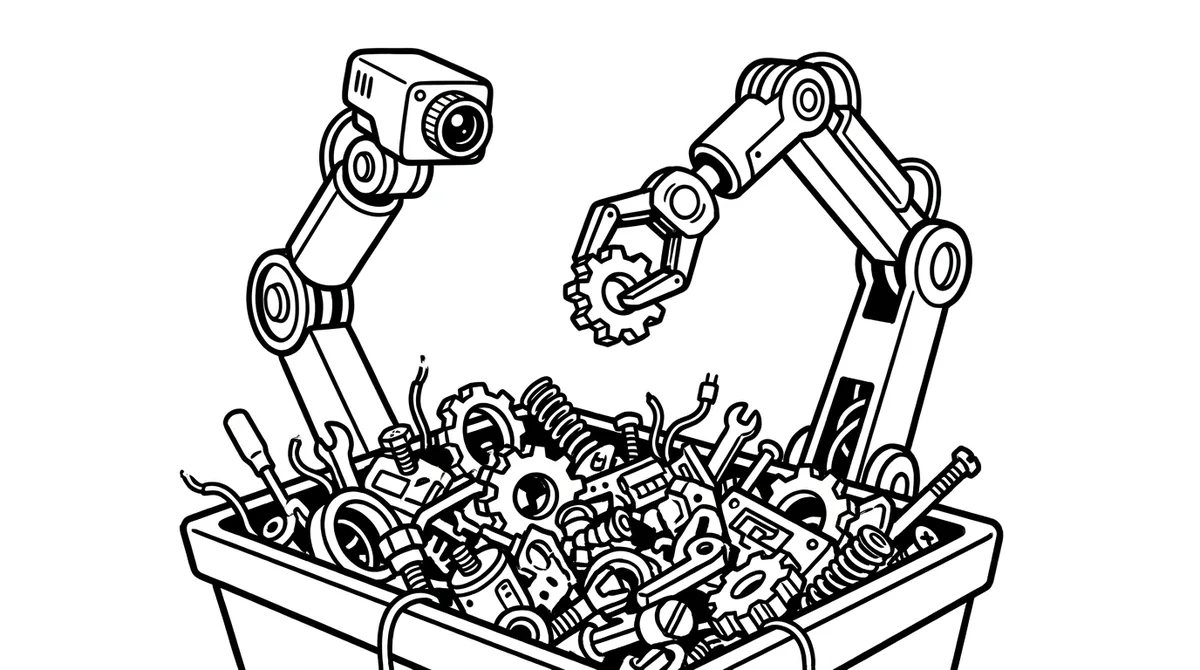
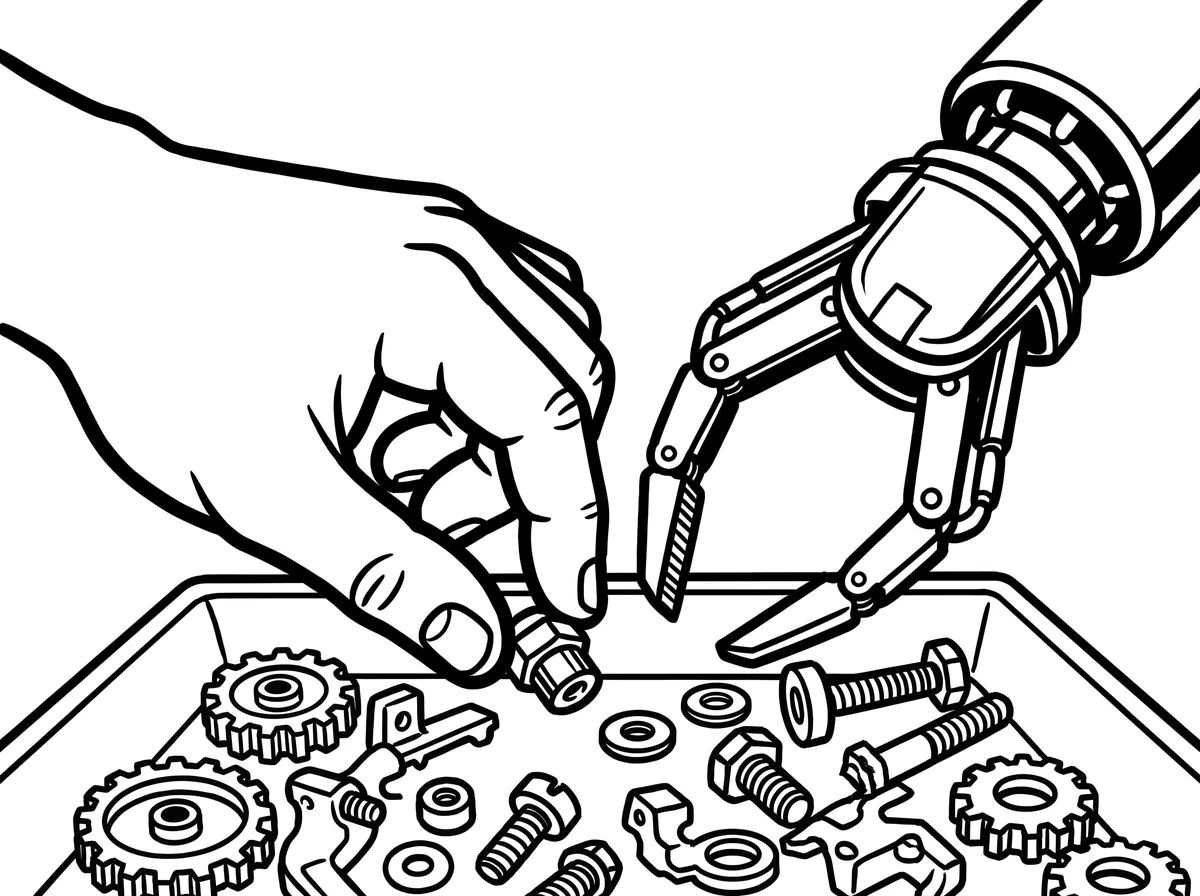
A classic robot moves through programmed points and needs parts in exactly the same place. A physical AI system sees what is in front of it, decides the grip itself and learns from every run. That is why it copes with changing parts, positions and packaging.
Is it worth it for a mid-sized company?
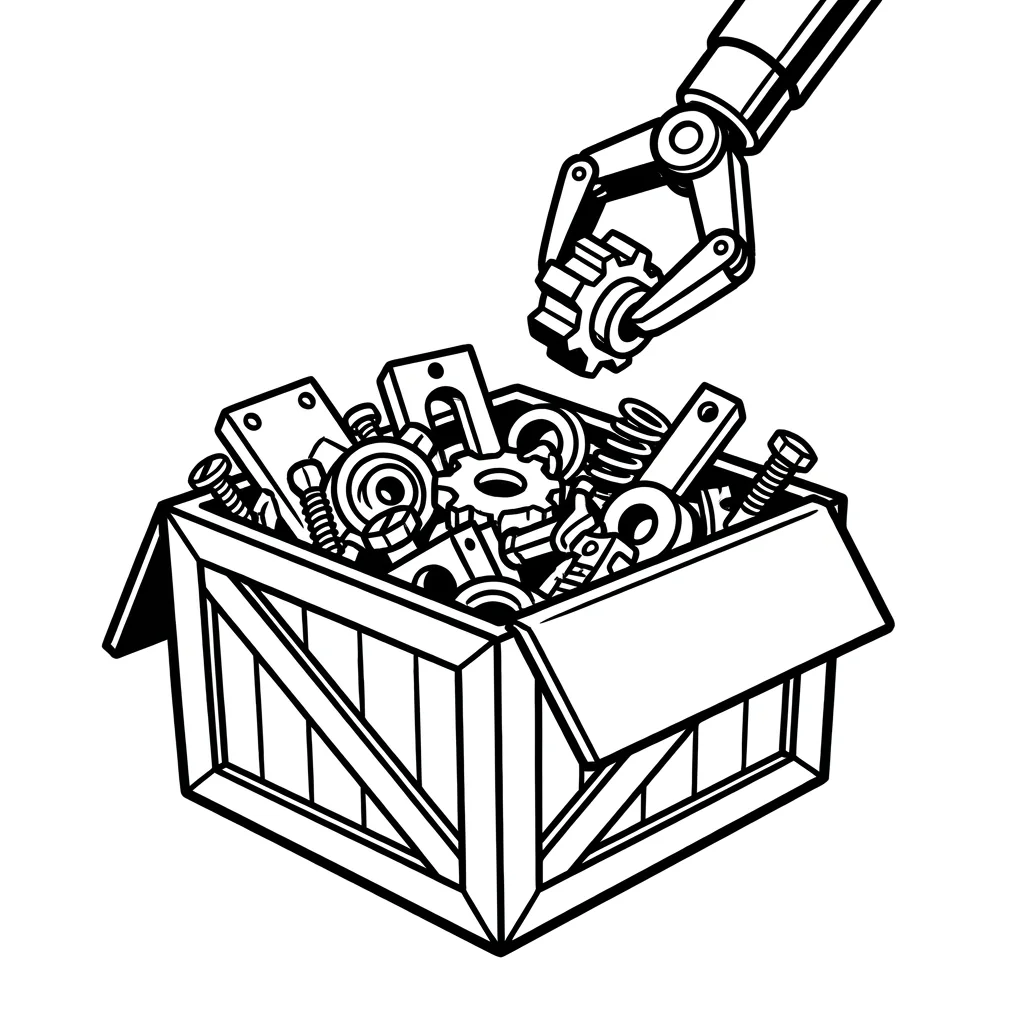
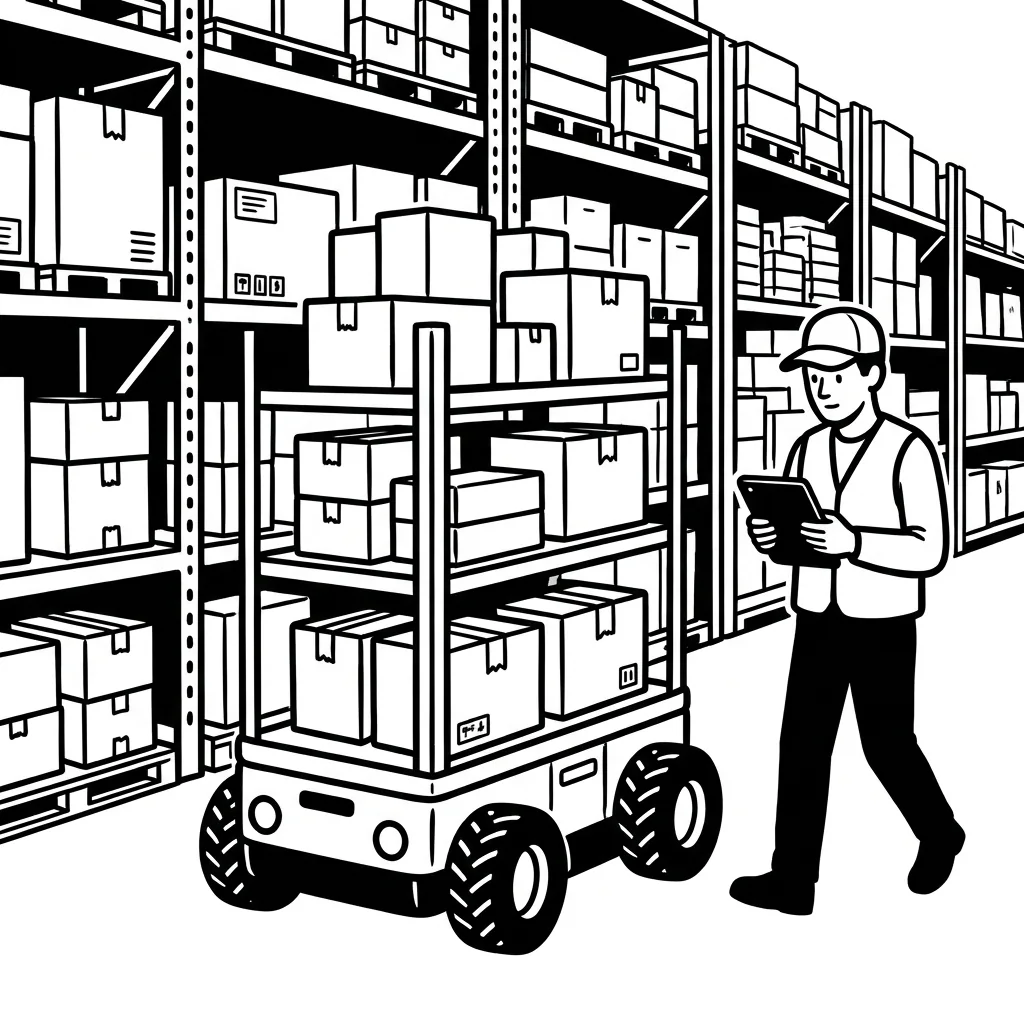
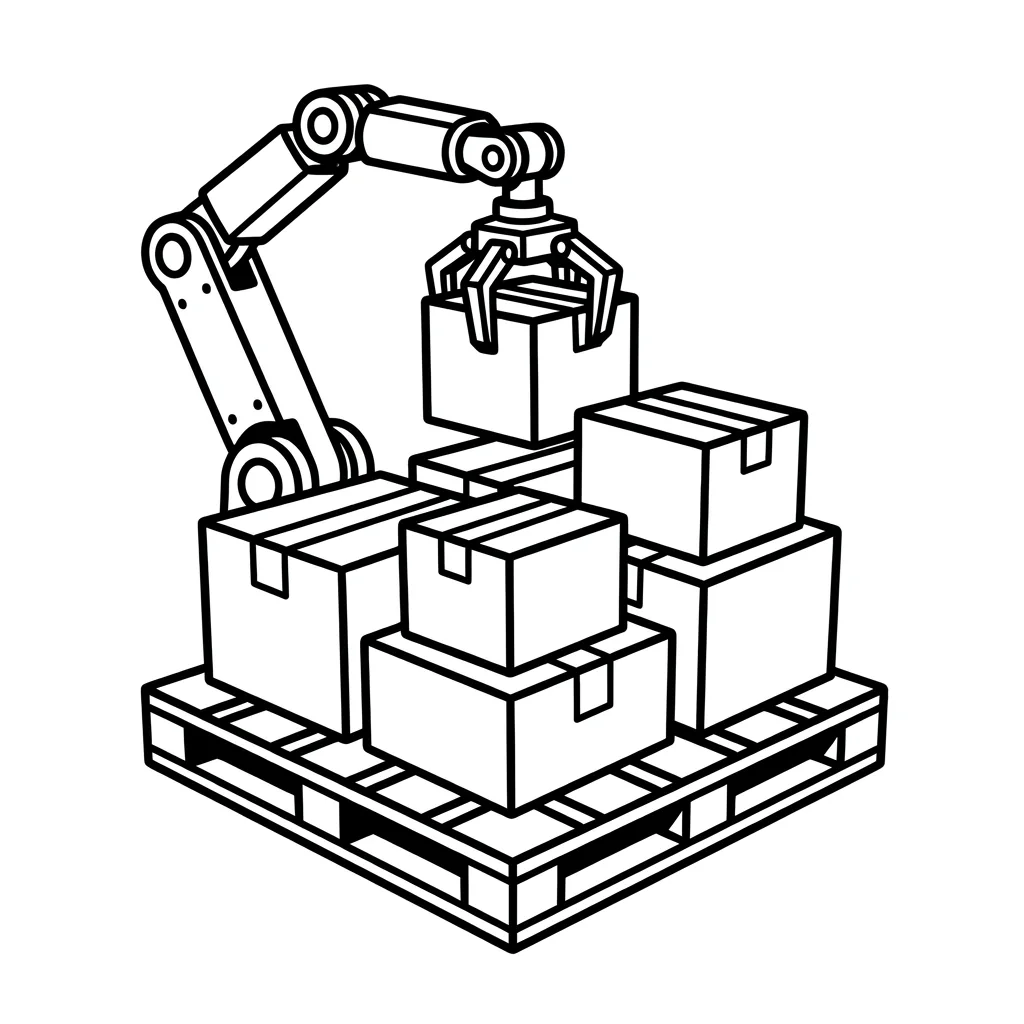
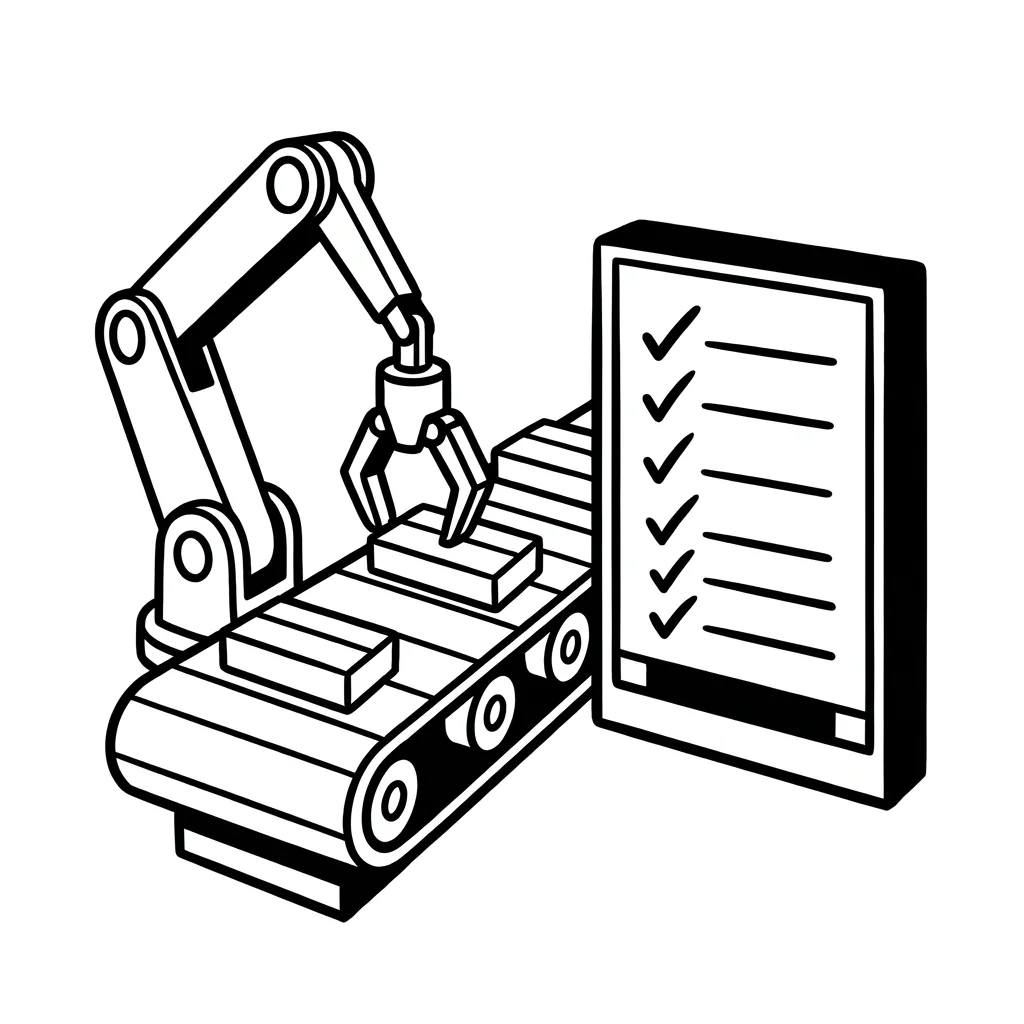
Where variance forces manual work today, bin picking, mixed pallets, order picking, often yes. We check that on your process and build a test cell before you invest in a plant. And we say so if a simple gripper is the better choice.
Do we need new robots?
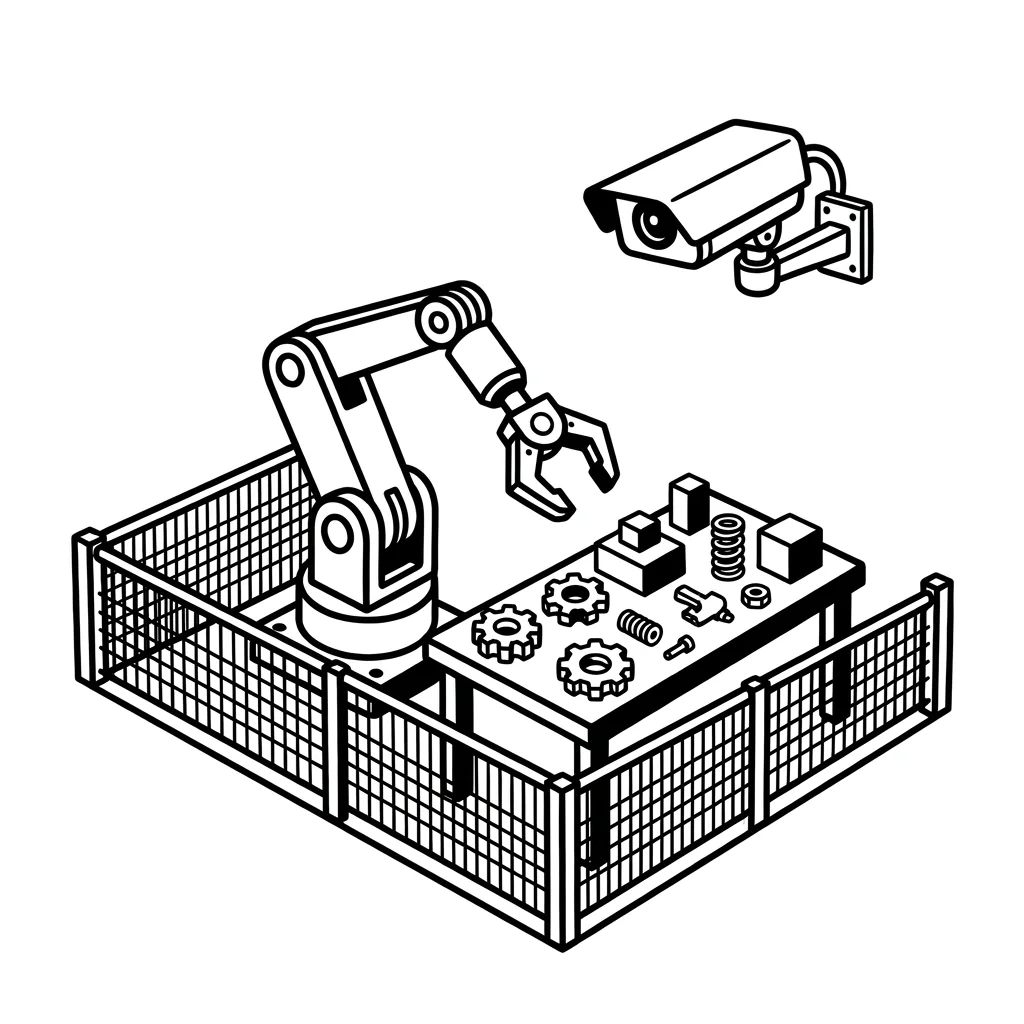
Not necessarily. Existing arms and cobots can often be extended with camera, gripper and model. We work manufacturer-independent and choose the hardware to fit your process, not the other way round.
How safe is it next to people?
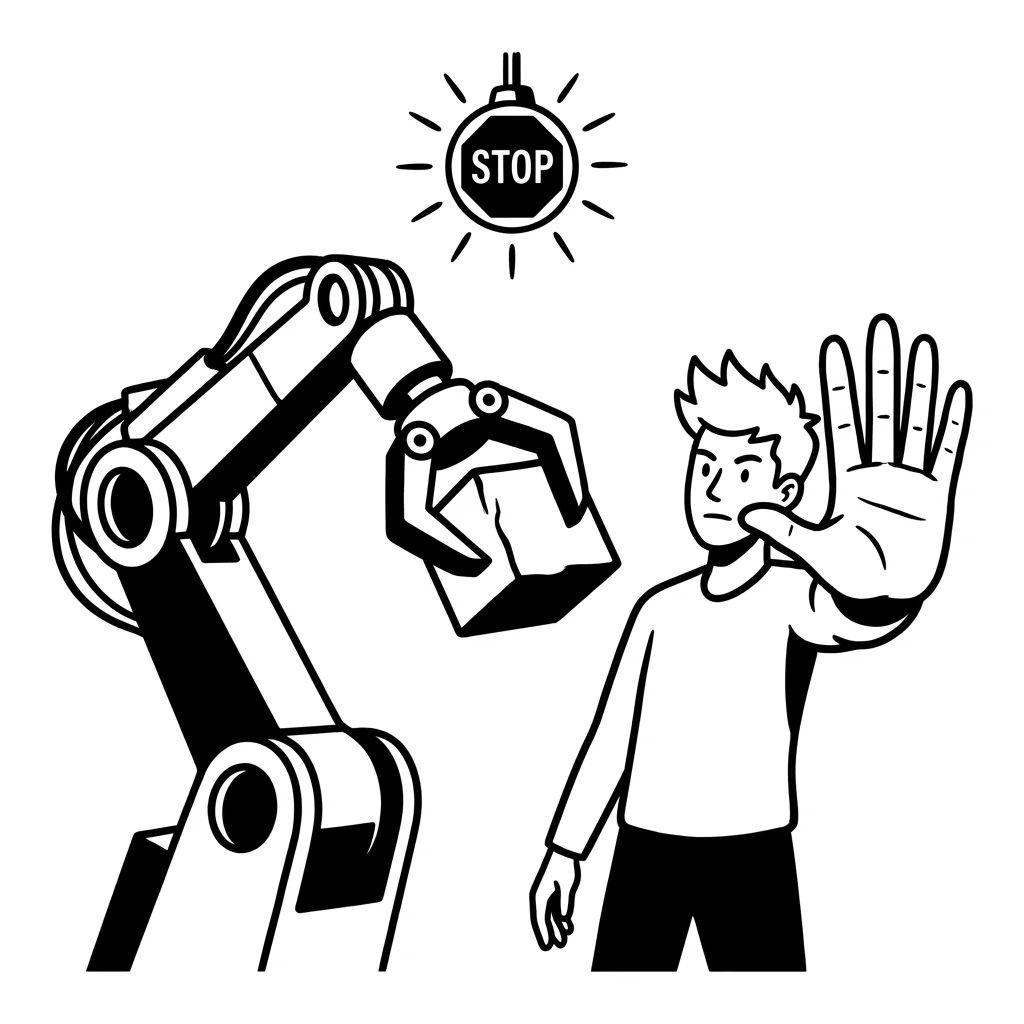
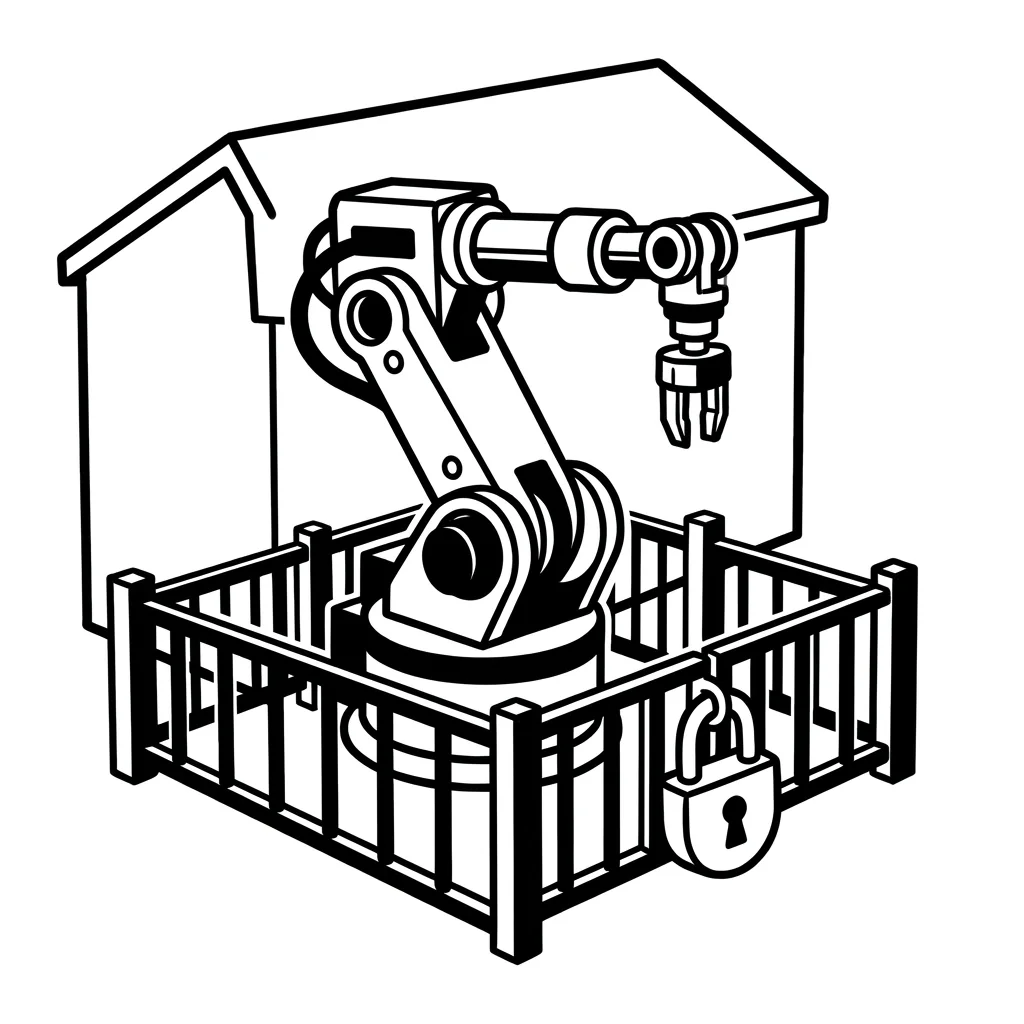
Safety is part of the planning, not of the acceptance: protection zones, speeds, emergency stop and the applicable standards are defined and documented with your occupational safety specialist. Before the cell runs in operation, it is approved.
How long does it take to get the first cell?
Checking the use case takes a few weeks. Until a test cell grips your parts reliably, a few months pass depending on the variance of the parts. In the first conversation we give you an honest estimate for your case.