At the end you haveThe first use case with leverage, system access and approval logic, before a single line of code is written.
1 / 3
Walk the processes.
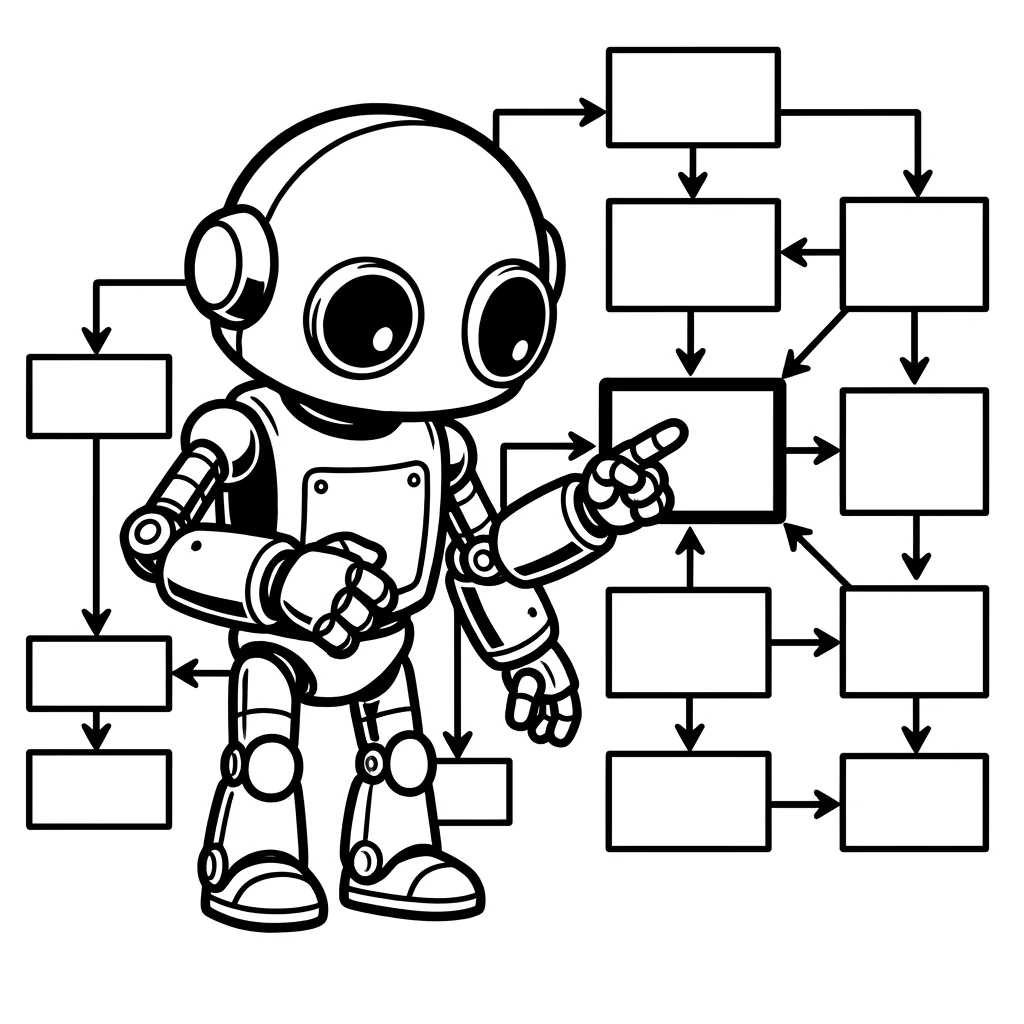
Where is work handed on, copied, queried today? We look where work gets left behind.
Chatbots answer. An agent plans a sequence, queries your systems, decides within the set limits and delivers the result, without waiting for the next prompt. We build such agents where they really take work off the Mittelstand: in processes that people only handle today because systems do not talk to each other.
An agent is not a better chatbot. It is a digital co-worker for clearly defined tasks, with access to your systems and clear limits.
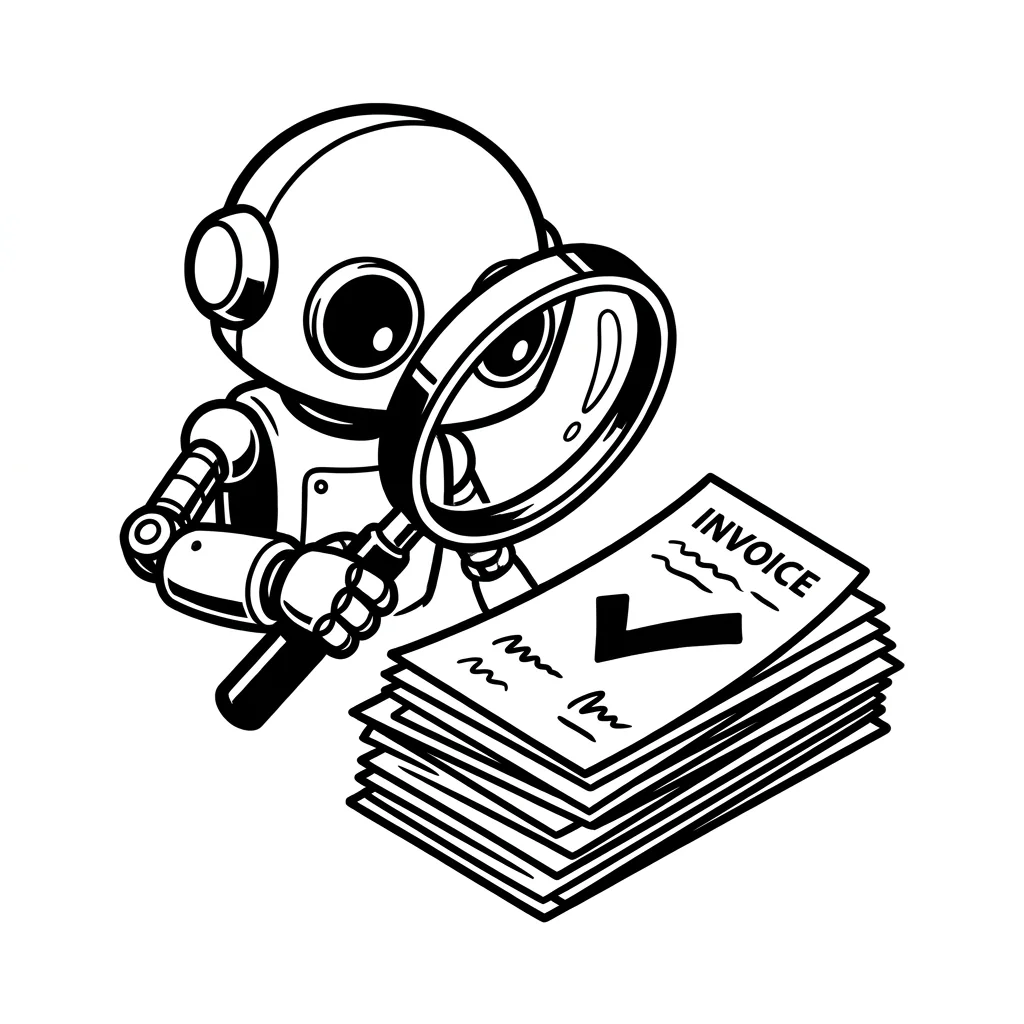
Check invoices, match them against order and delivery note, clarify discrepancies and prepare approvals. People only decide the exceptions.
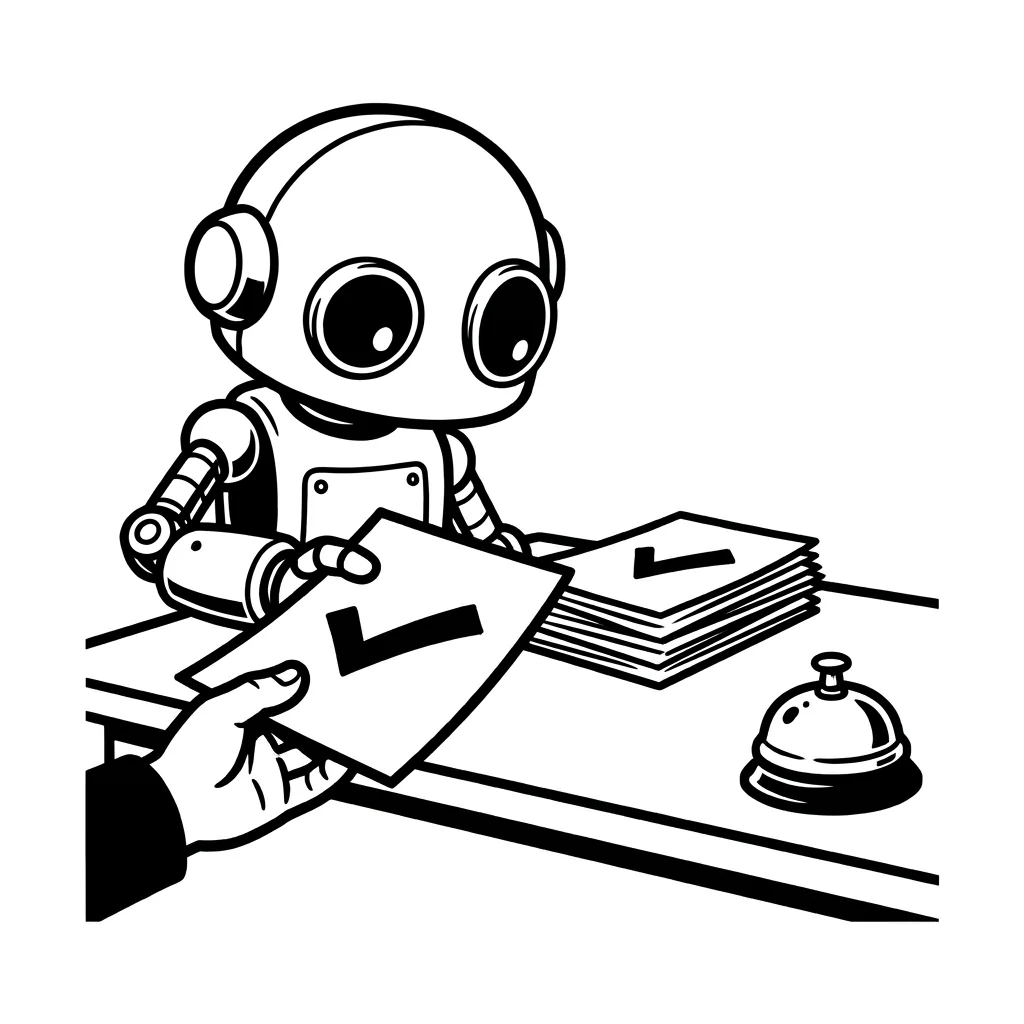
Understand enquiries, look things up in the ERP or CRM, deliver the answer with evidence, without forwarding. What the agent does not know for sure goes to a colleague with a proposal.
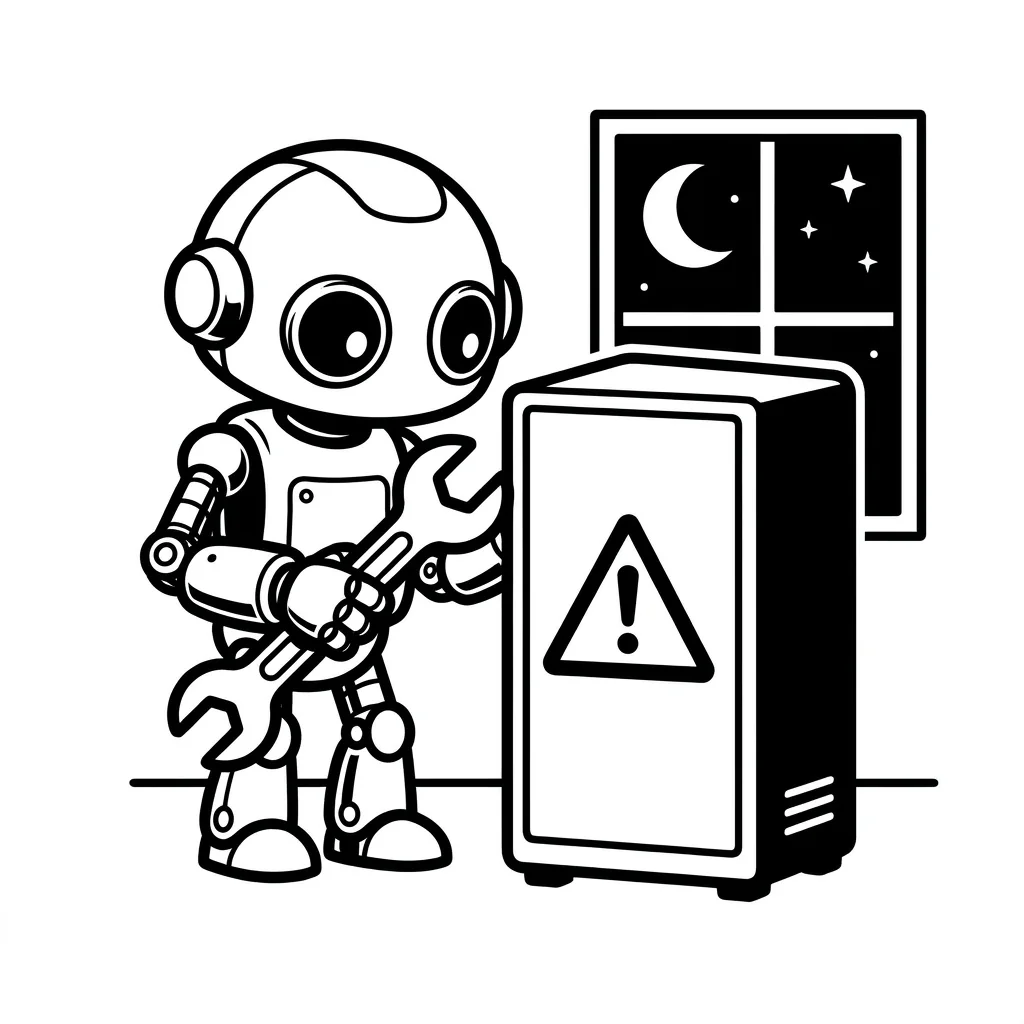
Detect the fault, narrow down the cause, trigger the countermeasure, including ticket, notification and documentation. At night just as during the day.
An agent is given a goal, not a click path. It breaks the task into steps, calls the necessary systems, checks intermediate results and gets approval where you have specified it. Every step is logged, traceable for the department and for audit.
Human-in-the-Loop is not a stopgap but a design decision: which decisions an agent makes alone and which a person approves, we define together beforehand.
agent · invoice-check #4821
01
At the end you haveThe first use case with leverage, system access and approval logic, before a single line of code is written.
02
At the end there runsAn agent in test operation with real data, a log and approval steps.
03
At the end there worksThe agent in daily business, monitored, documented, extensible. The next one builds on the same foundation.
At the end you haveThe first use case with leverage, system access and approval logic, before a single line of code is written.
1 / 3
Where is work handed on, copied, queried today? We look where work gets left behind.

2 / 3
Effort, cost of errors, data access: what carries a business case, what is merely nice?
3 / 3
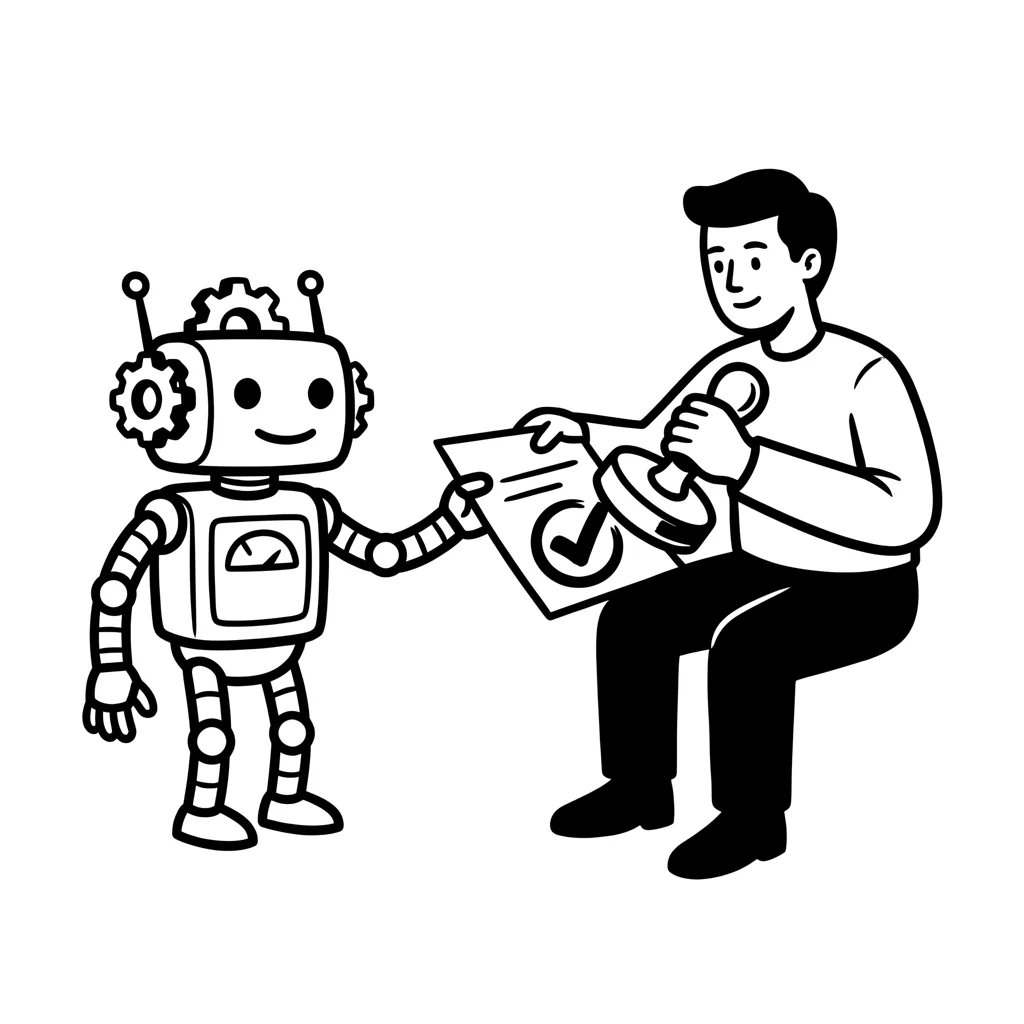
What may the agent decide alone, where does a person decide? That is settled before anything is built.
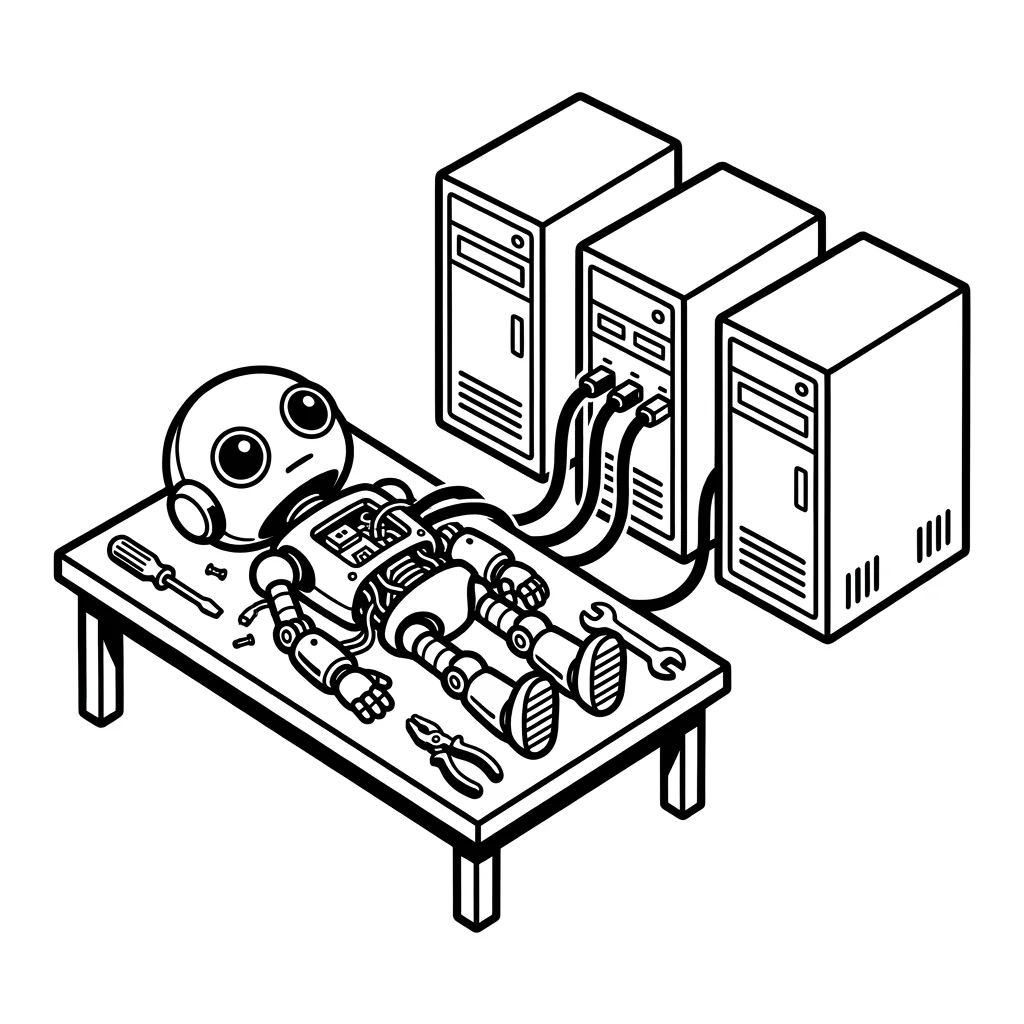
At the end there runsAn agent in test operation with real data, a log and approval steps.
1 / 3
ERP, CRM, mail, interfaces, clean, logged and reversible at any time.
2 / 3
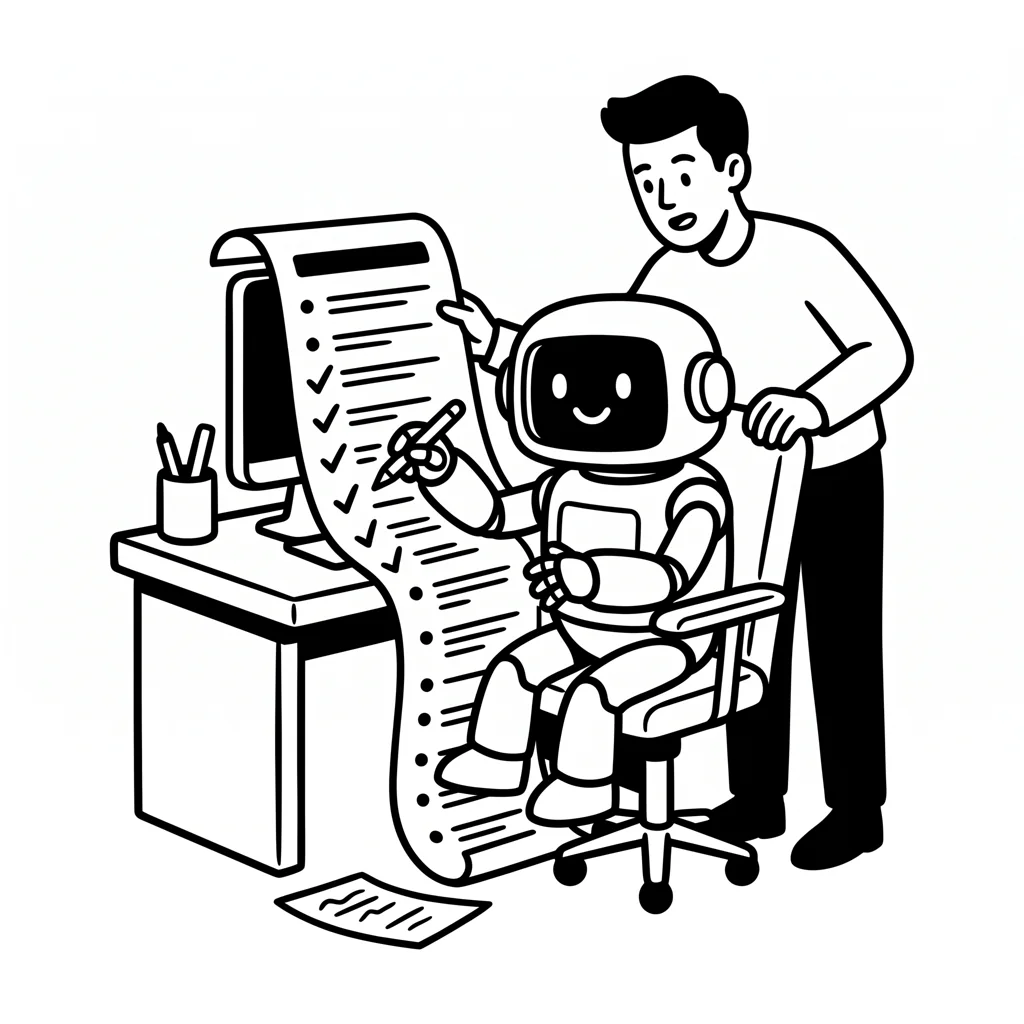
Every decision is recorded and checked by your people.

3 / 3
Approval steps exactly where they belong, not everywhere, not nowhere.
At the end there worksThe agent in daily business, monitored, documented, extensible. The next one builds on the same foundation.
1 / 3
Every decision visible, costs in view, anomalies report themselves.
2 / 3
Edge cases become rules, rules get better, in step with your feedback.

3 / 3
Same access, same rules, far less effort than for the first one.

Amounts, customer data, contract changes: together we define from which point a person decides. The agent prepares, the person approves.
What the agent did, when and why, is in the log, for the department, audit and the EU AI Act. Cost limits and emergency stop included.
Tell us where people only pass things on today, and we will tell you whether an agent can take that over.

A chatbot answers a question. An agent is given a goal, breaks it into steps, accesses your systems, checks intermediate results and delivers the finished result, with a log. It works instead of answering.
Recurring workflows with clear rules and a few exceptions, that run across several systems and whose success is measurable: invoice checking, service requests, master data maintenance, fault reports. That is exactly where an agent takes noticeable work off you right away.
An agent may only do what we have defined beforehand, with approval thresholds, cost limits and an emergency stop. Every step is in the log and can be reversed. That is why every agent starts in test operation with real data before it makes decisions in daily business.
No. Agents connect via interfaces to what you have: ERP, CRM, mail, ticket system. They run on your infrastructure or in the cloud of your choice; the data stays where it belongs.
Selecting the first use case takes a few weeks, the first agent in test operation follows in weeks, not months, depending on interfaces and data. In the first conversation we give you an honest estimate for your case.