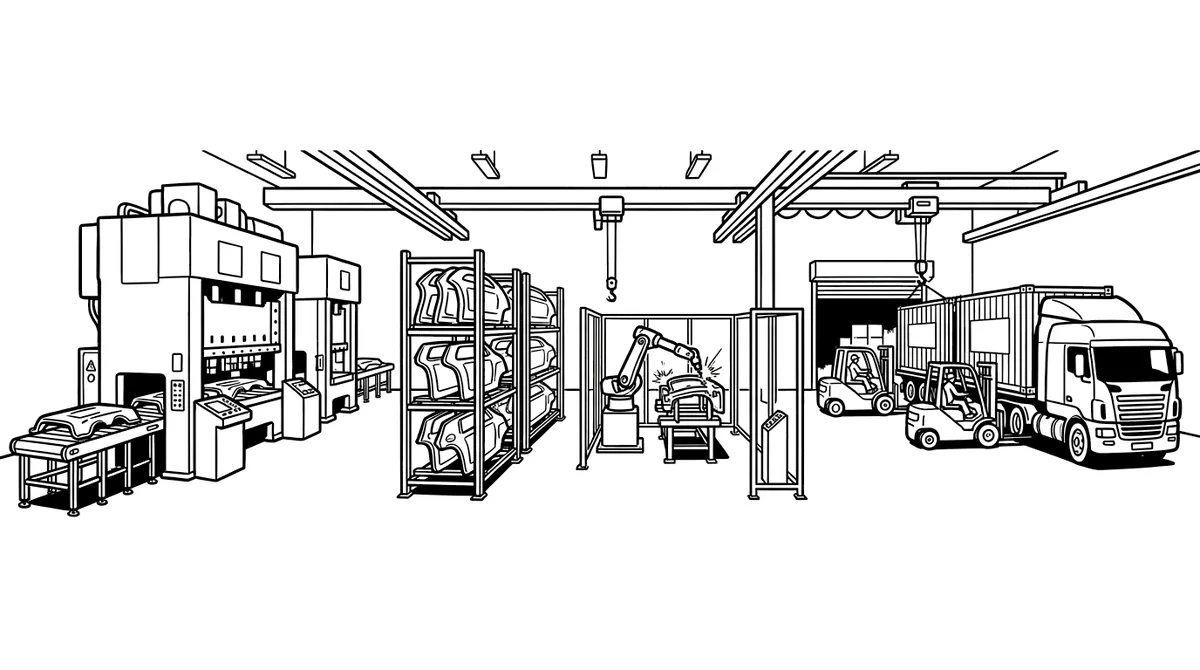
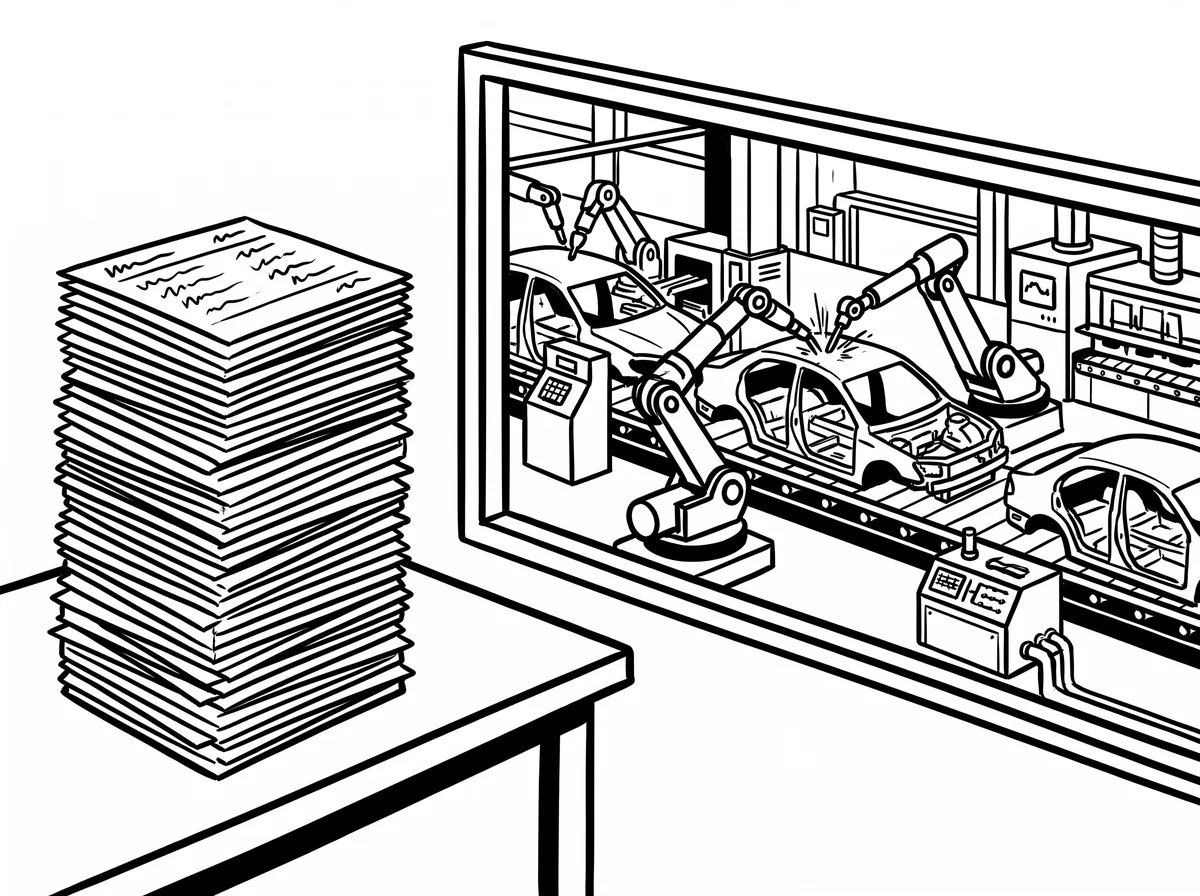
Six spots between call-off and loading dock that we keep finding at series manufacturers.
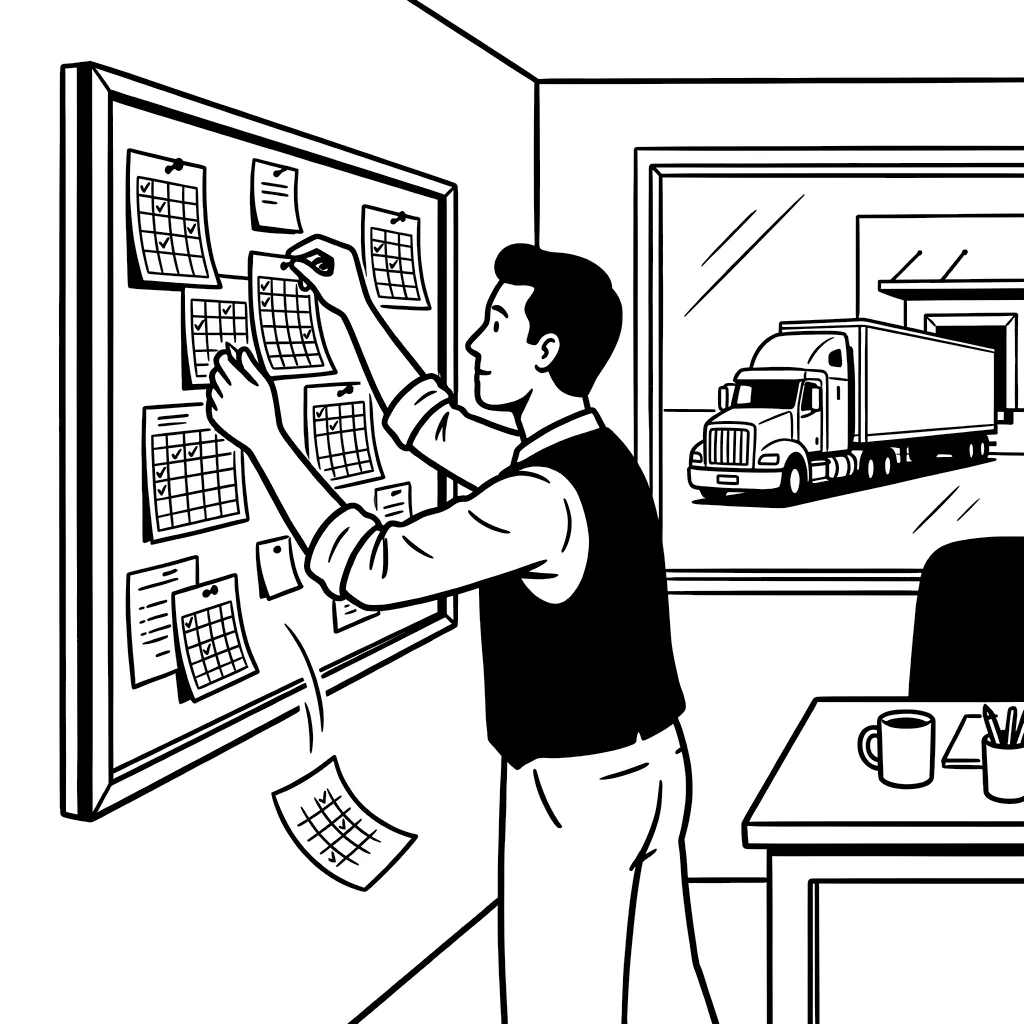
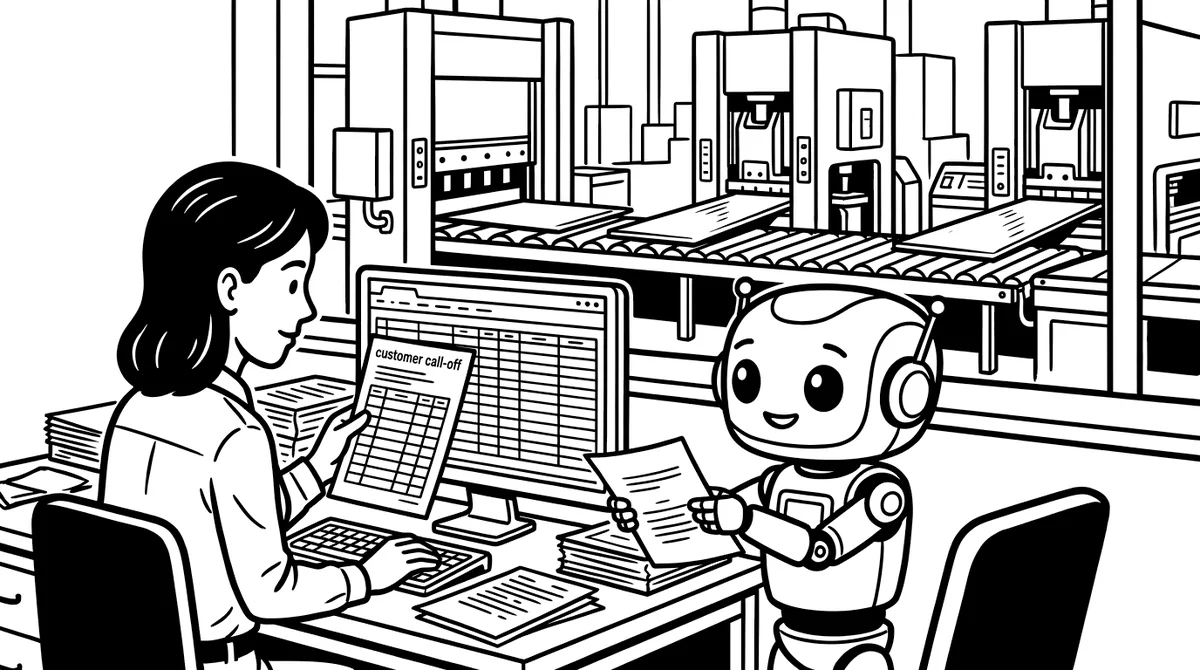
What we make of itAn agent reads call-offs from EDI and email, matches them against stock and capacity and reports only the deviation.
01
Call-offs that change daily.
The OEM sends forecast and detailed call-off, both are moved into planning by hand. If something changes, production is the last to know.
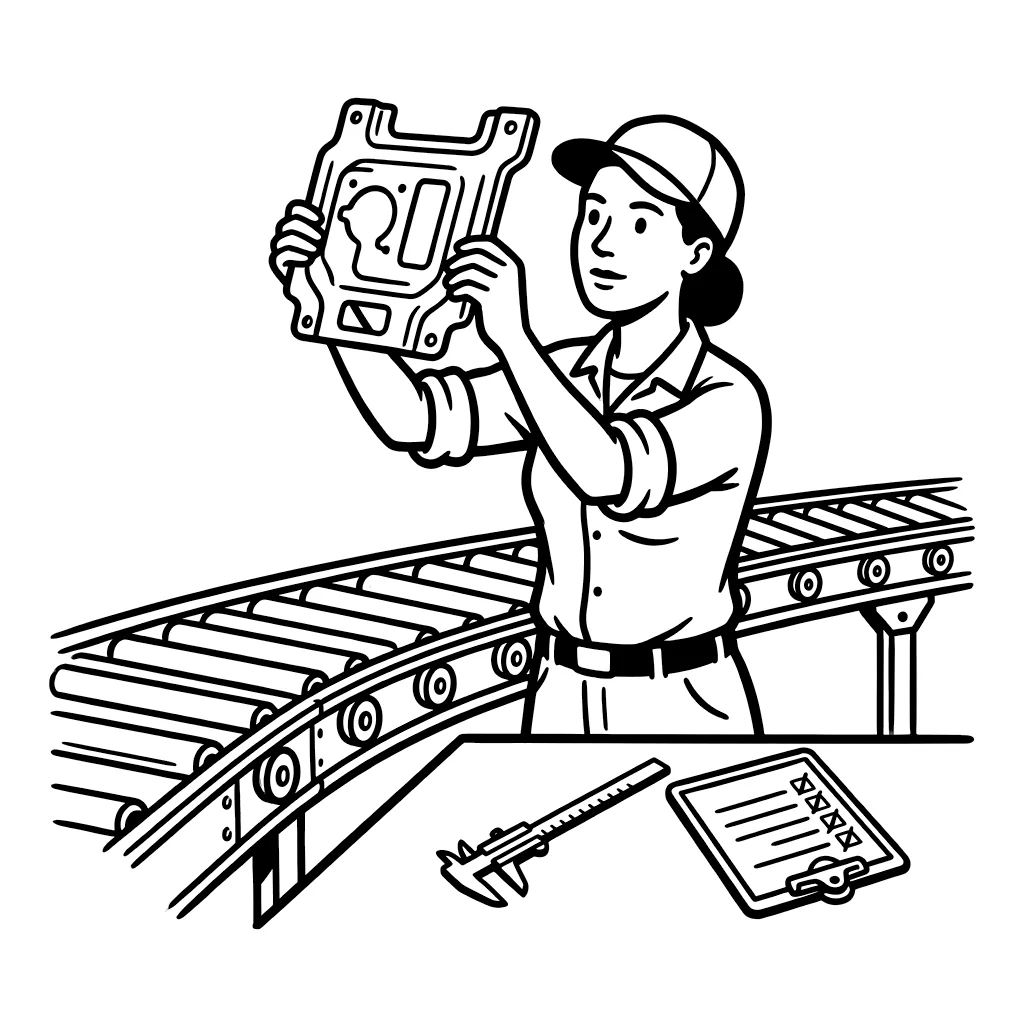
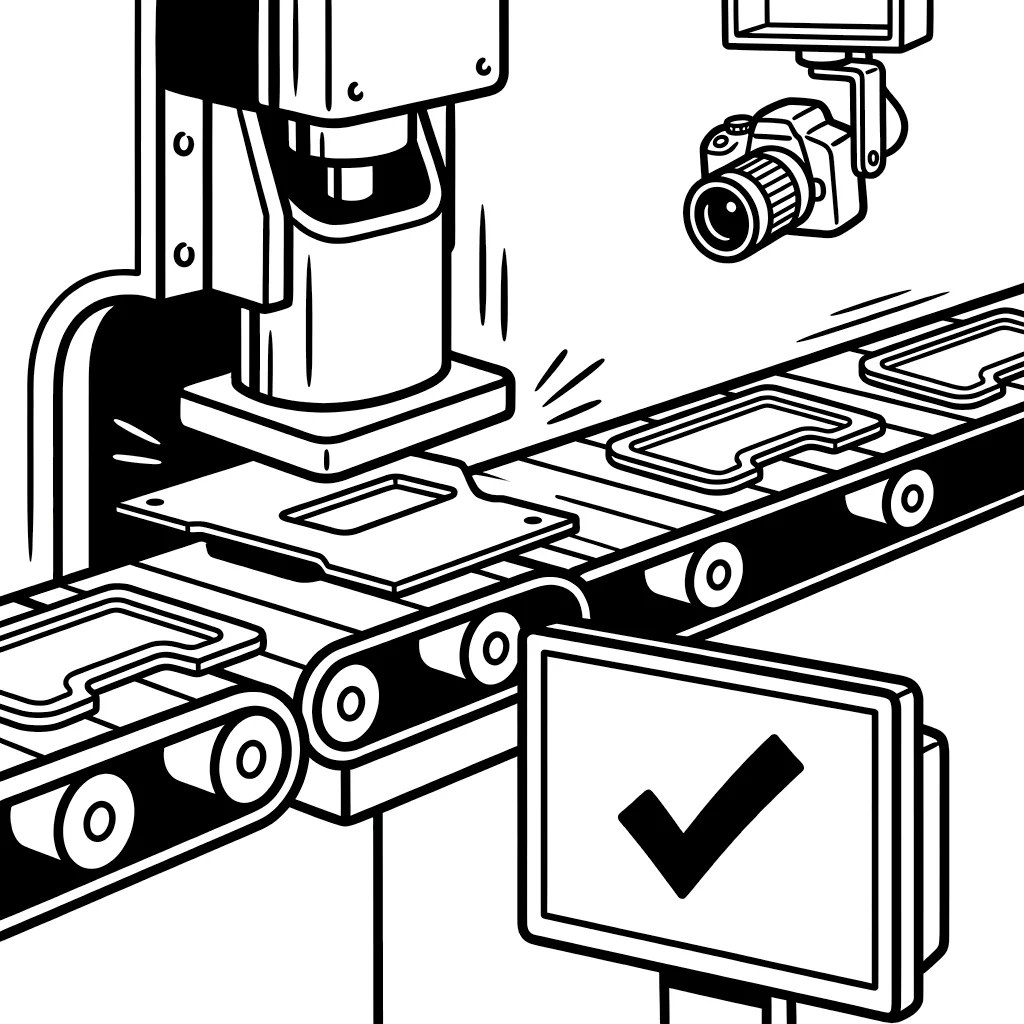
What we make of itCameras inspect every part in cycle, with a log per part and batch. The inspector decides the edge cases.
02
Inspection by sampling.
Visual inspection at the end of the line, measurement logs on paper. A defect at the customer costs more than the part, and nobody knows which batch it was.
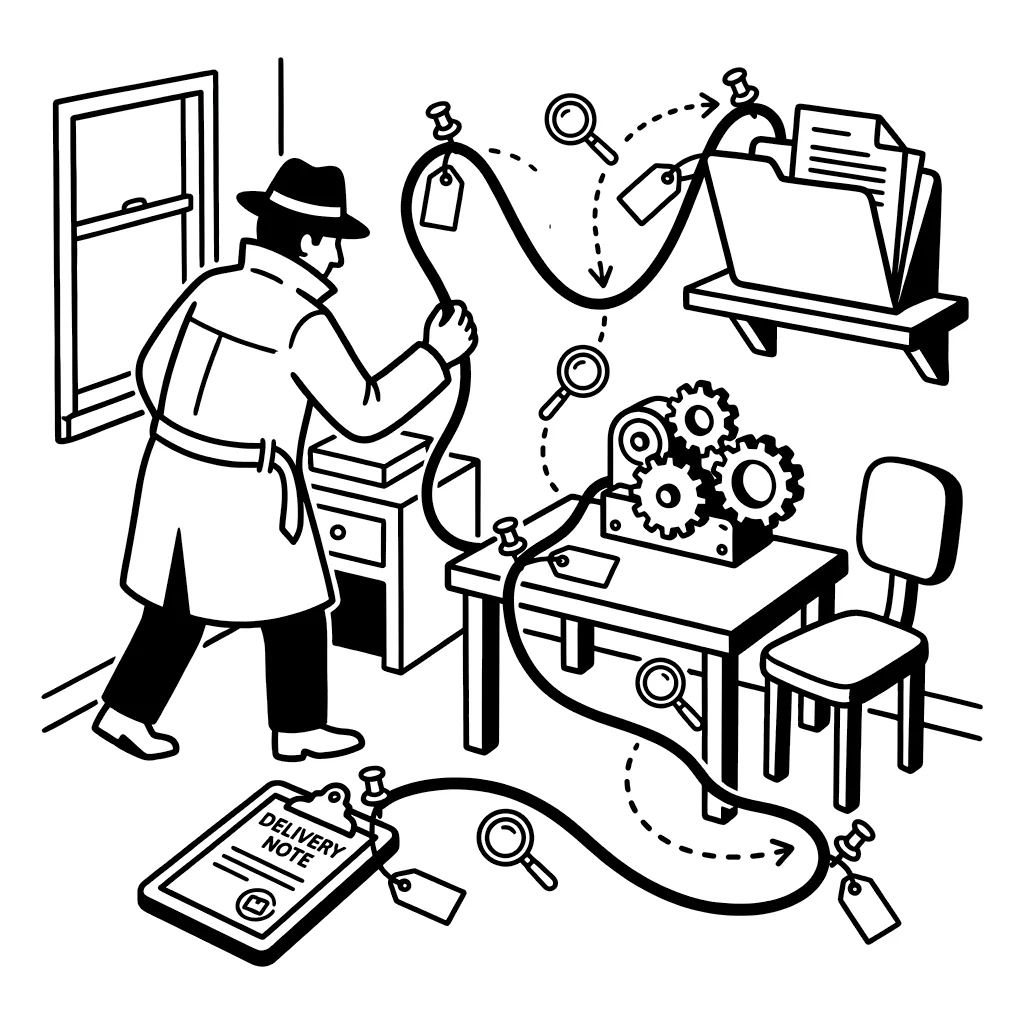
What we make of itBatch, machine, inspection and delivery in one place: a complaint is answered in minutes, not days.
03
Traceability on demand.
When a complaint comes in, the search begins: delivery note, shift log, inspection record. What belongs together sits in three systems and two folders.
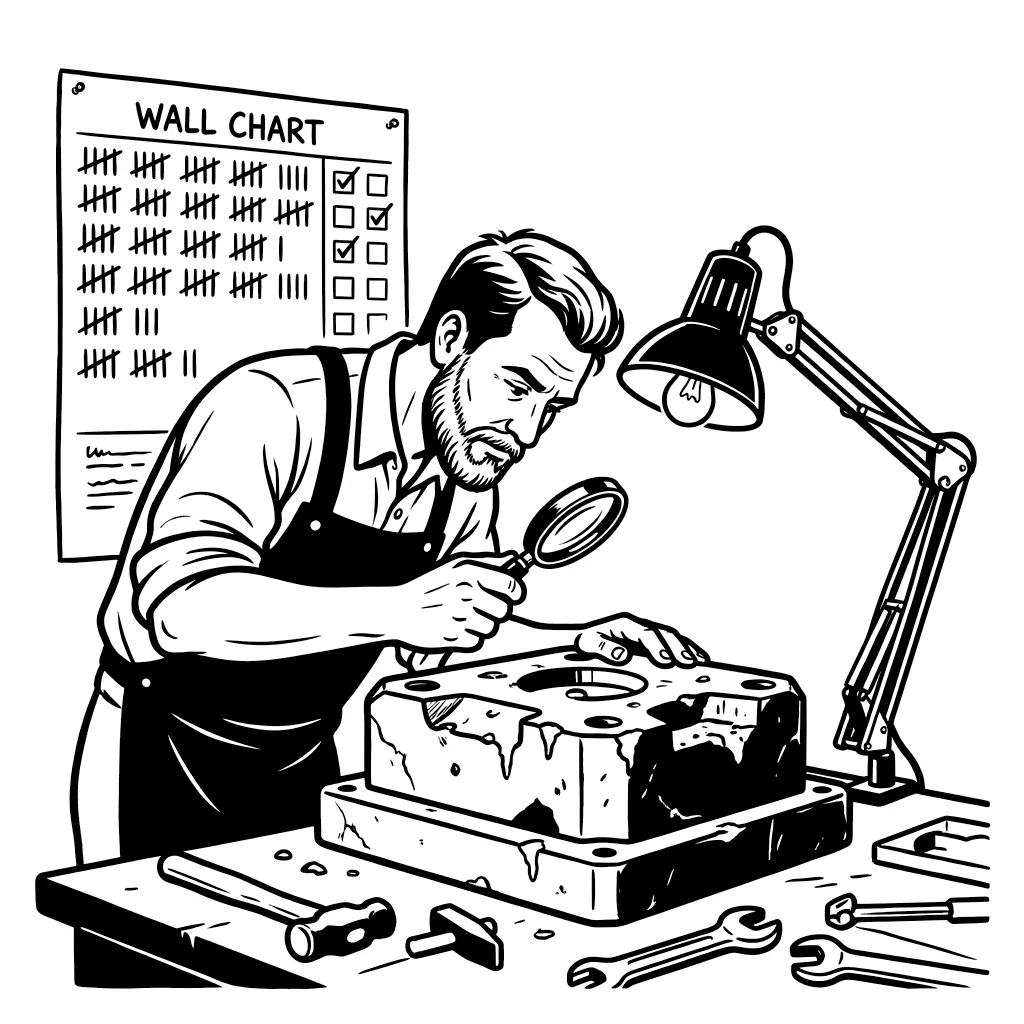
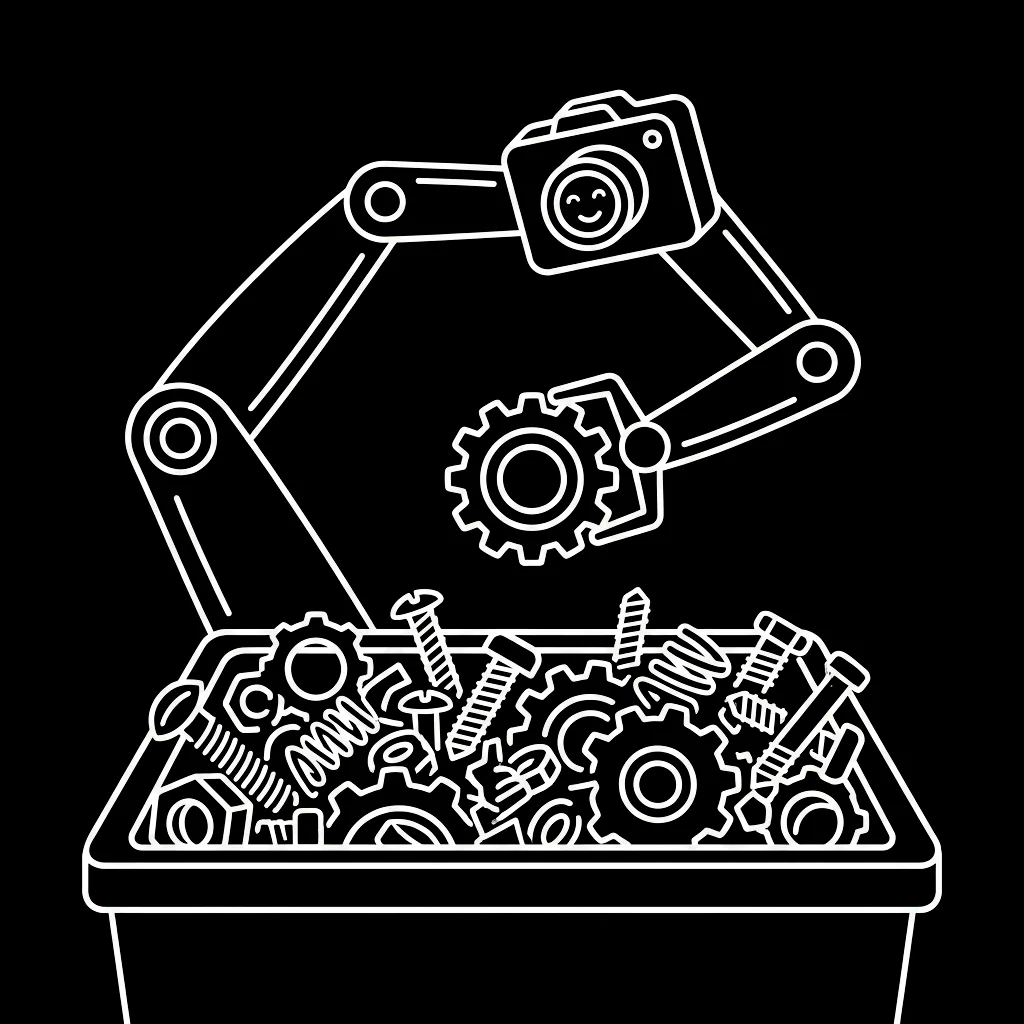
What we make of itMachine and tool data evaluated: changeover and maintenance before scrap begins, not after.
04
Tools and maintenance by feel.
Tool life lives in the setter's head. Changes happen when it jams, or too early, because nobody has the numbers.
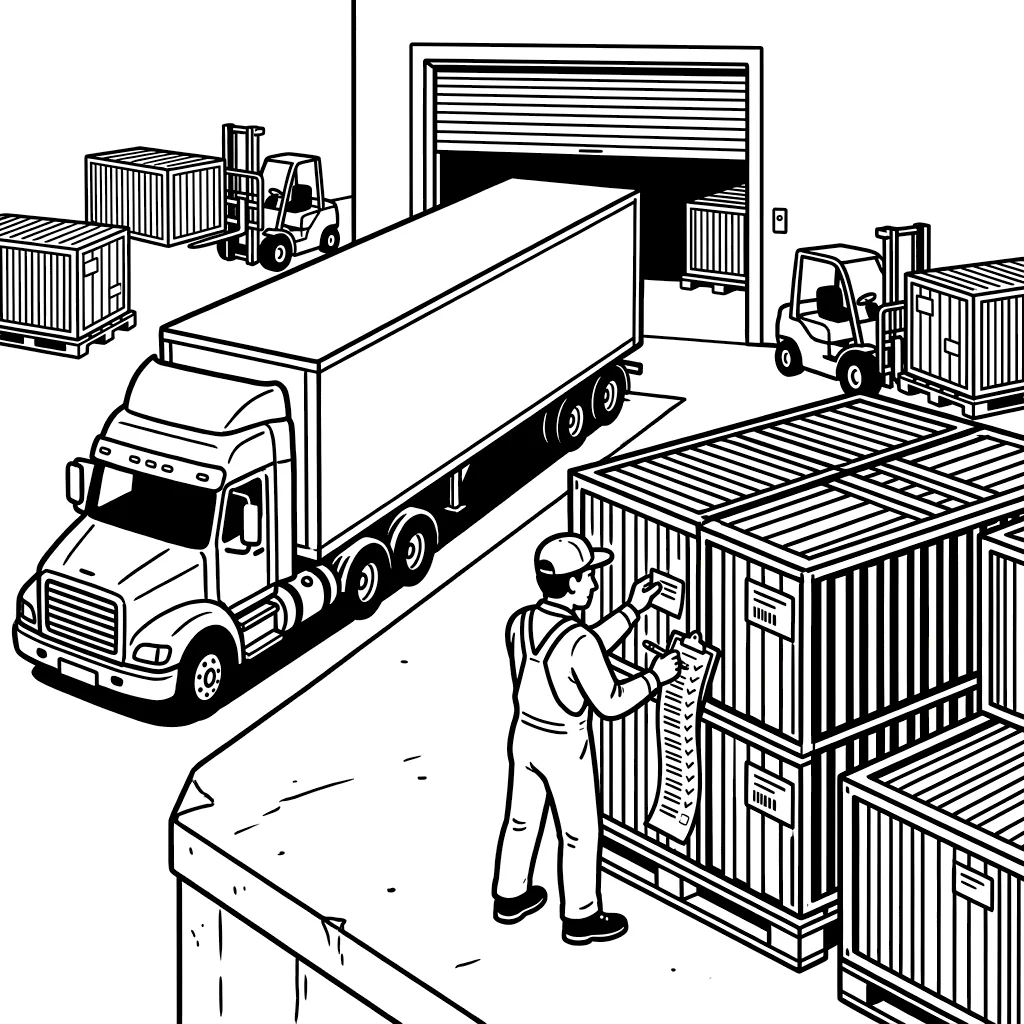
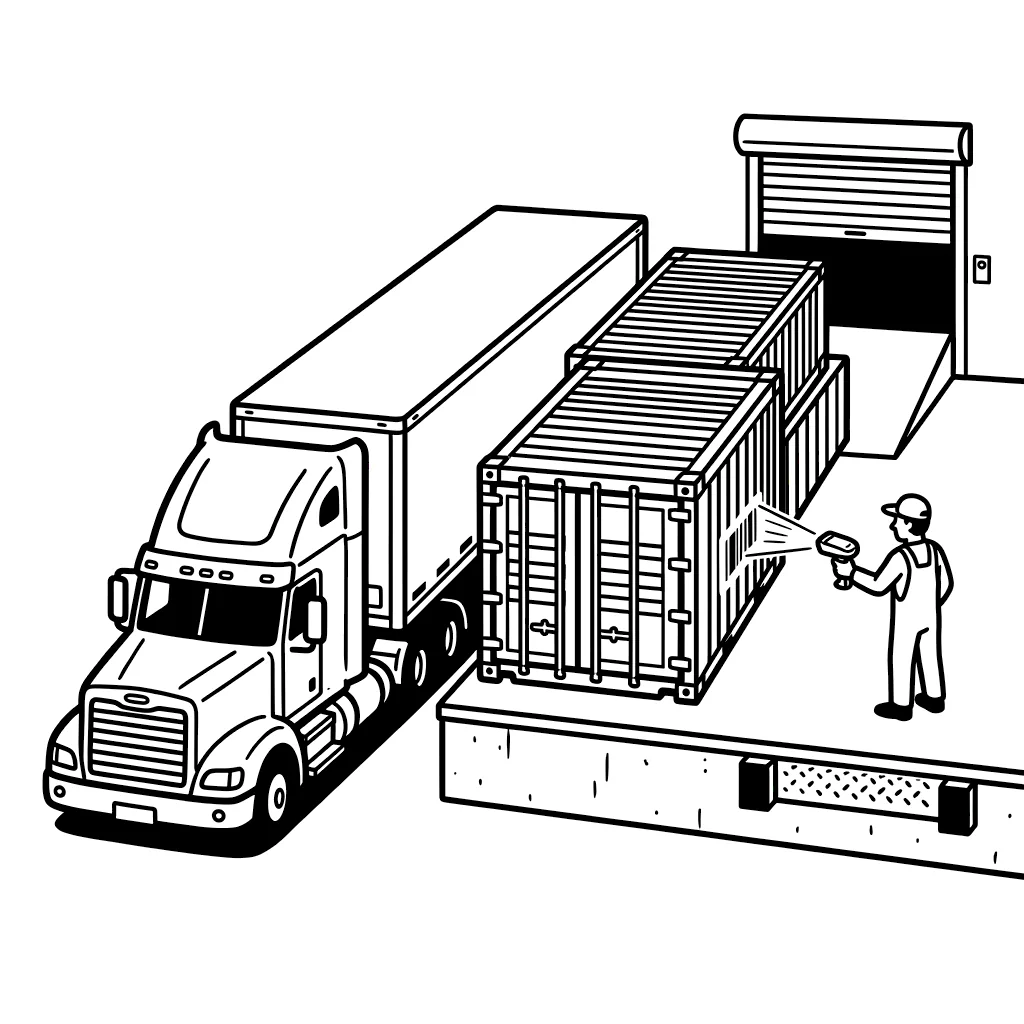
What we make of itLabels and documents are generated from the order, in the customer's format, checked before the truck arrives.
05
The loading dock as bottleneck.
Labels, load carriers, delivery notes in customer format, all by hand, every day, different for every customer. One mistake, and the truck waits.
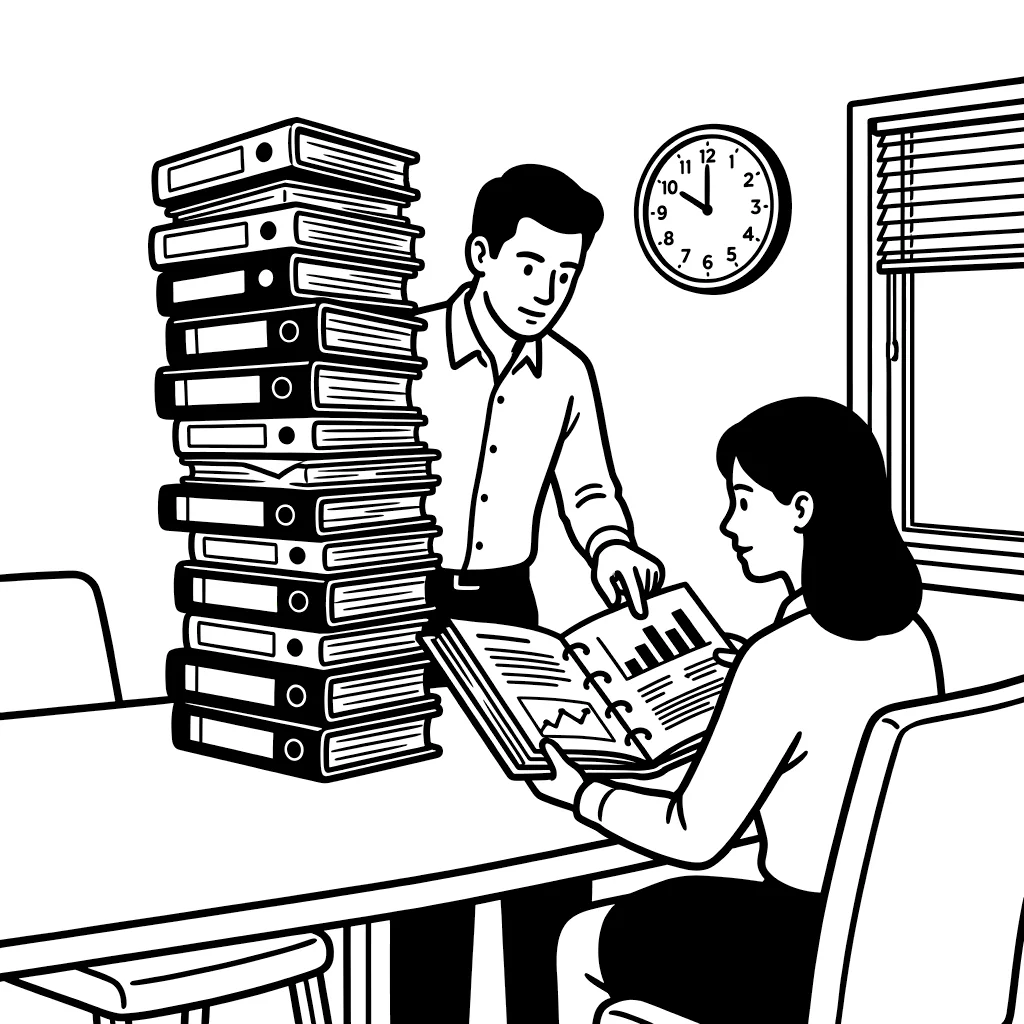
What we make of itEvidence that arises from running operations, inspections, batches, training, and is available at the push of a button.
06
Audits that cost weeks.
Customer audit, certification, supplier assessment: every time the same evidence is gathered from the same folders.