FAQ.
How do we know it is time?
When changes take weeks because nobody wants to touch the code. When updates stop because something could break. When new requirements, an interface, an analysis, an agent, fail at the legacy system. One of these is enough.
Do we have to replace the ERP completely?
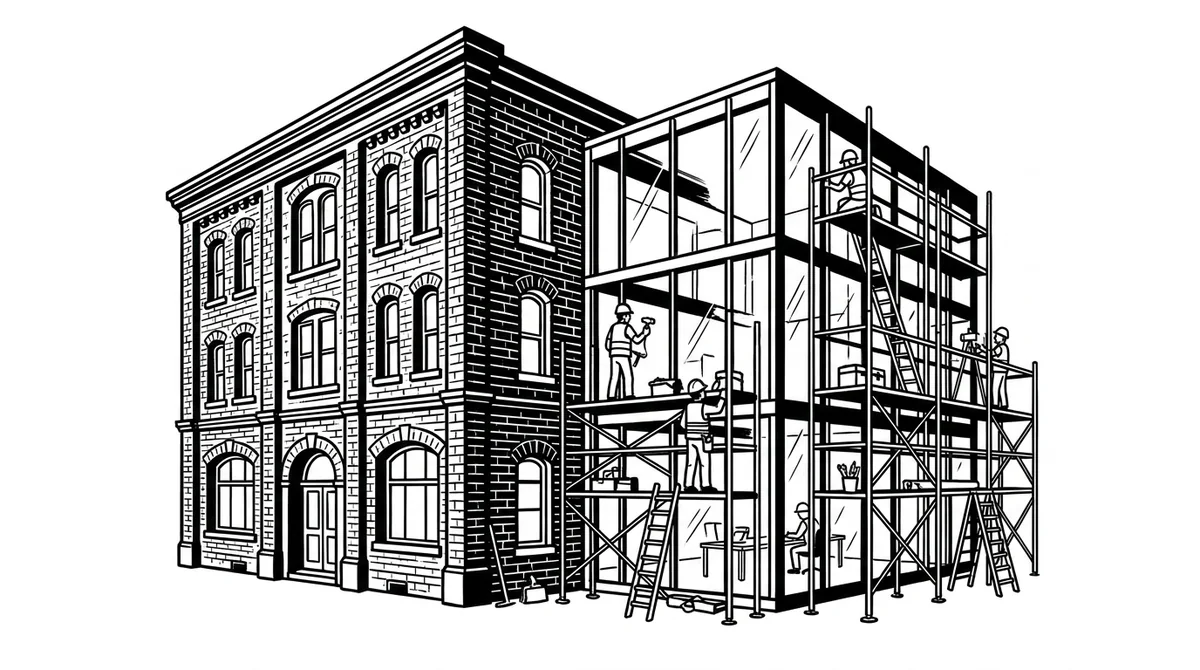
Rarely. Often the core is healthy and only the shell around it, interfaces, in-house developments, reports, has calcified. We check what can stay, what gets modernised and what should be replaced with standard. The answer is almost never "everything new".
How do we avoid downtime?
By running old and new in parallel. Every module is only switched over once it delivers the same result with real data, and can be switched back if not. No big bang, no weekend of truth.
What does AI bring to the migration?
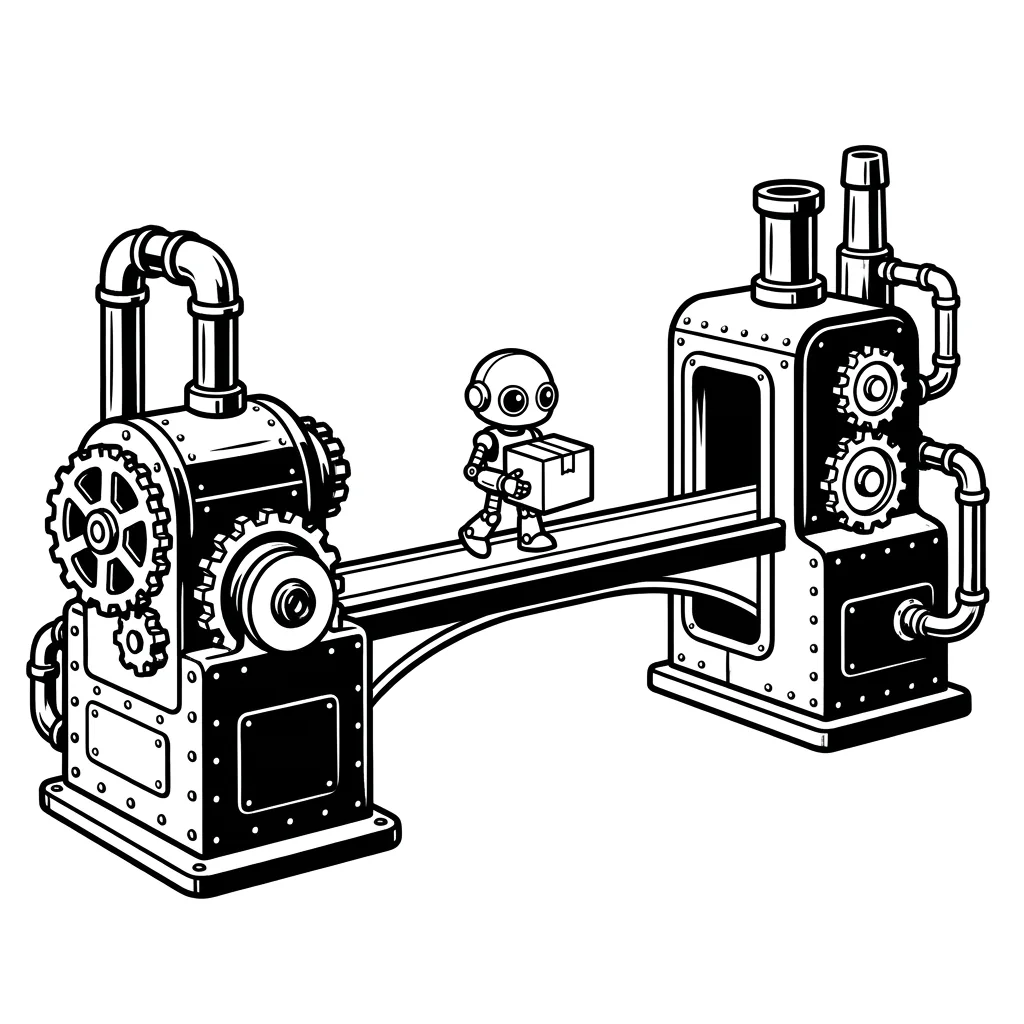
AI tools read old code, explain it, generate tests and propose the translation into modern structures. That takes the dull work; people check and decide. As a result, modernisations are feasible today that were too expensive a few years ago.
How long does it take?
The first module is replaced in months, not years, depending on size and state of documentation. Then stage follows stage, each with a visible result. After the inventory we give you an honest estimate.