STRATEGY
& AI.

From the business to the roadmap, and into operations.

AI strategy does not start with use cases and not with tools. It starts with the question of what your company earns its money with, and where it loses time, margin or opportunities today. From there we work in three steps into productive operation.

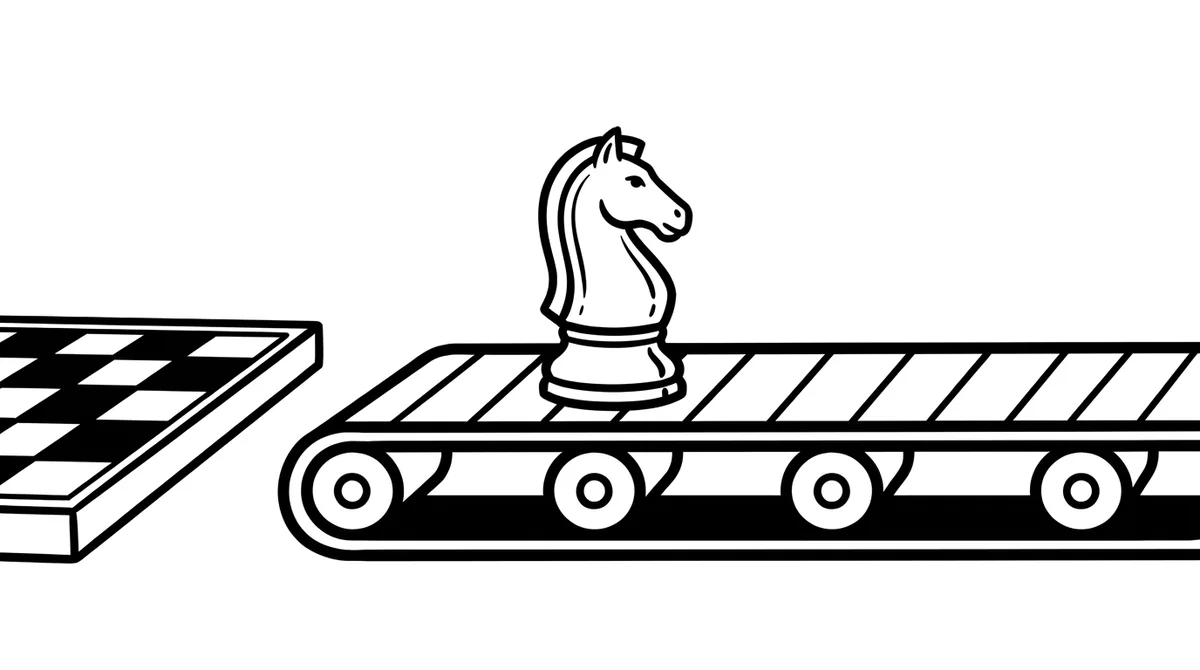
A knight figure leaves the chessboard on a conveyor belt

How we proceed.

01

A funnel: many notes at the top, three blocks at the bottom

At the end you have3–5 value fields instead of 100 ideas, with the honest list of what we would not build.

Understand & prioritise.

With management and departments we capture where value is created and where it is lost today, and cut value fields from that. Every field is assessed by lever and feasibility, calculated conservatively.

02

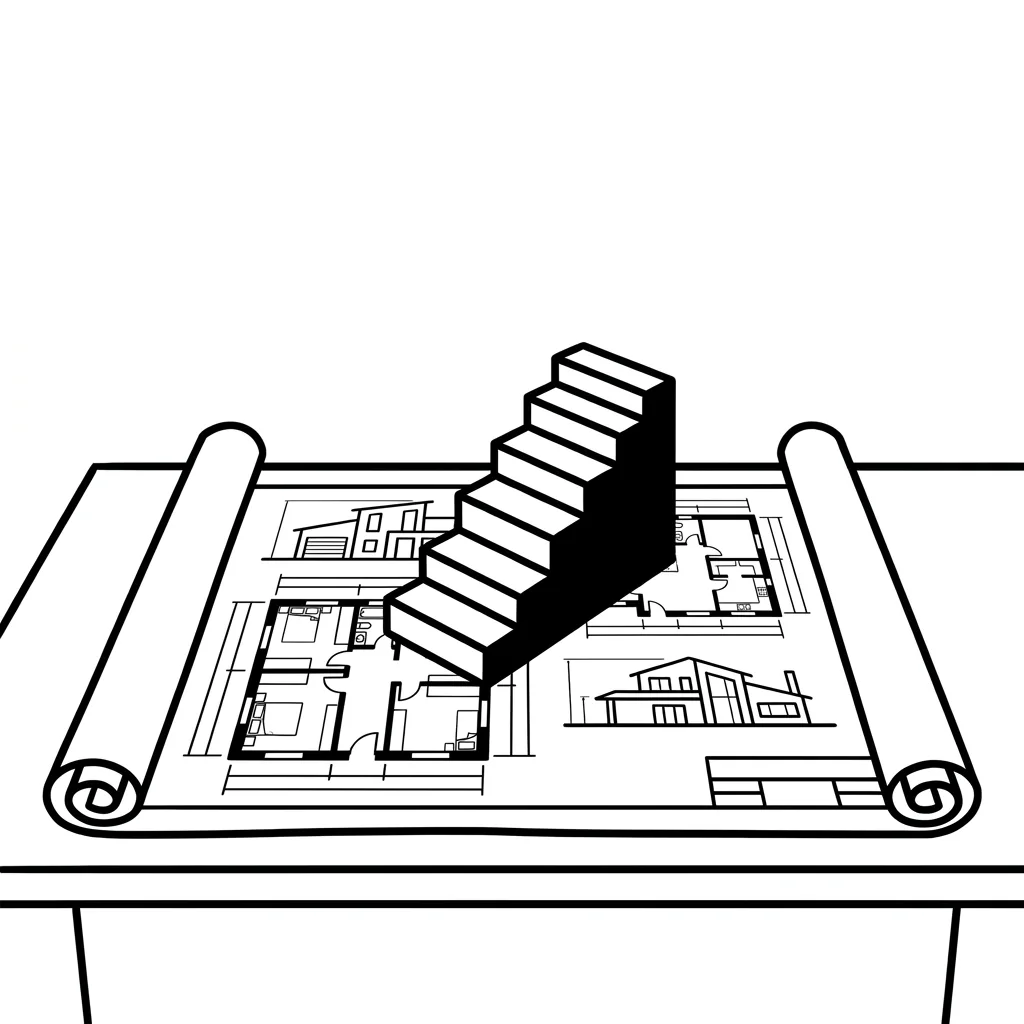
A staircase grows out of a blueprint

At the end you haveA target picture that management, IT and auditors sign, and a roadmap with a business case per step.

Target picture & roadmap.

We clarify what is built on: architecture, data, guardrails under the EU AI Act and an operating model that brings ideas into the funnel in a structured way. That becomes a sequence, with scope, cost, benefit and a name per step.

03

A large switch set to ON, behind it a factory lights up

At the end there runsThe first workflow in daily business, the proof that the plan holds.

Proof in operation.

Step one of the roadmap goes into productive operation with us, on your infrastructure, close to the team. What daily work confirms gets expanded. What it refutes leaves the roadmap before it costs money.

Deliverables.

Five things that lie on the table at the end, assessed, in order, and one of them already running.

ai assessment · value fieldsFIELDLEVERDATAORDERquote preparationgood1service schedulingfair2design reusefair3demand planningpoorlatersupplier mailsgoodlaterbusiness case per field · nothing without a data checkFIRST ONE STARTED
  1. 01Value field map3–5 assessed fields with lever and data situation, the map on which all further decisions stand.
  2. 02Prioritised portfolioLever × feasibility per candidate, business case included, and the cut list with reasons.
  3. 03Target picture & guardrailsArchitecture, data and governance decisions including EU AI Act classification and operating model.
  4. 04Roadmap with business casesThe sequence with cost, benefit, metric and owner per step, steerable quarter by quarter.
  5. 05Workflow #1 — in productionThe first step of the roadmap runs in daily business. Not as a pilot. As proof.

How you notice it is working.

A tangle of thread becomes a straight line

The list gets shorter.

Instead of a hundred ideas in circulation there are three value fields with names, owners and order. Discussions revolve around the next thing, not around everything.

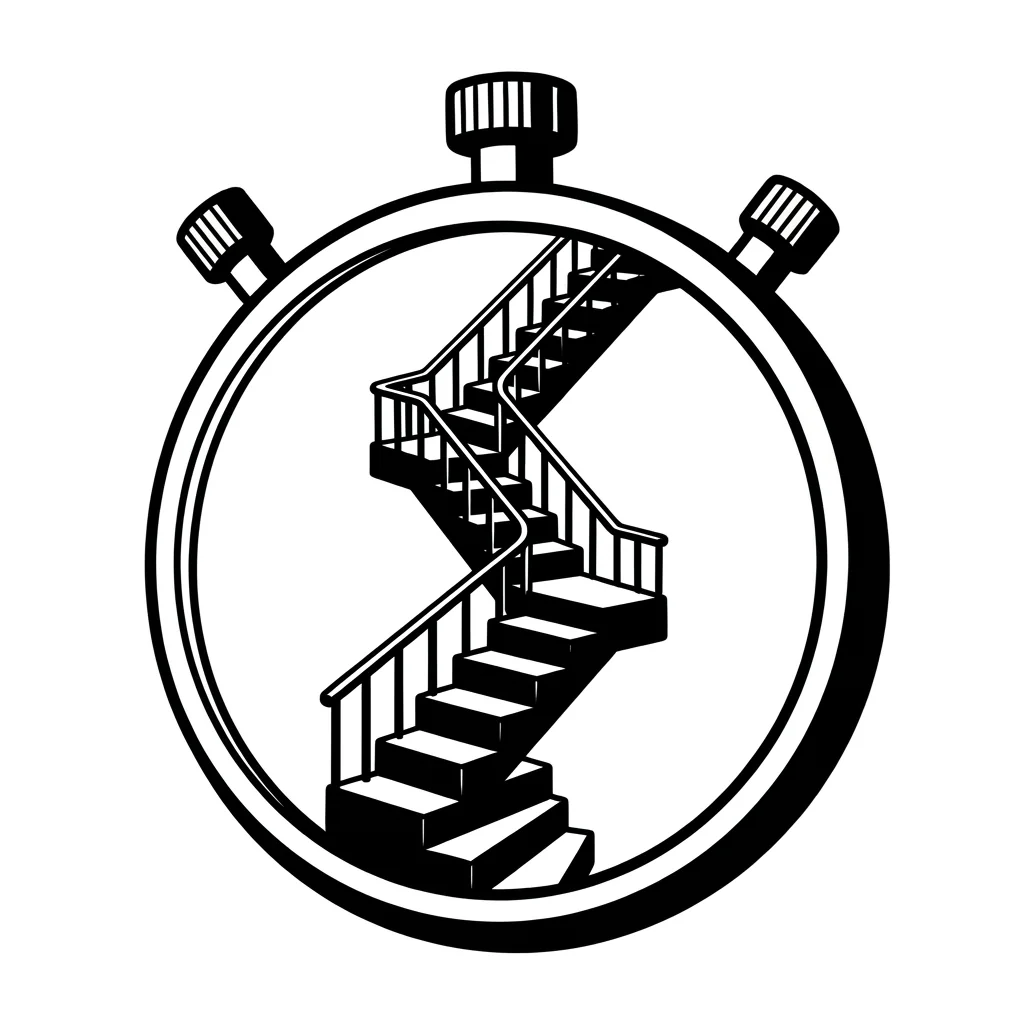
A stopwatch inside which a staircase leads upwards

Decisions in weeks, not quarters.

Every step has scope, cost and metric. The next shareholder meeting needs no new study, just a look at the roadmap.

A loop of arrows leads through a small factory

The plan learns from operations.

What runs in daily business feeds numbers back into the strategy. You adjust course instead of starting over every year.

Where does your roadmap start?

A conversation in which we understand your business, not your tool list. 30 minutes, no obligation.

FAQ.

How long does an AI potential analysis take?

From kickoff to the assessed map typically a few weeks, depending on the size and data situation of the company. In the first conversation we give you an honest estimate for your case.

What does it cost?

That depends on the scope: extent of the analysis, number of areas, depth of the first workflow. In the first conversation we settle the frame and you receive an offer with a clear scope of services. No surprises.

Do we need "better data" first?

Rarely. Usually the data is better than expected, and where it does not hold, that is precisely a result of the analysis: we show which step needs data first and which works already today.

What if AI brings us nothing (yet)?

Then we tell you so. A roadmap that artificially creates projects harms us both; our yardstick is the business case, not the project volume.

Do you also build what you recommend?

Yes, that is the core of our model. Strategy and implementation come from one source: the first workflow of the roadmap goes straight into productive operation with us.