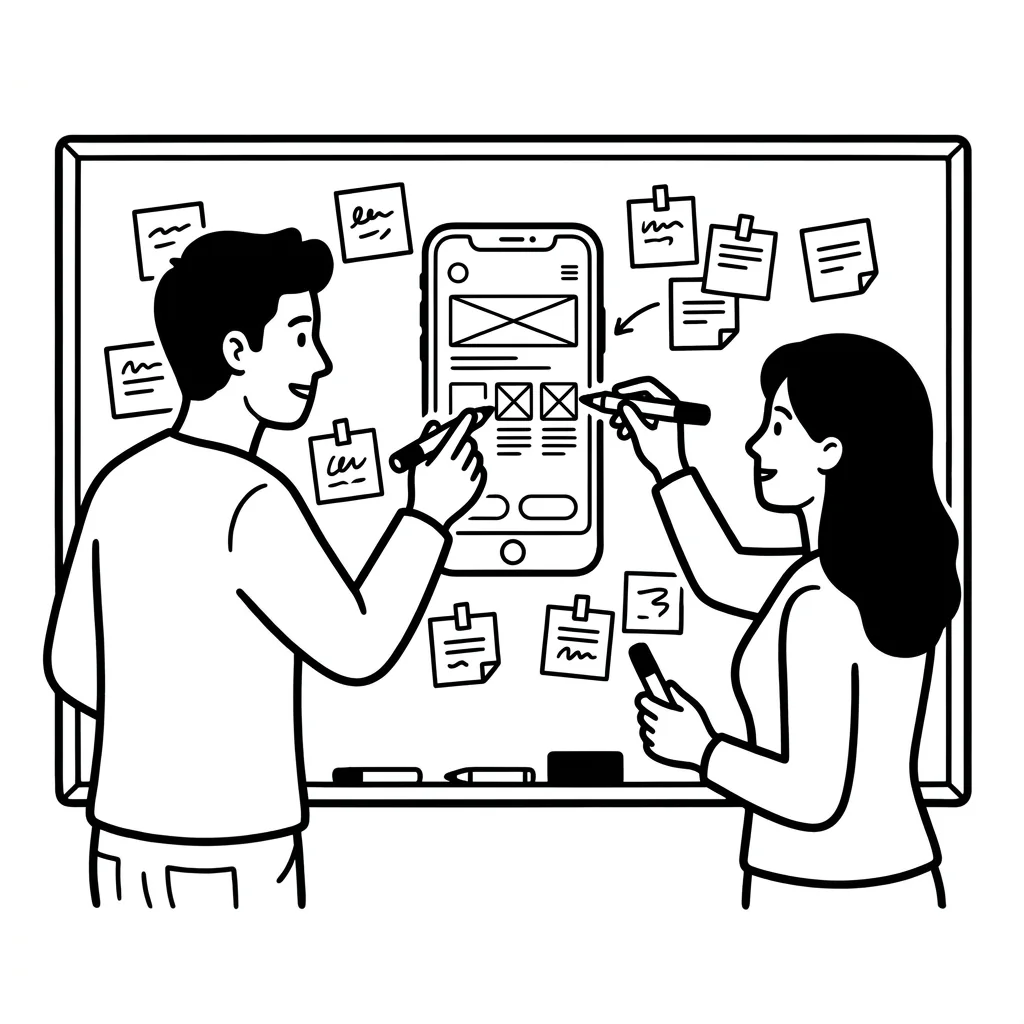
At the end you haveA clickable prototype your users have already operated, and a list of what really gets built.
1 / 3
Users instead of buyers.
We talk to the people who will operate the software every day.
Standard where standard is enough. Custom where it makes the difference: the customer portal that knows your pricing logic, the app for the field service, the interface you cannot buy anywhere. We develop with AI-assisted engineering, automatic tests and a handover after which your team can carry on, without us, if you want.
No software for its own sake. Every project starts with the question of which work disappears afterwards, and ends with it disappearing.
Customer portals with your logic, apps for field service and workshop, configurators for products that need explaining. Built for the people who use them every day, not for the demo.
ERP, shop, logistics, accounting: where data is transferred by hand today, we build the interface, robust, monitored and documented so that someone still understands it in five years.
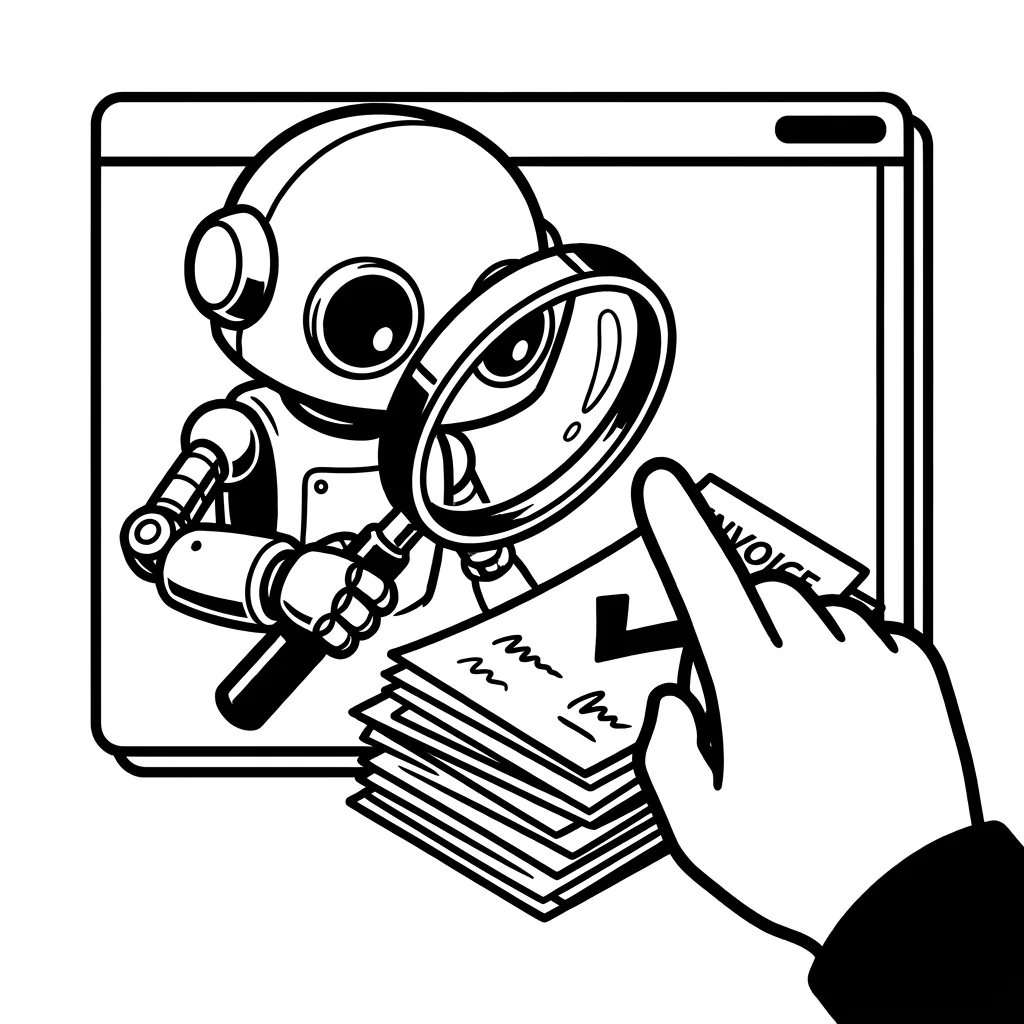
Assistants, suggestions, automation, built into the software you already have. Not a new tool beside it, but a button where the work happens.
From code to operation, every change runs through the same route: automatic tests, review by a second developer, release at the push of a button. That is no luxury for corporations, it is the reason software does not break after the project.
Start the pipeline: This is what a release looks like with us, every day, not just at launch.
01
At the end you haveA clickable prototype your users have already operated, and a list of what really gets built.
02
At the end there runsA usable version every two weeks, with automatic tests and your feedback in the next cycle.
03
At the end you ownThe code, the documentation, the pipeline, and a team that can handle it. Operation by us optional.
At the end you haveA clickable prototype your users have already operated, and a list of what really gets built.
1 / 3
We talk to the people who will operate the software every day.
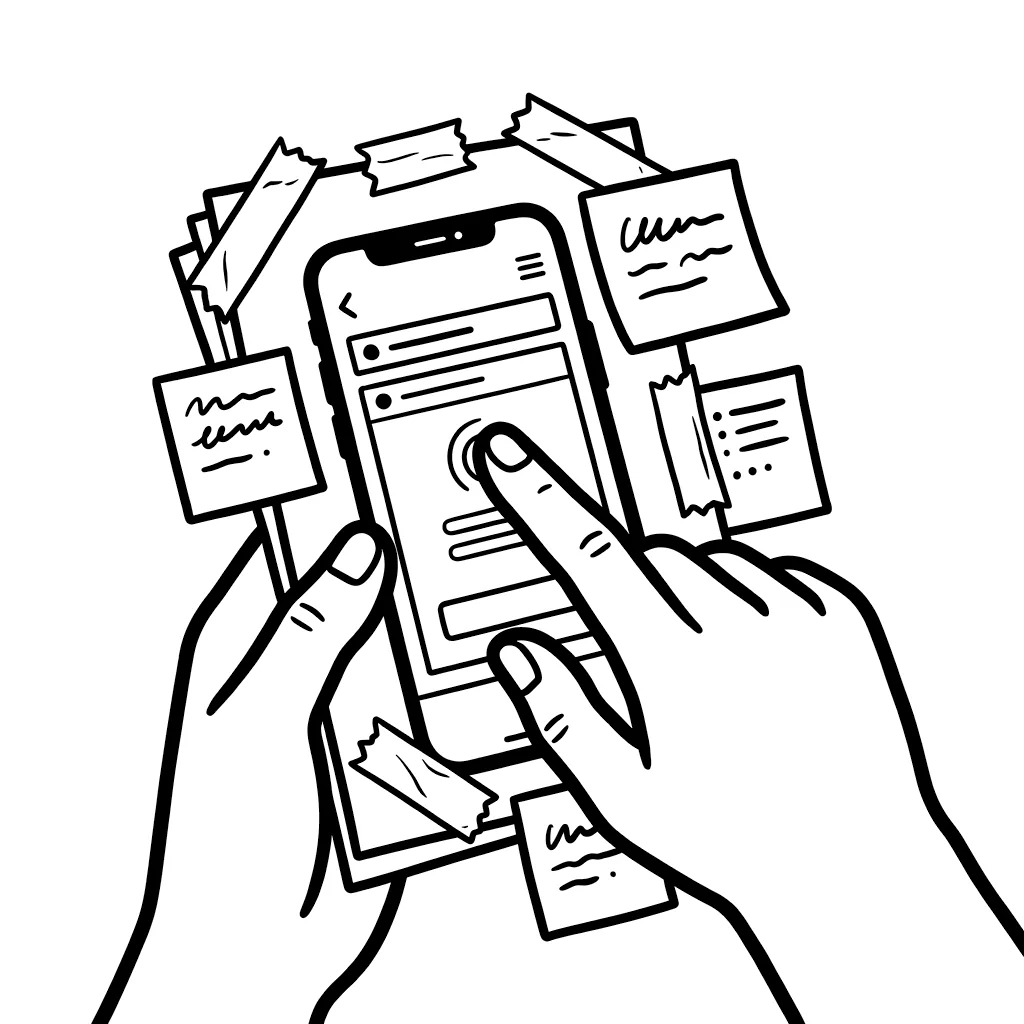
2 / 3
Within days, something clickable; discussions become concrete.

3 / 3
What nobody misses in the prototype does not get built.
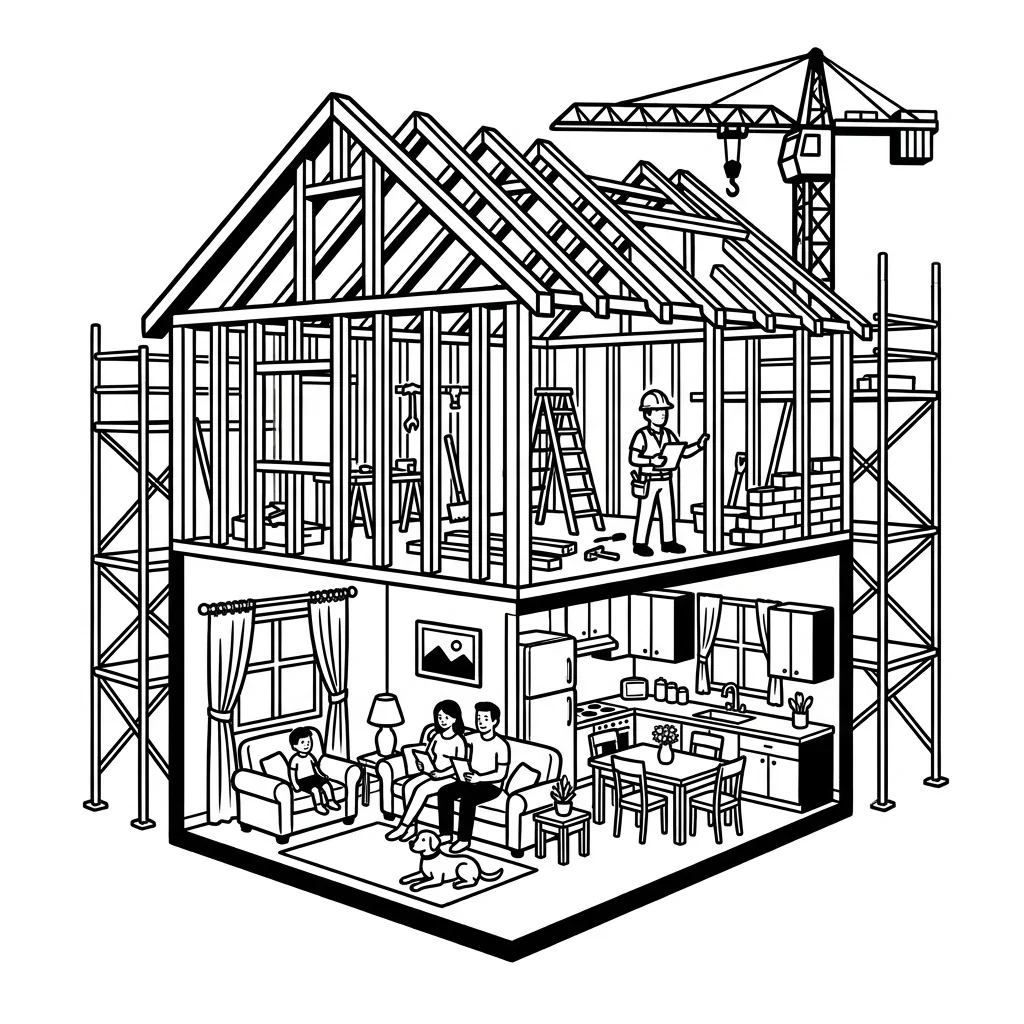
At the end there runsA usable version every two weeks, with automatic tests and your feedback in the next cycle.
1 / 3
Regularly something you can use, not only at the end.
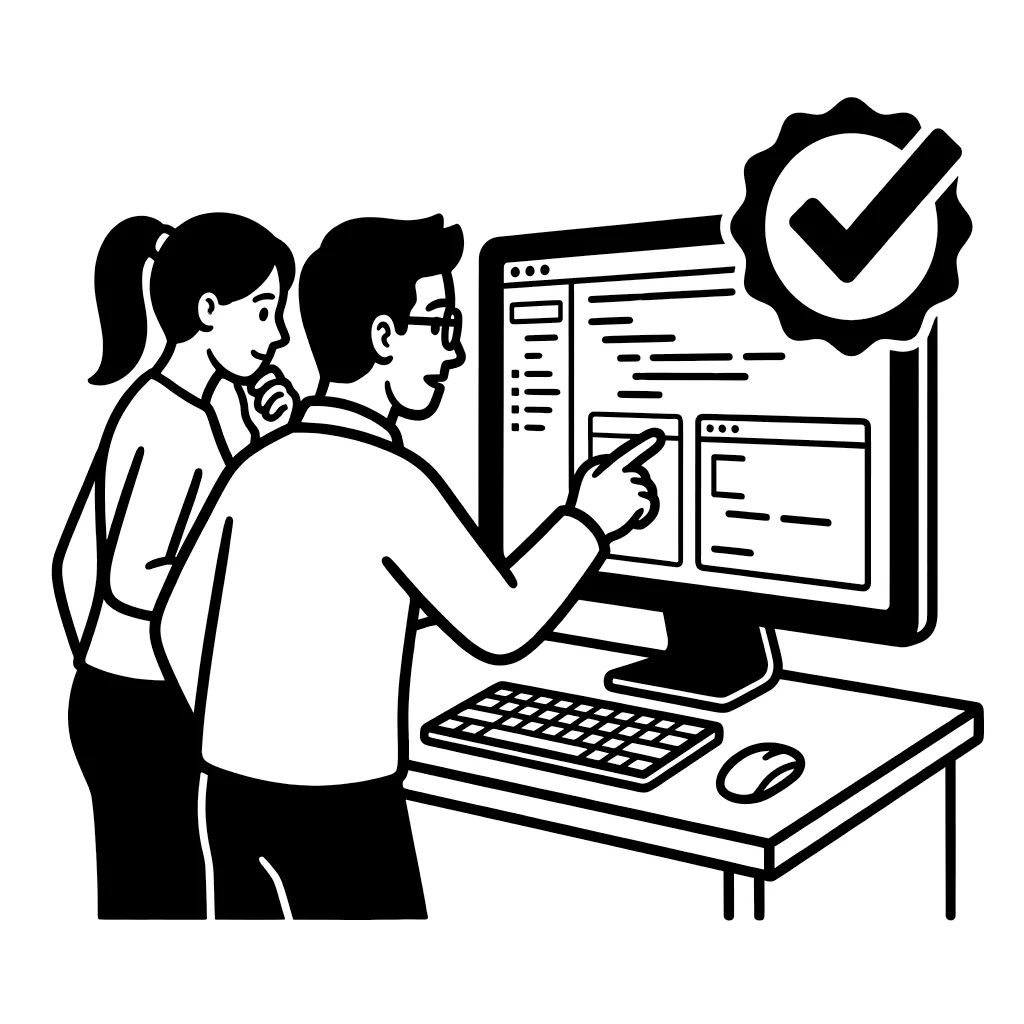
2 / 3
Automatic tests, every change reviewed by a second developer, AI takes the grunt work.
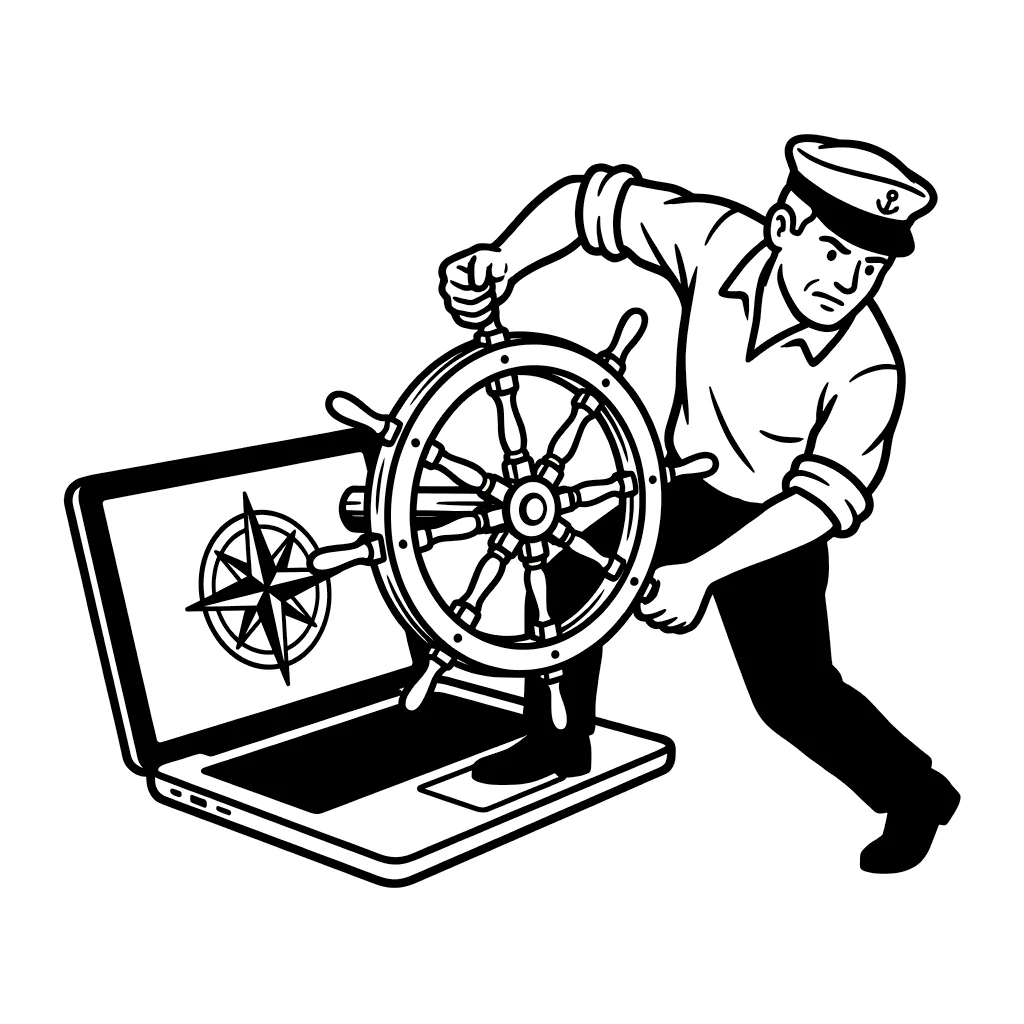
3 / 3
Your feedback lands in the next cycle, before it gets expensive.
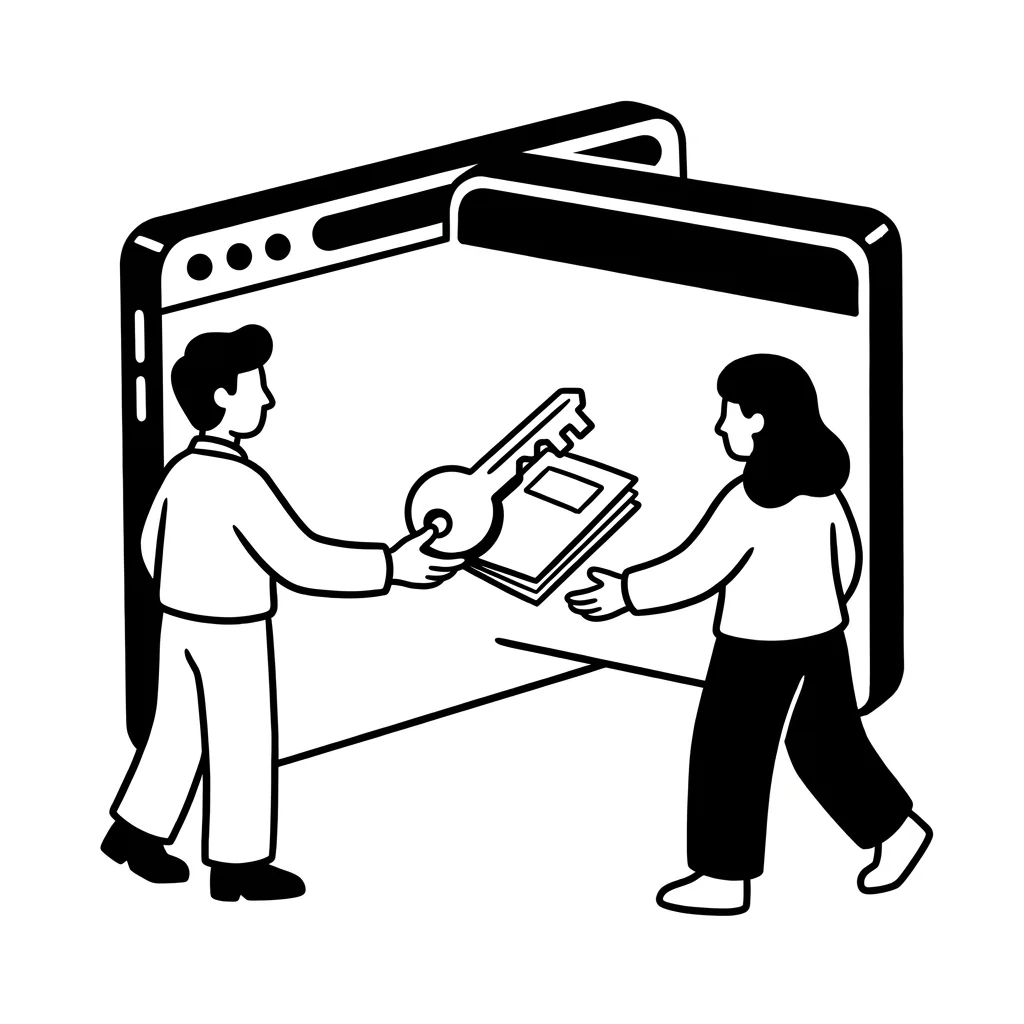
At the end you ownThe code, the documentation, the pipeline, and a team that can handle it. Operation by us optional.
1 / 3
Source code, documentation and pipeline, entirely in your hands.
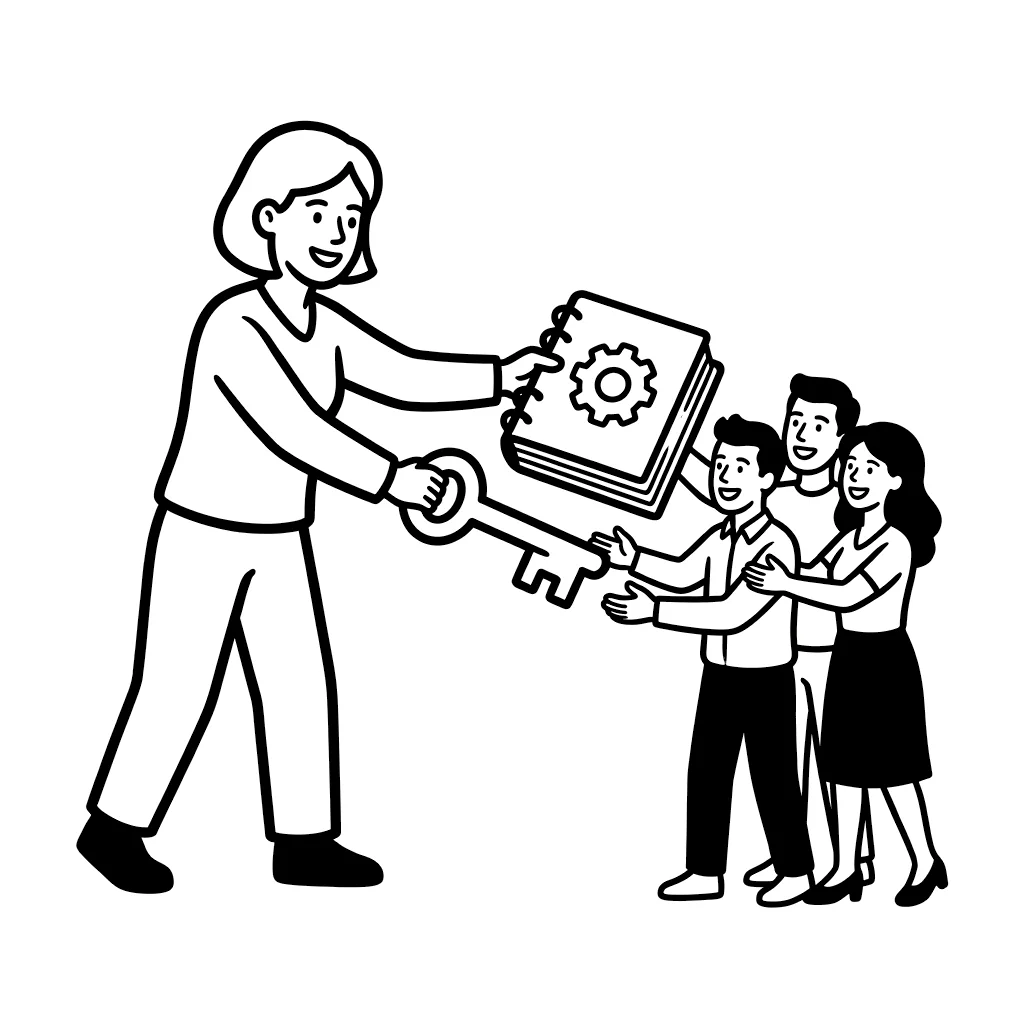
2 / 3
Your people can develop the software further, if they want.
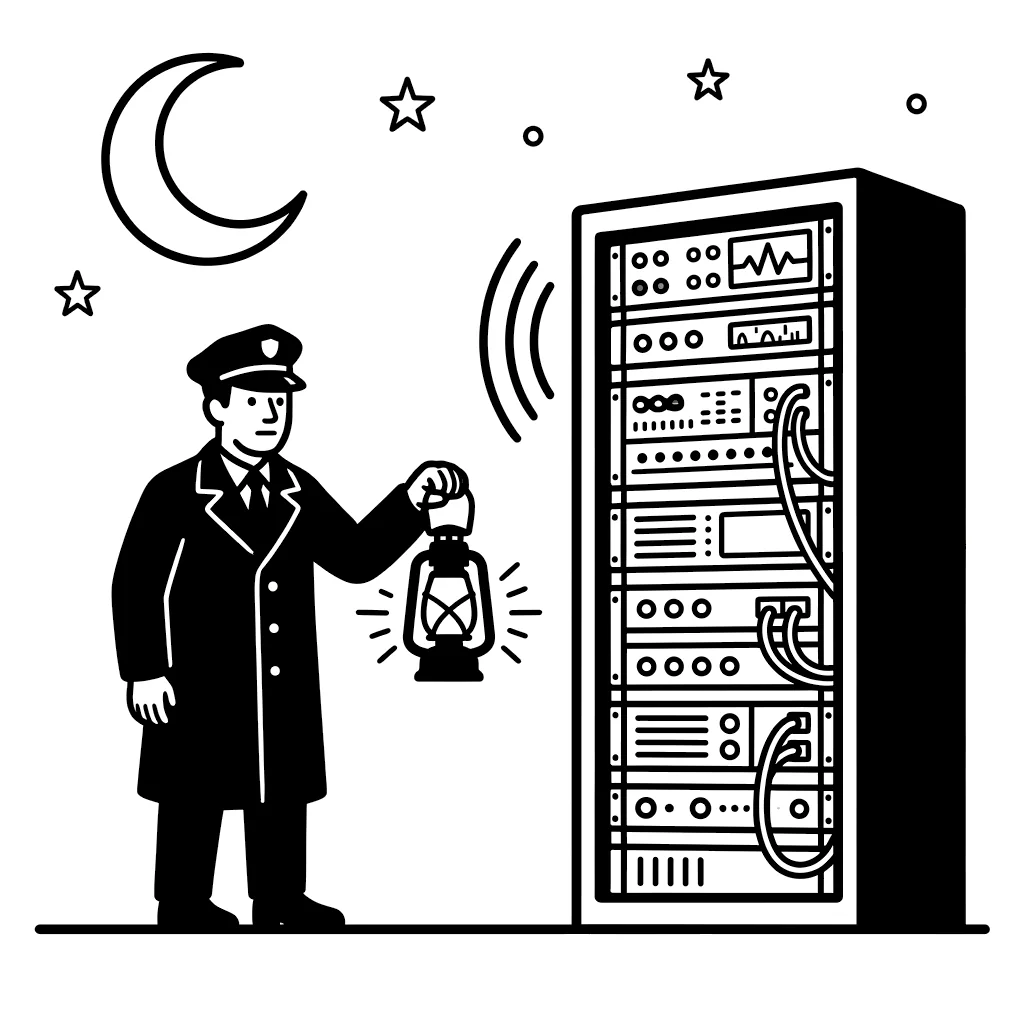
3 / 3
On request we monitor and maintain, with a contact who knows the system.
No licence model, no dependence on us. Source code, documentation and access are with you, from the first stage on. You can carry on with someone else at any time.
Every feature has a test that checks it, automatically, on every change. That is why nothing breaks unnoticed after launch, and extensions stay affordable.
Within days there is a prototype to touch.
Standard if it covers your process, then we integrate it. Custom if exactly this process is your advantage and no off-the-shelf software knows it. In the first conversation we tell you honestly which case applies, and we build nothing that is better bought.
Through stages: every stage has a fixed scope, a result you can use, and a price you know beforehand. After every stage you decide whether to continue. No fixed price for a year nobody can oversee.
You. Source code, documentation, pipeline and access are with you from the start. You can continue internally or commission another provider at any time; that is part of our offer, not a special case.
Automatic tests for every feature, review of every change by a second developer, release only through the pipeline. Plus monitoring in operation, so that we see errors before your users report them.
For what eats time: writing tests, explaining old code, implementing routines, keeping documentation current. The decisions, what gets built, what the architecture looks like, whether something is good enough, are made by people. That is how software gets faster and still better.